


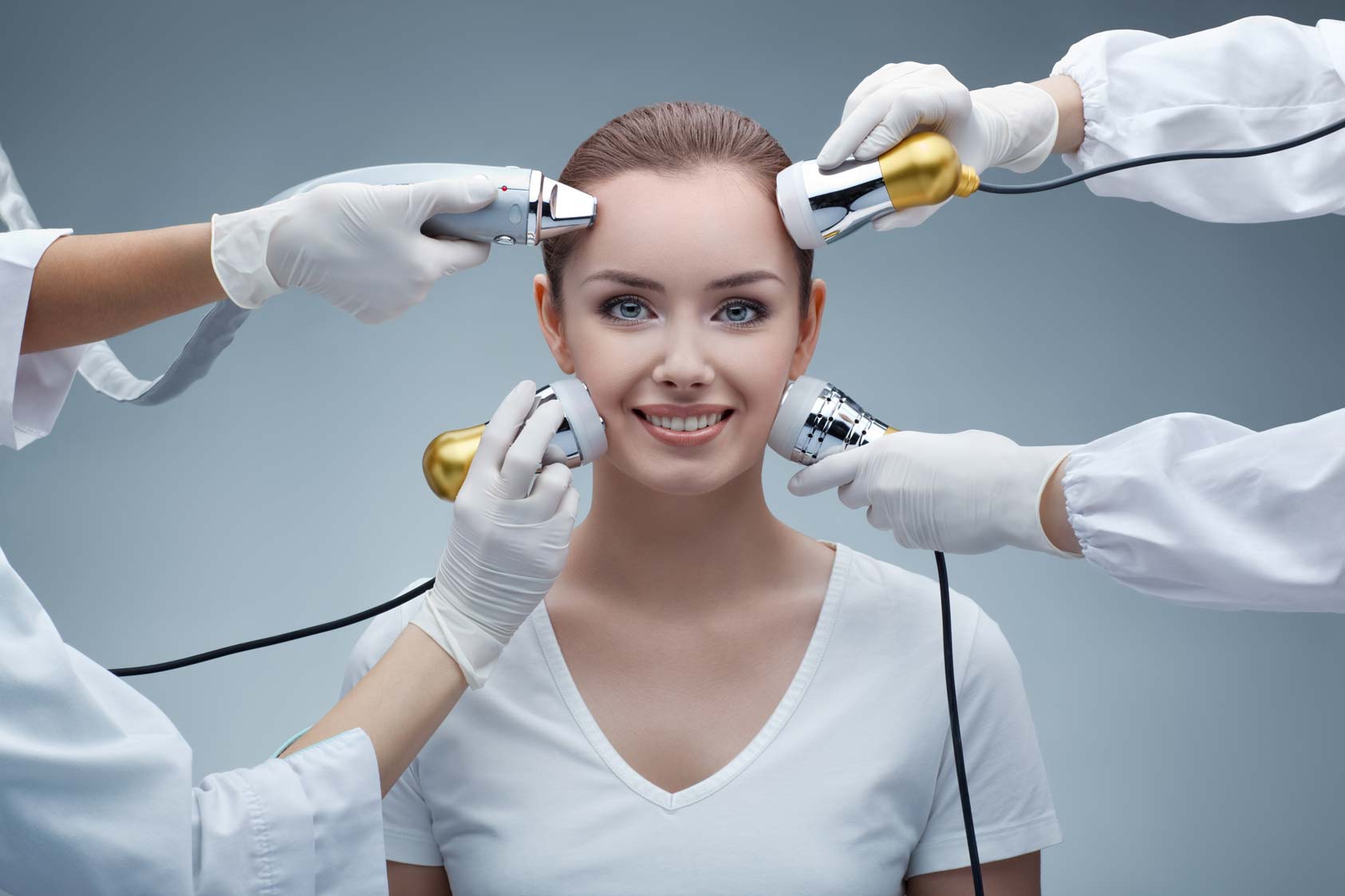

Medical skin care involves the use of skin care treatments and products directed and prescribed by a dermatologist. These treatments and products are used to improve skin health, treat skin problems and keep the skin young and vibrant. Medical skin care requires first a consultation with a dermatologist to better understand your skin. The dermatologist will evaluate your skin type and needs and recommend the treatments and products that are most suitable for you.
The Importance of Medical Skin Care
Our skin is the largest organ of our body and is exposed to many external factors. Sun, air pollution, stress, wrong skin care products and other factors can negatively affect the health of our skin. Medical skin care helps reduce these negative effects and protects your skin. Additionally, medical skin care offers an effective way to treat skin problems and improve skin health. Instead of using only cosmetic products for youth and beauty, you can really improve your skin and have young, healthy skin with medical skin care.
Common Skin Problems and Conditions
Our skin is sensitive to various problems and conditions. Skin problems and conditions such as acne, pimples, wrinkles, blemishes, eczema, rosacea and skin cancer are common. Medical skin care offers a variety of treatments to treat these problems and ensure healthy skin. For example, retinoids and antibiotics may be used to treat acne, botulinum toxin injections may be administered to reduce wrinkles, and laser therapy may be administered to treat blemishes. These treatments can be part of a medical skin care routine guided and monitored by your dermatologist.
Dermatologist Recommended Skin Care Products
Dermatologists are experts in skin care products and can recommend the most suitable products for you. Some common products used in medical skin care include sunscreens, moisturizers, cleansers, antioxidants, and retinoids. Sunscreens are important to protect your skin from the sun's harmful UV rays. Moisturizers keep your skin hydrated and soft. Cleansers cleanse your skin from dirt and makeup residue. Antioxidants neutralize free radicals and keep your skin young and healthy. Retinoids, on the other hand, encourage the regeneration of skin cells and reduce wrinkles.
Creating a Medical Skin Care Routine
It is important to establish a routine for medical skin care. This routine should include steps to cleanse, moisturize, protect and treat your skin. First, clean your skin with a suitable cleanser. Then, moisturize your skin using a moisturizer recommended by your dermatologist. Don't forget to use sunscreen and make sure your skin is protected from the harmful effects of the sun. Finally, target your skin concerns by using treatment products recommended by your dermatologist. Applying this routine regularly will help your skin stay healthy and young.
Healthy Skin Care Tips
Besides medical skin care, there are also some general tips for healthy skin. First, cleanse your skin regularly and be sure to remove makeup before going to sleep. Also, adopt a healthy eating habit and drink plenty of water. Avoid smoking and try to stay away from stress. Pay attention to your sleep patterns and use relaxation techniques to manage stress. These tips, along with your medical skin care, are important for healthy skin.
 Call
Call
 Whatsapp