


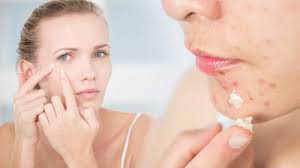

Medications Used in Acne Treatment
Acne is a common skin problem that occurs as a result of blockage and inflammation of the oil glands in the skin. Medications used in acne treatment vary depending on the type of acne, its severity, and the characteristics of the skin. These medications can generally be classified as topical (applied to the skin) or systemic (taken orally).
Topical Treatment Methods
Topical treatment helps kill acne-causing bacteria, reduce inflammation, and balance oil production in the skin. The most commonly used topical medications in acne treatment are:
Benzoyl Peroxide: Benzoyl peroxide is a compound that helps kill acne-causing bacteria. It also prevents acne formation by reducing inflammation in the skin. It is usually used in cream, gel, or lotion form.
Retinoid Creams: Retinoid medications prevent pores from clogging by accelerating the renewal of skin cells. Compounds such as retinol, tretinoin, and adapalene help remove dead skin cells and prevent new acne from forming.
Antibiotic Creams: In the treatment of acne, topical antibiotics reduce inflammation by killing bacteria on the skin. Antibiotics such as clindamycin and erythromycin are often prescribed.
Oral Medications
Oral medications are usually used in more severe cases of acne. These medications have broader effects on the body and help prevent acne from forming.
Antibiotics: Oral antibiotics are used especially in cases of acne where there is inflammation (inflammation) and bacterial infections. Tetracycline group antibiotics (doxycycline, minocycline) are commonly prescribed for acne treatment.
Hormonal Therapy: Hormonal acne usually increases during times of hormonal changes, such as puberty or menstruation. Hormone therapy can be done with birth control pills or anti-androgen medications. These medications help prevent acne by reducing excess oil production.
Isotretinoin (Roaccutane): Isotretinoin, used for very severe and treatment-resistant acne, is a powerful oral medication. This medication prevents acne formation by greatly reducing oil production. However, it can have side effects and should be used under the supervision of a doctor.
Medication Selection and the Role of the Doctor
The choice of medication in acne treatment varies according to skin type and the severity of acne. While topical treatment may be sufficient for some people, oral medications may be necessary in some cases. It is very important to follow your doctor's recommendations throughout the treatment process. In addition, since the medications used may have side effects, it is necessary to consult your doctor before starting treatment.
In Conclusion
Medications used for acne treatment are very important to ensure an effective treatment process. However, every skin is different and not every medication has the same effect on everyone. Therefore, getting professional advice from a dermatologist before starting treatment will ensure that the treatment is more successful and safe.
 Call
Call
 Whatsapp