



Melanoma is a type of cancer that arises from the pigment cells of the skin. These cells produce the pigment melanin, which gives the skin its color. Melanoma cancerous moles are formed as a result of the uncontrolled growth of these cells called melanocytes. This type of cancer can spread and become life-threatening if not diagnosed and treated early.
Understanding the Different Types of Self
Many people have different types of moles on their skin. These moles are usually harmless and differ from melanoma cancerous moles. Moles can usually be flat or raised and come in a variety of colors. While some moles are congenital, others may appear with age. However, some moles can be a sign of melanoma cancer.
What is a Cancerous Mole?
A cancerous mole is a tumor that forms as a result of the uncontrolled growth and spread of melanocytes. These moles usually have an asymmetric shape and irregular edges. They may also vary in color and grow over time. Other symptoms of a cancerous mole may include bleeding, itching, crusting, and pain.
The Importance of Early Diagnosis
Early diagnosis of melanoma cancerous moles is vital. When diagnosed at an early stage, treatment options can be more effective and the risk of spread is reduced. Therefore, it is important to carefully monitor any changes in the skin and immediately consult a specialist if a cancerous mole is suspected.
How Do I Identify a Cancerous Mole?
You can use the ABCDE rule to identify a cancerous mole:
• Asymmetry: The two halves of the mole should be symmetrical. If a mole is asymmetrical, it is likely to be cancerous.
• Border: If the edges of the mole are irregular and unclear, the possibility of it being cancerous increases.
• Color: Mole colors may be in different shades or change over time.
• Diameter: A cancerous mole can usually be larger than 6 mm.
• Evolution: The growth or change of a mole over time is an important symptom.
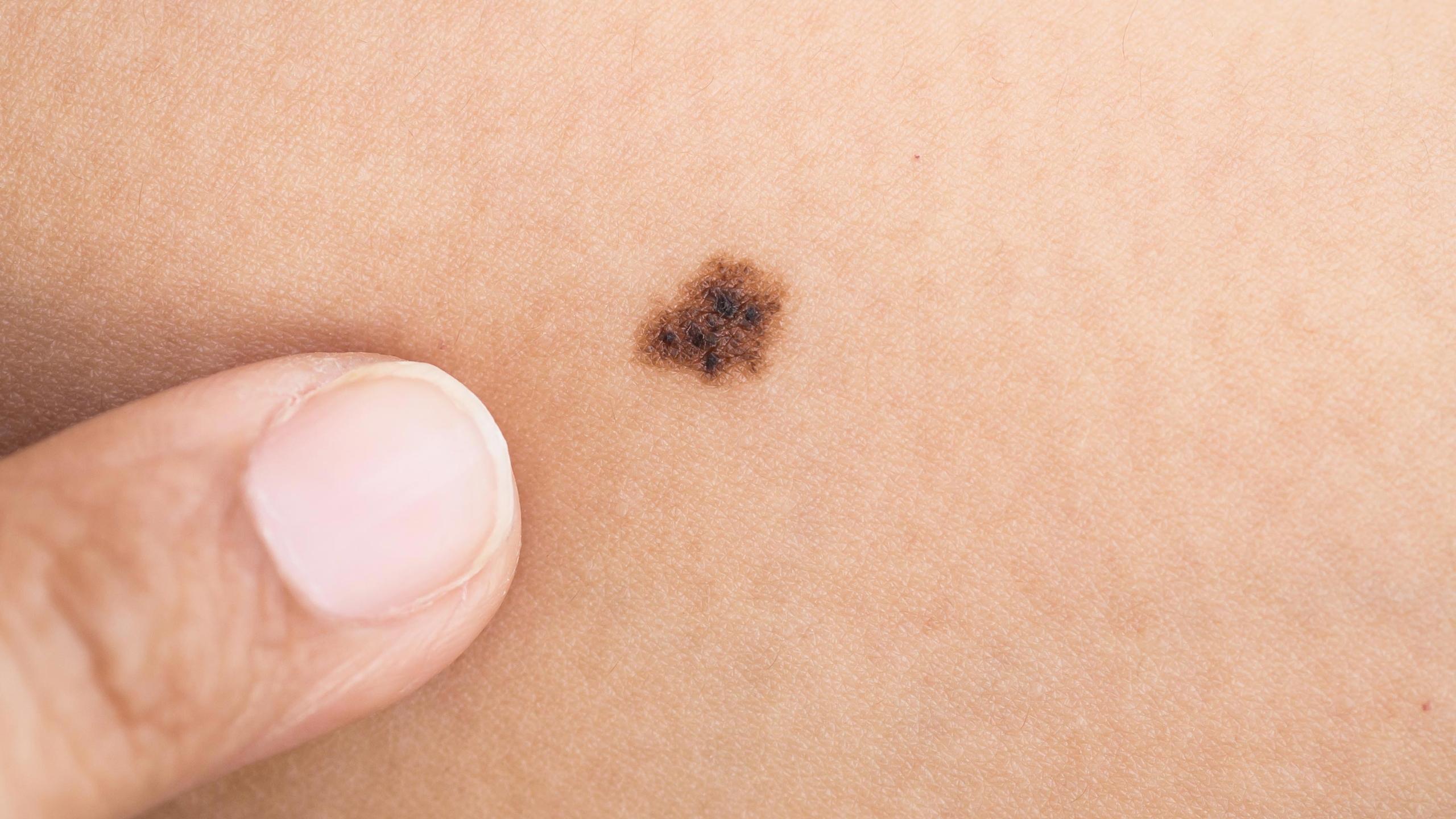
Images of Melanoma Cancerous Moles - A Visual Guide
Images of melanoma cancerous moles can be helpful in the diagnostic process. Below you can view photos of moles with melanoma cancer in different stages:
• Early Stage Melanoma: These moles usually have a flat or raised structure. Their colors are usually brown or black. The edges may be irregular and unclear.
• Advanced Stage Melanoma: Moles in this stage may generally be larger and puffier. Their colors may also vary and they may grow over time. The edges are irregular and unclear.
Other Symptoms of Melanoma
Besides a cancerous mole, there may be other symptoms of melanoma. These may include:
• Skin spots: Brown or black spots on the skin.
• Bleeding: Bleeding or crusting on the mole.
• Itching or Pain: Constant feeling of itching or pain around the mole.
Steps to Take in Case of Suspicion of a Cancerous Mole
If you suspect a mole is cancerous, you can follow these steps:
1. Get an Expert's Opinion: Consult a dermatologist or skin cancer specialist immediately. The specialist will examine me and perform the necessary tests.
2. Get a Biopsy: The specialist can take a sample of the suspicious mole and perform a biopsy. This is done to confirm the diagnosis of cancer.
3. Research Treatment Options: If you are diagnosed with a cancerous mole, your specialist will offer you appropriate treatment options. These treatments may include surgery, radiation therapy, and immunotherapy.
Melanoma cancerous mole images
Free Information,
Consultation and Appointment Request
 Call
Call
 Whatsapp