


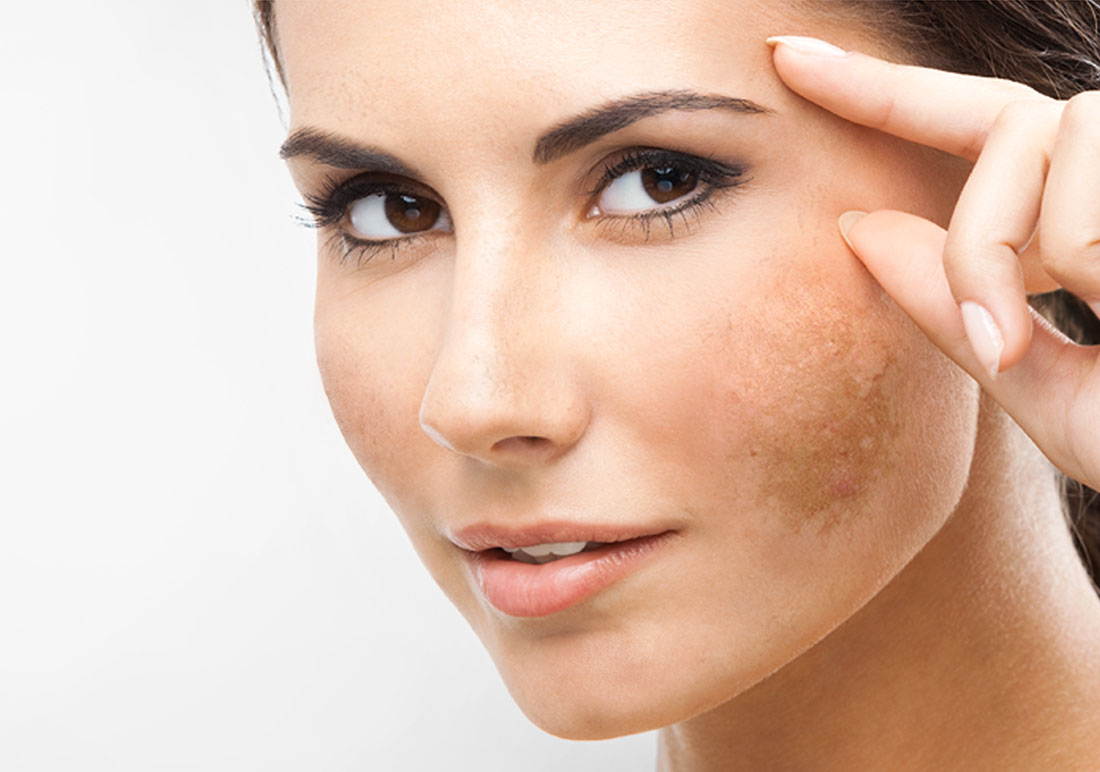

The exact cause of melasma is not fully known, but some factors are thought to play a role in melasma formation. These factors include hormonal factors such as sunlight exposure, hormone changes, pregnancy, birth control pills, or hormone treatments. In addition, genetic predisposition may also be effective in the emergence of melasma.
Risk factors for melasma include skin color. People with darker skin may be more prone to melasma. The risk may also be higher in people with a family history of melasma.
Melasma Symptoms and Signs
Melasma usually appears as brown or gray patches. These spots usually appear symmetrically in certain areas of the face. The most commonly affected areas are the forehead, cheeks, upper lip and chin. Stains often have irregular shapes and varying sizes.
Symptoms of melasma include skin color changes, the appearance of brown or gray spots, uneven skin pigmentation, and darkening of spots after exposure to sunlight.
Melasma Diagnosis
Melasma is usually diagnosed by a dermatologist. Your doctor can diagnose melasma by examining your skin and evaluating the symptoms. Additionally, sometimes additional tests such as a skin biopsy or Wood's lamp test may be used.
Once you are diagnosed with melasma, your doctor will recommend appropriate treatment options.
Melasma Treatment Options
Melasma treatment includes treatments aimed at reducing the appearance of blemishes on the skin. Treatment options include topical creams, medications, procedures, and natural treatments that can be applied at home. Treatment options are generally determined according to the severity of the spots, skin type and the patient's preferences.
Topical Creams and Medications for Melasma
There are topical creams and medications frequently used in the treatment of melasma. These products often help reduce skin pigmentation. For example, creams containing active ingredients such as hydroquinone, retinoids, and corticosteroids may be effective in reducing the appearance of melasma.
At the same time, moisturizing creams can also be used to relieve skin irritation caused by melasma and strengthen the skin barrier.
Procedures and Treatments for Melasma
Procedures and treatments can also be effective in treating melasma. For example, methods such as chemical peels, microdermabrasion, and laser therapy can help reduce the appearance of blemishes on the skin. These procedures gently peel off the top layer of skin, allowing new, healthier skin cells to emerge.
Additionally, skin microneedling devices such as derma rollers and energy-based devices such as IPL (intense pulsed light) can also be used in the treatment of melasma.
Natural Treatments for Melasma That Can Be Applied at Home
Natural treatments that can be applied at home can also be effective in treating melasma. For example, natural ingredients such as lemon juice, apple cider vinegar, aloe vera gel, and papaya may be helpful in reducing the appearance of melasma. However, the effectiveness of natural treatments may vary from person to person and does not guarantee the same results for everyone.
Melasma Prevention and Lifestyle Changes
It is important to make some lifestyle changes to prevent melasma or keep it from recurring. For example, limiting sun exposure, using sunscreen products, and wearing wide-brimmed hats and sunglasses can help prevent melasma. Additionally, avoiding hormonal birth control methods and avoiding cosmetic products that irritate the skin may also reduce the risk of melasma.
 Call
Call
 Whatsapp