


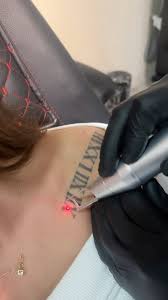

Minimal Tattoo Removal: Small Scars, Big Decisions
Minimal tattoos have become quite popular in recent years. These tattoos, made with elegant lines, small symbols or fine writings, stand out with both their aesthetic stance and simple meanings. However, over time, even the smallest tattoos may not suit the person's lifestyle, aesthetic perception or emotional state. The question that comes to mind at this point is: How to remove a minimal tattoo? Even if it is a small tattoo, the removal process should be planned seriously and applied carefully.
What Does Minimal Tattoo Mean?
Minimal tattoos are usually tattoos made in small sizes, with thin lines and little pigment. They are frequently seen in areas such as the wrist, nape, fingers and behind the ear. Although it is thought that they are easier to remove because they cover less space, how the tattoo is made directly affects this process.
While some minimal tattoos may be superficial, some may contain quite dense ink or may be applied deeply. This should be taken into consideration when determining the removal plan.
Is a Small Tattoo Easy to Remove?
In general, yes, minimal tattoos can be removed more easily. Because:
The application area is small
The session time is short
The skin gets less tired
The amount of pigment is usually less
However, whether the tattoo is black or colored, how long ago it was made and the technique with which it was applied also affect the success of the result.
Minimal Tattoo Removal with Laser
The most reliable method for minimal tattoo removal is laser application. Especially Q-switched or picosecond lasers are quite effective in small tattoos. These lasers target the tattoo pigment and break it into microscopic particles. These particles are naturally cleaned by the body.
In most cases, 2 to 5 sessions are sufficient for minimal tattoos. 4 to 6 weeks are waited between each session. During this period, the skin heals and some of the pigment is removed by the lymphatic system.
The Area Where It Is Also Important
The area where the tattoo is located can affect the removal process. For example, it may take longer for the pigment to be removed from the body in areas with less blood circulation, such as the finger. On the other hand, a faster response may be obtained in areas with good circulation, such as the arm or shoulder.
In addition, laser application should be done carefully in areas with thin skin structure, and excessive energy should not be applied. In this way, the risk of leaving a mark on the skin is reduced.
Post-Procedure Care is Small but Important
The tattoo may be small, but the importance of post-procedure care is great. Since the skin surface will be sensitive, the area should be kept clean, the creams recommended by the doctor should be used regularly and it should not be exposed to direct sunlight. If there is a crust, it should definitely not be picked, the skin should heal in its own natural process.
The use of sunscreen (at least SPF 50) should not be neglected for a few months after the procedure. This both prevents color change and protects skin health.
Minimal Tattoo, Minimal Risk
The risk of leaving a permanent mark is quite low in minimal tattoo removal procedures performed with the right laser device, appropriate dose and an experienced practitioner. However, it should not be forgotten that this procedure is also a medical procedure, and beauty salons or unlicensed places should be avoided.
Conclusion
Minimal tattoos may be small, but the decision to remove them is often a meaningful and personal step. Fortunately, thanks to developing laser technologies, these tattoos can be removed safely, quickly and without leaving a mark. The important thing is to plan this process with an expert and always keep skin health at the forefront.
Remember, even a small wipe can be a big change for your skin. It is up to you to manage this change healthily and correctly.
 Call
Call
 Whatsapp