


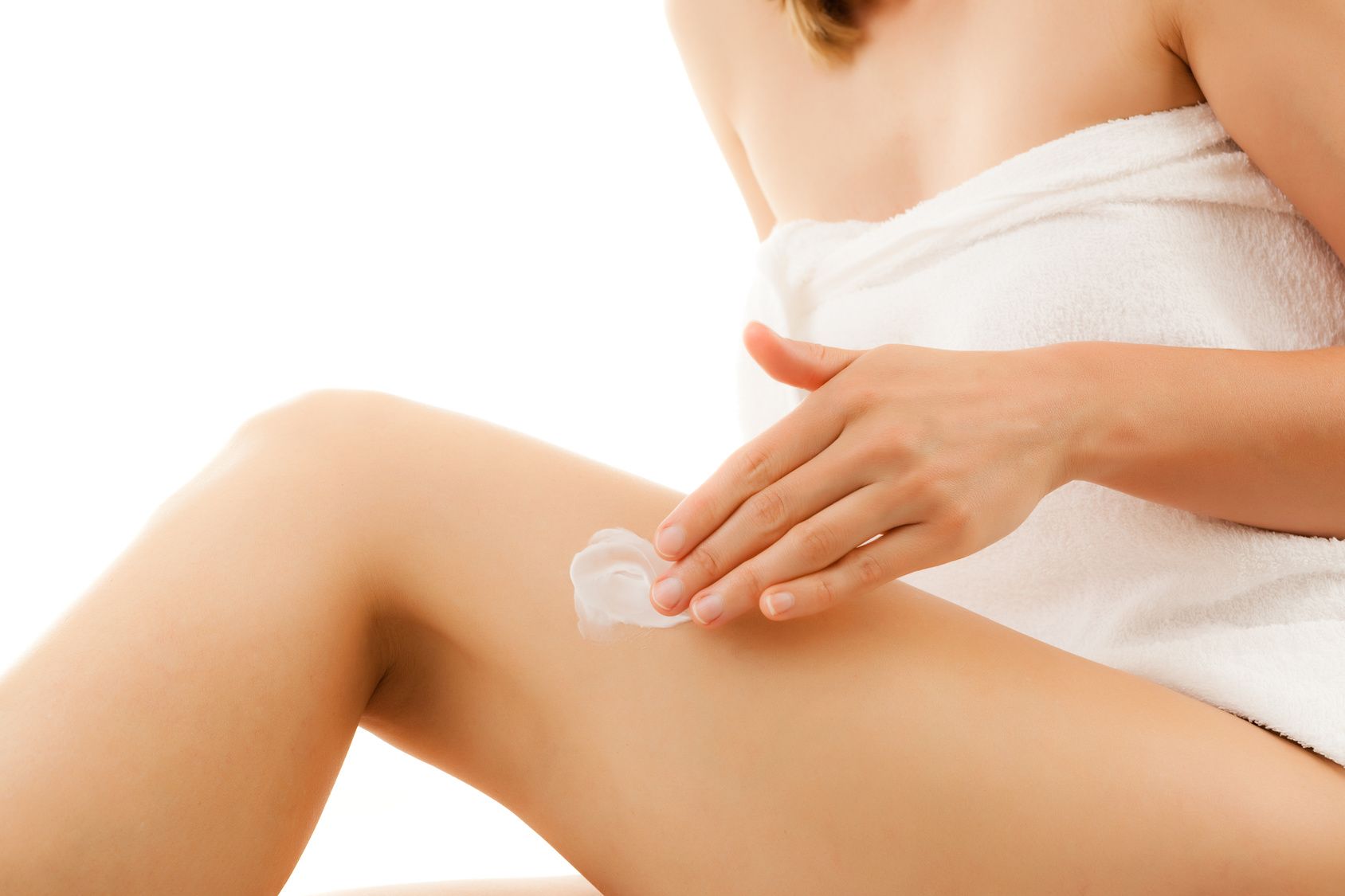

When choosing moisturizers recommended by doctors, it is important to understand your skin type. Everyone's skin is different and each skin type has different needs. In general, skin types can be classified as dry, oily and sensitive.
Dry Skin: Dry skin often has problems such as flaking, itching and sensitivity caused by lack of moisture. When choosing a moisturizer for this skin type, products with intense moisturizing properties should be preferred.
Oily Skin: Oily skin often has problems such as shine, large pores and acne. Light, oil-free moisturizers should be preferred for this skin type. At the same time, it is important that moisturizers have properties that help balance oil production in the skin.
Sensitive Skin: Sensitive skin is skin types that can easily become irritated and red. For this skin type, doctors often recommend moisturizers that are natural and hypoallergenic, free of perfumes and alcohol.
Things to Look for in Moisturizers Recommended by Doctors
There are some features you should consider when choosing moisturizers recommended by doctors.
Suitability for Skin Type: First, you should choose a moisturizer suitable for your skin type. It is important to choose products suitable for the dry, oily and sensitive skin types mentioned above.
Content: The composition of the moisturizer is also important. Doctors often recommend that moisturizers contain moisturizing and nourishing ingredients such as hyaluronic acid, glycerin and natural oils. At the same time, it is important that it does not contain perfume and alcohol.
SPF Protection: It is important that the moisturizer contains SPF protection to protect against the sun's harmful UV rays. Doctors generally recommend at least SPF 30 protection in daily moisturizers.
The Best Doctor Recommendations for Dry Skin Moisturizers
Moisturizers recommended by doctors for dry skin include:
CeraVe Moisturizing Cream: Containing hyaluronic acid and glycerin, this moisturizer provides deep hydration and softens the skin.
La Roche-Posay Toleriane Riche Moisturizing Cream: This moisturizer soothes and moisturizes dry and sensitive skin with its formula containing thermal water and glycerin.
Avène Cicalfate Moisturizing Cream: This moisturizer contains thermal water to repair and improve the skin barrier and mineral oil that creates a water-resistant barrier.
Best Doctor Recommended Moisturizers for Oily Skin
Moisturizers recommended by doctors for oily skin include:
Neutrogena Oil-Free Moisturizer: This lightweight, oil-free moisturizer helps prevent oily shine while hydrating skin.
Clinique Dramatically Different Moisturizing Gel: This gel formula maintains the skin's moisture balance and does not leave an oily feeling.
Bioderma Sebium Hydra Moisturizer: This moisturizer moisturizes oily skin while also helping regulate sebum production.
Best Doctor Recommended Moisturizers for Sensitive Skin
Moisturizers recommended by doctors for sensitive skin include:
Cetaphil Gentle Skin Moisturizing Cream: This hypoallergenic and fragrance-free moisturizer reduces the risk of irritation while moisturizing sensitive skin.
Avene Tolérance Extrême Emulsion Moisturizer: This moisturizer is formulated with minimal ingredients and soothes and hydrates sensitive skin.
La Roche-Posay Toleriane Sensitive Riche Moisturizer: This moisturizer soothes, hydrates sensitive skin and strengthens the skin barrier.
Tips for Applying Moisturizer Properly
Applying your moisturizer correctly is important for maximum effectiveness. Here are some tips to help you apply moisturizer correctly:
Cleanse Your Skin: Cleanse your skin before applying moisturizer. This allows the moisturizer to penetrate your skin better.
Use a Small Amount: Using too much moisturizer can make your skin oily. It is sufficient to use a chickpea-sized amount.
Massage: Make light massage movements while applying the moisturizer to your skin. This allows the product to penetrate your skin better and increases blood circulation.
 Call
Call
 Whatsapp