


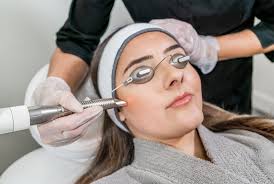

Tattoo Removal with Nd:YAG Laser: A Safe and Effective Method
Tattoo removal procedures have reached a very advanced point in terms of aesthetics and medicine today. Thanks to the advancement of laser technologies, getting rid of tattoos has become more effective, safer and skin-friendly. One of the most frequently used systems in this field is Nd:YAG laser technology. So, what is Nd:YAG laser, how does it work and why is it so preferred for tattoo removal? Let's take a closer look at the answers to these questions.
What is Nd:YAG Laser?
Nd:YAG laser is a powerful laser system used in medical fields, produced from a special crystal structure called "Neodymium Yttrium Aluminum Garnet". It is one of the most frequently used lasers in aesthetic dermatology and has many different application areas such as skin rejuvenation, stain treatment and vascular problems in addition to tattoo removal.
Nd:YAG lasers used in tattoo removal generally operate at two different wavelengths: 1064 nm (nanometer) and 532 nm. These wavelengths can target tattoo pigments of different colors and break them down effectively.
How Does It Work in Tattoo Removal?
The Nd:YAG laser targets tattoo pigments with light energy. The laser pulse heats the pigment, creating a sudden wave of energy that breaks the pigment into microscopic pieces. These small pieces are then naturally cleaned by the body's immune system.
The 1064 nm wavelength is especially effective on black and dark colored tattoos. The 532 nm wavelength is used to target light colored tattoos such as red, orange and yellow.
What are its advantages?
There are some important reasons why the Nd:YAG laser is frequently preferred in tattoo removal procedures:
Skin Friendly: The risk of leaving stains on the skin is lower, especially in dark skin types.
Deep Effect: It can reach the dermis layer where the pigment is located.
Effective in Different Colors: Both dark and light colored tattoos can be treated with different heads and wavelengths.
Low Risk of Scarring: When applied with the right dose and the right technique, the probability of leaving a permanent scar on the skin is quite low.
What is the Application Process?
Before the Nd:YAG laser tattoo removal process, the structure of the tattoo is evaluated. The age, color, depth and location of the tattoo are analyzed. The skin is cleaned before the procedure and, if necessary, a local anesthetic cream is applied to the area.
There may be a slight stinging, burning or "tire bump" feeling during the laser application. However, this feeling is usually short-lived and tolerable.
The session duration varies depending on the size of the tattoo, but is usually completed between 5 and 15 minutes. This period is even shorter for minimal tattoos.
How Many Sessions Are Required?
Each tattoo is different and the removal process may vary from person to person. Usually, 4 to 10 sessions are required. Approximately 4-8 weeks are waited between sessions to allow the skin to heal. This period is very important for the body to remove the pigment and for the skin tissue to repair itself.
Things to Consider After the Procedure
There may be redness, slight crusting or sensitivity on the skin after Nd:YAG laser application. This is a temporary condition and usually resolves within a few days. During this process, basic care rules such as:
Protecting from the sun
Using moisturizing and repairing creams
Not picking crusts
Keeping the procedure area clean
should be followed. Using sunscreen is especially important to prevent stain formation.
Conclusion
Nd:YAG laser technology is a reliable and effective solution for removing permanent tattoos. When done with the right planning, appropriate dosage and an expert practitioner, it is possible to achieve successful results without damaging the skin.
The most important point to remember is this: Tattoo removal is a personalized treatment and requires patience. However, with a conscious approach and the right method, it is possible to get rid of unwanted tattoos without leaving a scar.
 Call
Call
 Whatsapp