


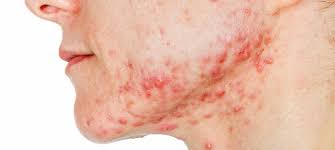

Why is Acne Common in the Neck Area?
The neck area is an area prone to acne formation because it is in contact with both the face and body skin. Pores can become clogged more easily due to reasons such as sweating, contact with hair products, and friction from shirt collars. In addition, internal factors such as hormonal changes and stress can also trigger neck acne. Acne-like lesions are more common in individuals who shave, especially in individuals who shave, due to inflammation of the hair follicles.
The Importance of Skin Cleansing and Daily Care
The neck area is generally not given as much attention as the face. However, not cleaning this area regularly can cause the oil and dirt accumulated in the skin to clog the pores. It is important to wash the neck area with gentle cleansers daily and to remove sweat and makeup residues from the skin, especially before going to bed at night. It should be ensured that products such as hair conditioner and shampoo are completely cleaned from the skin.
Common Habits That Trigger Neck Acne
Spraying products such as perfume or cologne directly on the neck skin can cause irritation in some individuals and cause acne formation. In addition, wearing sweaty clothes for a long time on the neck area makes it easier for bacteria to multiply. Synthetic fabrics can also prevent the skin from breathing and increase acne. If possible, cotton, breathable fabrics should be preferred.
Notable in Ekşi Sözlük Comments
There are some frequently repeated suggestions in user experiences shared on Ekşi Sözlük about neck acne. While users state that creams containing zinc and antibacterial soaps are effective; some emphasize that changing the diet reduces acne. It is frequently stated that dairy products and excessive sugar consumption should be reduced. However, it should not be forgotten that each individual's skin structure is different and experiential information does not replace a doctor's opinion.
Treatment Options and Dermatological Approaches
If acne in the neck area does not go away for a long time and is widespread, it should definitely be evaluated by a dermatologist. Antibiotic creams, products containing retinoids or local treatments may be appropriate for inflamed and painful acne. Professional applications such as laser and chemical peeling also offer an effective solution in some cases. Treatment should be planned specifically for the individual and should be shaped according to skin type and severity of acne.
Conclusion
Neck acne should not be taken lightly. Reviewing skin care habits, using the right products and getting professional help when necessary are effective in combating acne. With a conscious approach, it is possible to both prevent acne and prevent scarring.
 Call
Call
 Whatsapp