


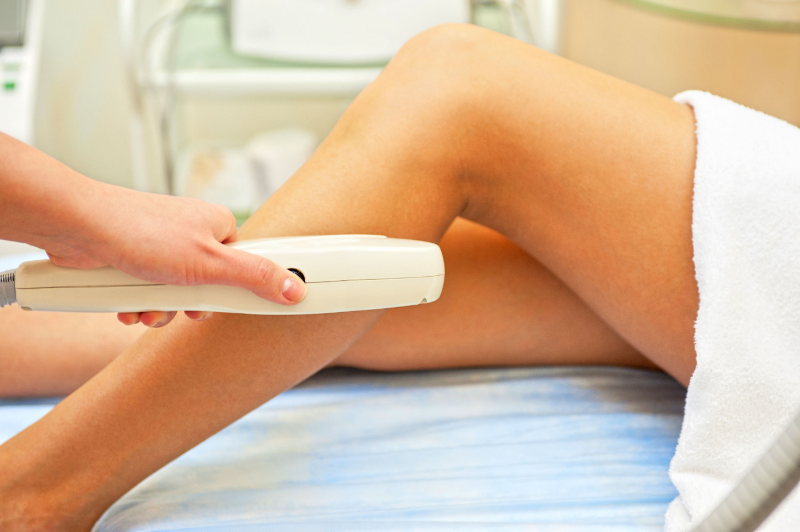

Needle epilation is a method aimed at permanently reducing unwanted hair. This technique involves delivering electrical current to hair follicles using a fine probe. The probe reaches the follicle and damages it, helping to prevent regrowth.
This type of hair removal is especially popular among individuals seeking long-term results. Its suitability for all skin types and effectiveness even on fine hair are among its greatest advantages. However, the process requires patience, as each follicle is treated individually.
The duration of treatment depends on hair density and skin type. Therefore, it is important to receive a personalized plan from a specialist. A professional approach throughout the process helps achieve the best results.
Advantages of Needle Epilation
One of the most notable advantages of needle epilation is that it can be safely applied even to sensitive areas. Effective results can be achieved on areas such as the face and underarms. It is also successful on fine and light-colored hair.
Another advantage is its potential to provide long-lasting results. Since hair follicles are directly targeted, hair growth may significantly decrease over time. However, results may vary between individuals and should be evaluated under professional guidance.
Compared to methods like laser hair removal, needle epilation can be suitable for a wider range of skin types. It is often considered a good alternative, especially for individuals with darker skin tones.
Differences Between Needle Epilation and Laser Hair Removal
There are key differences between needle epilation and laser hair removal. Needle epilation targets each individual follicle, while laser hair removal treats larger areas simultaneously. As a result, laser sessions are usually completed more quickly.
Laser hair removal tends to produce the best results on darker hair, whereas needle epilation can be applied to all hair colors and skin types. This makes it particularly suitable for individuals with lighter hair.
Both methods may have side effects, but they are generally well tolerated. Needle epilation may cause temporary redness or swelling, especially on sensitive skin. Performing both procedures under professional supervision helps minimize risks.
Is Laser Treatment on the Face Harmful?
The question “Is laser treatment on the face harmful?” is frequently asked by individuals considering this method. The facial area is more sensitive, so careful application is required. When performed with appropriate devices and expertise, laser hair removal is generally safe.
Temporary redness or mild irritation may occur after facial treatments. These effects are usually short-lived and resolve as the skin heals. Specialists often recommend extra precautions for sensitive skin.
The suitability of facial laser treatment depends on individual skin type and hair structure. Consulting a qualified professional before treatment helps create a safer and more effective plan.
Needle Epilation Applications in Ankara
Ankara is home to many professional clinics offering needle epilation services. These centers use advanced technology and employ experienced specialists.
Clinics such as Ankara Life Polyclinic are among the popular options in this field. They create personalized treatment plans based on individual skin and hair characteristics.
For those considering needle epilation in Ankara, comparing clinics and reviewing client feedback is important. This helps ensure a reliable choice and improves the likelihood of achieving desired results.
Frequently Asked Questions About Needle Epilation
One of the most common questions about needle epilation is whether the procedure is painful. Most individuals may feel slight discomfort during the process, but it is generally tolerable. Specialists may use topical anesthetic creams to reduce discomfort.
Another frequently asked question is whether the results are permanent. Needle epilation can significantly reduce hair growth, but results may vary depending on the individual. Regular sessions and following professional advice can lead to longer-lasting outcomes.
Post-treatment care is also an important concern. After the procedure, moisturizing the skin and protecting it from sunlight are essential steps. These measures help support healing and minimize irritation.
 Call
Call
 Whatsapp