


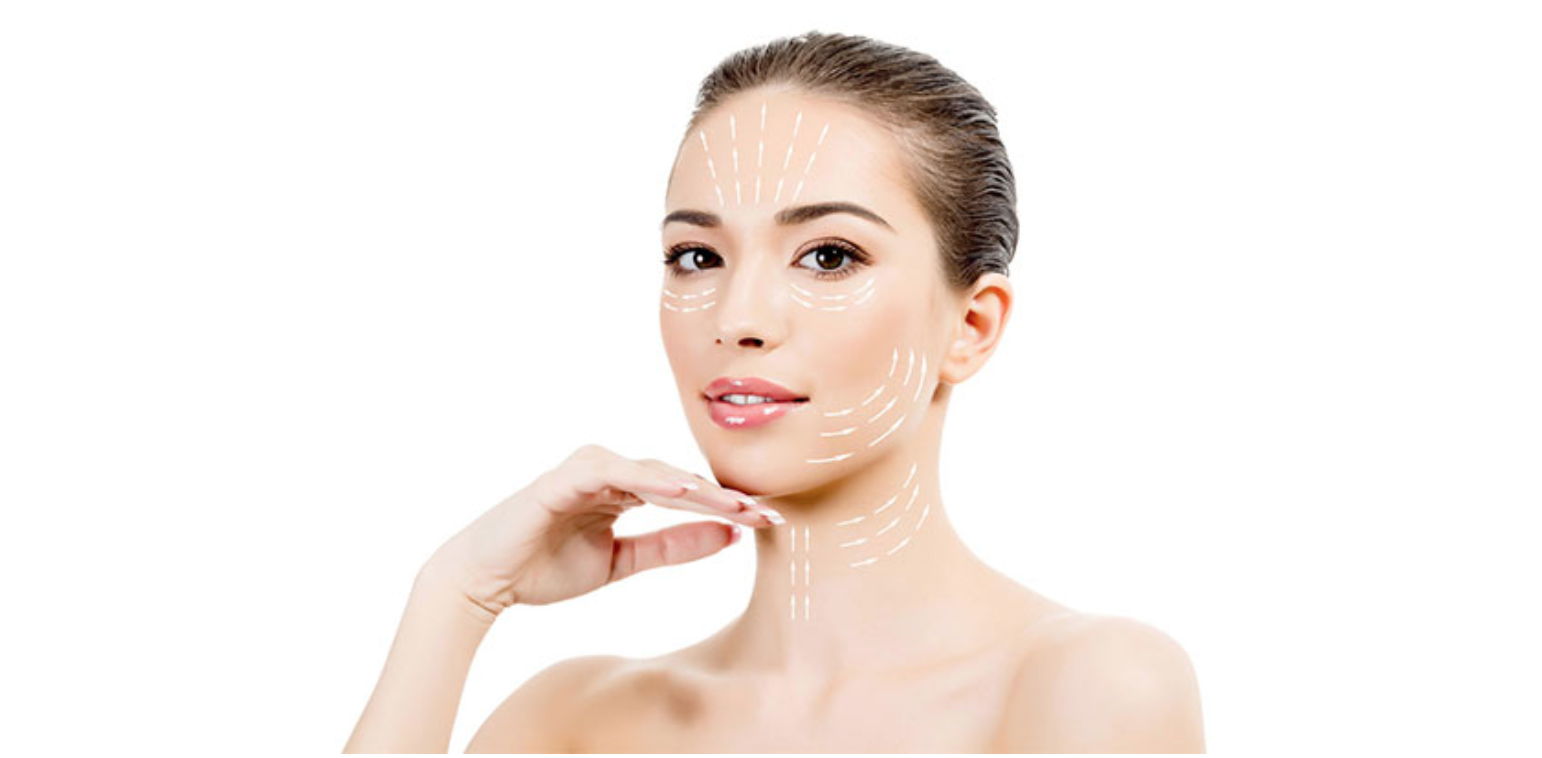

Non-surgical facelift procedures can be customized according to the person's age, skin type, and expectations. These procedures are usually performed under local anesthesia and allow the patient to quickly return to their daily activities.
A non-surgical facelift can be an ideal solution, especially for people with early signs of aging. This procedure helps tighten the skin, reduce wrinkles, and reshape facial features.
Non-Surgical Facelift Methods
Various methods are used for non-surgical facelift. The most common of these are:
1. Thread Lift: It is a procedure for tightening and lifting facial areas using thin threads. This method is used especially to reduce sagging in the eyelid, eyebrow, and cheek areas.
2. Radiofrequency (RF) Application: It is a method that provides skin tightening by stimulating collagen production in the facial area. This procedure reduces wrinkles and highlights facial features.
3. Ultrasound (HIFU) Application: Deep tissue is heated using high-intensity focused ultrasound waves. This increases collagen production and tightens the skin.
4. Laser Application: Various laser technologies can be used to reduce wrinkles and tighten the skin in the facial area. Laser applications can focus on specific areas of the face.
5. Botulinum toxin and Filling Applications: Botulinum toxin and fillers can be used to reduce wrinkles and eliminate volume loss in the facial area. These procedures can reshape facial features without requiring surgical intervention.
These methods can be applied alone or in combination, depending on the person's needs and expectations. Non-surgical facelift requires a customized treatment plan for each patient.
How are Non-Surgical Facelift Prices Determined?
Non-surgical facelift prices vary depending on various factors. The main factors that affect prices are as follows:
6. Application Method: The technology and method used can significantly affect prices. For example, radiofrequency application may be more costly, while Botulinum toxin application may be more affordable.
7. Application Area: Different prices can be applied for the treatment of different areas of the face. For example, procedures performed around the eyes may be more costly.
8. Application Duration: More extensive and long-term procedures may require higher prices.
9. Experience of the Practitioner: Services of more experienced and specialized physicians are usually priced higher.
10. Clinic Location: Prices of clinics in larger cities may be higher than clinics in smaller cities.
11. Materials Used: Using higher quality and innovative materials may increase prices.
12. Additional Services: Additional services such as consultation, anesthesia, and follow-up treatment may also affect prices.
Non-surgical facelift prices are determined by a combination of these factors. Personal needs and expectations also play an important role in pricing. Therefore, a special price quote should be provided for each patient.
Factors Affecting Non-Surgical Facelift Prices
Factors affecting non-surgical facelift prices are as follows:
13. Application Method: The technology and method used can significantly affect prices. For example, radiofrequency application may be more costly, while Botulinum toxin application may be more affordable.
14. Application Area: Different prices may be applied for the treatment of different areas of the face. For example, procedures performed around the eyes may be more costly.
15. Duration of Application: More extensive and longer procedures may require higher prices.
16. Experience of the Practitioner: Services of more experienced and specialized physicians are generally priced higher.
17. Clinic Location: Prices of clinics in larger cities may be higher than clinics in smaller cities.
18. Materials Used: Use of higher quality and innovative materials may increase prices.
19. Additional Services: Additional services such as consultation, anesthesia, follow-up treatment may also affect prices.
All of these factors play an important role in determining non-surgical facelift prices. Personal needs and expectations also affect pricing. Therefore, a special price quote should be presented for each patient.
 Call
Call
 Whatsapp