



The exact cause of vitiligo is not yet fully known, but some factors are thought to be effective in the emergence of the disease. Various factors, including immune system disorders, genetic factors, stress and trauma, can increase the risk of vitiligo. It may also be associated with autoimmune diseases and some thyroid diseases.
Symptoms and Features of Vitiligo
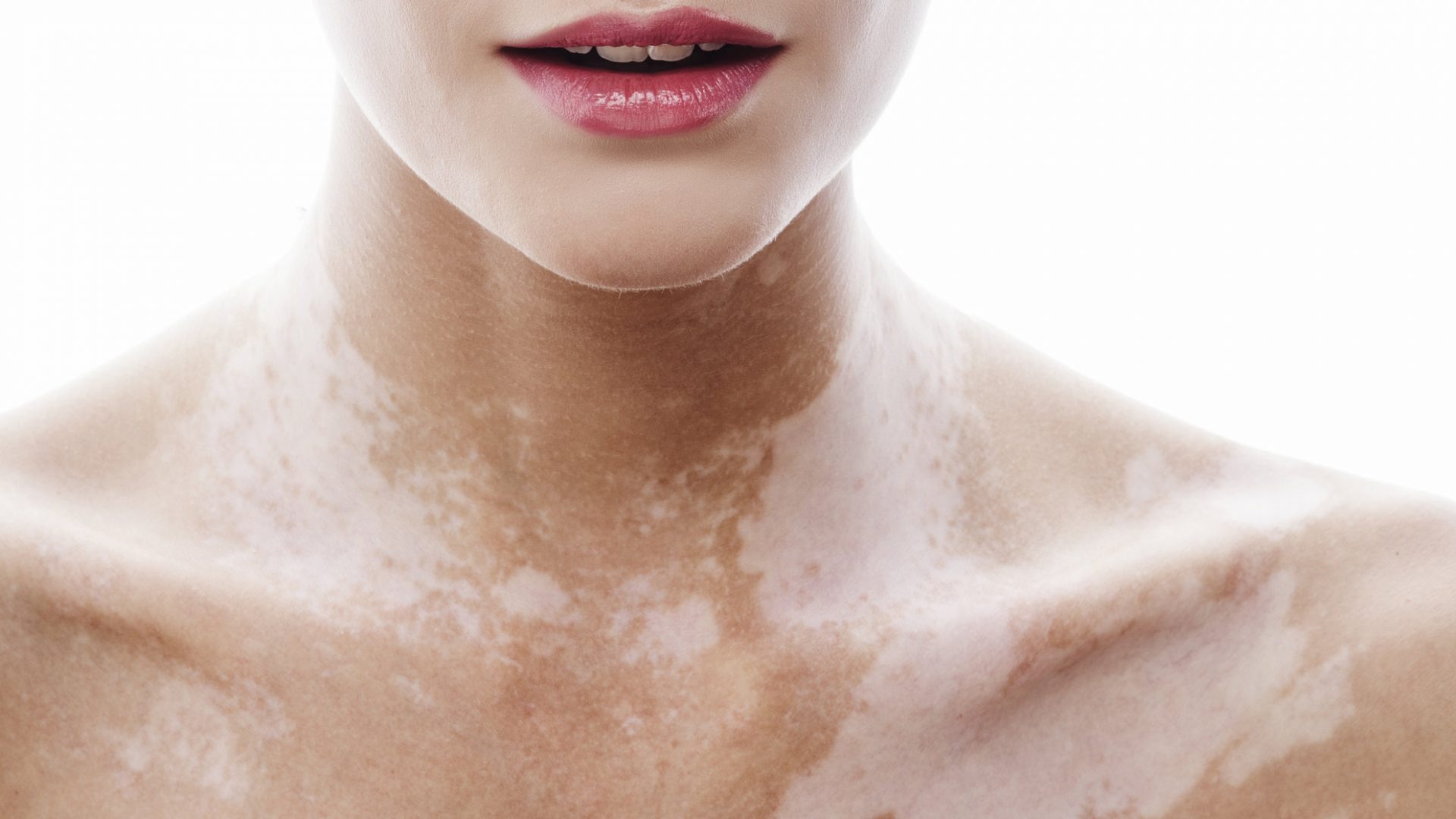
Vitiligo is the most obvious symptom of white patches on the skin. These spots usually appear symmetrically in different parts of the body. They may be small at first, but over time they can grow and coalesce. Vitiligo can also be associated with other features, such as graying of hair and eyebrows and affecting mucosal areas such as the eyes, mouth and nose.
The symptoms and characteristics of Vitiligo may vary from person to person. Some people have only a few small white spots, while others may have a large area of their body affected. Additionally, vitiligo spots may become more visible when exposed to the sun or as a result of skin injuries.
Distinguishing Vitiligo from Other Skin Diseases
Vitiligo can have similar symptoms that can be confused with other skin diseases. Therefore, it is important to be examined by a specialist dermatologist for a correct diagnosis. Skin diseases most commonly confused with vitiligo include fungal infections, albinism and tinea versicolor. The symptoms and treatments of these diseases may be different, so it is important to consult a specialist for a correct diagnosis.
Common Misconceptions About Vitiligo
There are many misconceptions about vitiligo. Some of these are those:
• Vitiligo is a contagious disease: No, vitiligo is not contagious and does not pass from one person to another.
• Vitiligo only occurs in a certain ethnic group: No, vitiligo can occur in any ethnic group, at any age and in any gender.
• Vitiligo cannot be cured: Yes, although vitiligo cannot currently be completely cured, some treatment options can relieve symptoms and stop the white patches from spreading.
Not All White Spots Are Vitiligo - Other Possible Causes
Not every white spot may be vitiligo. Other possible causes of white spots include:
• Pityriasis Alba: This is a common skin disease and usually affects children. Pityriasis alba can cause white patches to appear on the face.
• Leukoderma: Leukoderma is another skin disease in which white patches appear on the skin. Although it has similar symptoms to vitiligo, the cause of leucoderma is often related to genetic factors.
• Albinism: Albinism is a condition in which the skin and hair are white due to a deficiency in pigment production. Albinism is a genetic disease and can be confused with vitiligo.
Medical Tests and Diagnosis for Vitiligo
Diagnosis of vitiligo is usually made by a dermatologist through physical examination and observation of symptoms. However, sometimes specialists may order other tests. These tests may include a skin biopsy, blood tests, and sometimes light tests. These tests can help confirm the diagnosis of vitiligo and rule out other skin diseases.
Treatment Options for Vitiligo
Vitiligo treatment may include a variety of options to stop the spread of the disease and restore the color of white patches. These treatment options include topical corticosteroids, immunomodulators, phototherapy, skin grafts, and laser therapy. It is important to consult with a dermatologist to determine which treatment option is appropriate.
Coping with Vitiligo - Psychological and Emotional Support
While vitiligo can be physically devastating, it can also create psychological and emotional challenges. Patients may have difficulty interacting with other people, struggle with self-esteem issues, and experience emotional problems such as depression or anxiety. Therefore, psychological and emotional support is important to cope with vitiligo. Joining support groups, receiving therapy or counseling, and maintaining a healthy lifestyle can help cope with vitiligo.
Not every white spot is vitiligo
Free Information,
Consultation and Appointment Request
 Call
Call
 Whatsapp