


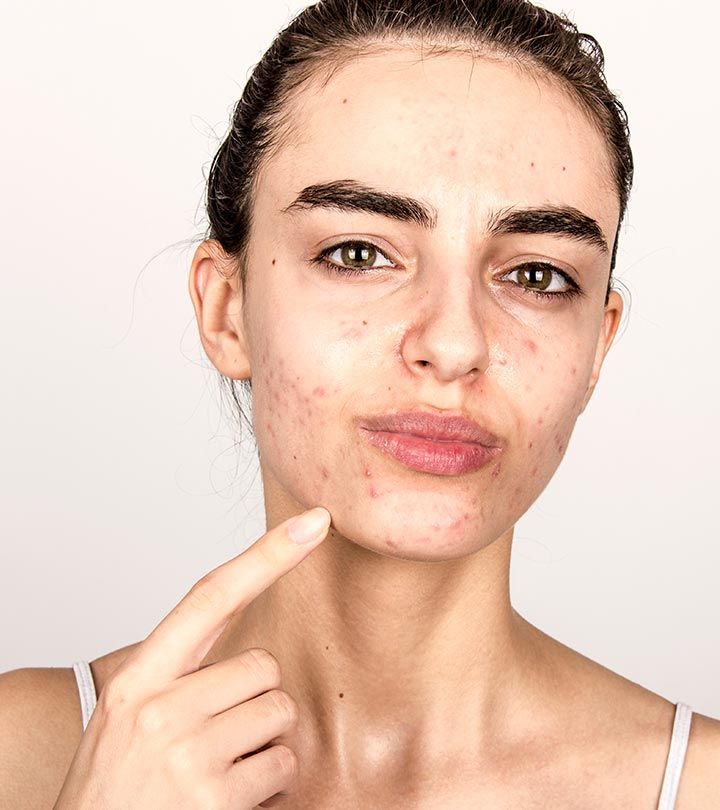

Causes of Oiliness on the Face
Oiliness on the face is usually a natural defense mechanism of the skin. The sebaceous glands try to prevent the skin from drying out by maintaining the moisture balance. However, in some cases, excess oil production can cause the pores in the skin to become clogged. This condition can usually be triggered by factors such as hormonal imbalances, stress, eating habits or using the wrong skin care products. Oiliness increases especially during times when hormonal changes are intense, such as during puberty and the menstrual cycle.
Effect of Oiliness on Acne Formation
Excessive oil accumulation on the skin leads to pore blockage, paving the way for acne. Oil, combined with dirt and dead cells on the skin, begins to accumulate in the pores. These blockages lead to the proliferation of bacteria and inflammation. As a result, acne and pimples occur. Especially areas such as the T-zone (forehead, nose, chin) are areas where the sebaceous glands are more dense and the skin in this area becomes oily more easily.
Proper Skin Care for Oily Skin
Proper skin care for oily skin can help balance oil production. Cleansing is important for removing excess oil and dirt, but over-cleansing can also dry out the skin, leading to more oil production. Therefore, it is important to use gentle cleansers and be careful not to over-dry the skin. In addition, using oil-balancing moisturizers can keep oil production under control while providing the moisture the skin needs.
Acne Treatment for Oily Skin
Acne that occurs in oily skin can be managed with the right treatment. Some ingredients used in acne treatment can be effective in controlling excess oil and preventing pores from clogging. These include substances such as salicylic acid and benzoyl peroxide. In addition, retinoid creams can help open clogged pores by encouraging skin cell renewal. A regular care routine and patience are necessary for acne treatment.
The Role of Diet
Eating habits can directly affect skin health. Excessive consumption of oily foods, sugary foods, and processed foods can increase oil production in the skin. Instead, drinking plenty of water and turning to foods that nourish the skin, such as vegetables and fruits, can help balance the oil balance of the skin. Foods containing omega-3 fatty acids and antioxidants can also improve skin health and prevent acne formation.
The Relationship Between Hormones and Oiliness
Hormones can directly affect the oil production of the skin. Changes in hormone levels, especially during periods such as puberty, pregnancy or the menstrual cycle, can increase oil production. At the same time, the stress hormone cortisol can also trigger oiliness. Problems with hormones can make acne formation more visible. Therefore, it may be useful to get help from a dermatologist to control hormones.
In conclusion
Excessive oiliness on the face is often an important factor that leads to acne. However, this condition can be managed with proper skin care, regular cleansing and eating habits. It is very important to be patient in the treatment of oily skin and to choose products that are suitable for your personal skin care needs. You can control the oiliness and acne formation on your face with skin care and lifestyle changes.
 Call
Call
 Whatsapp