


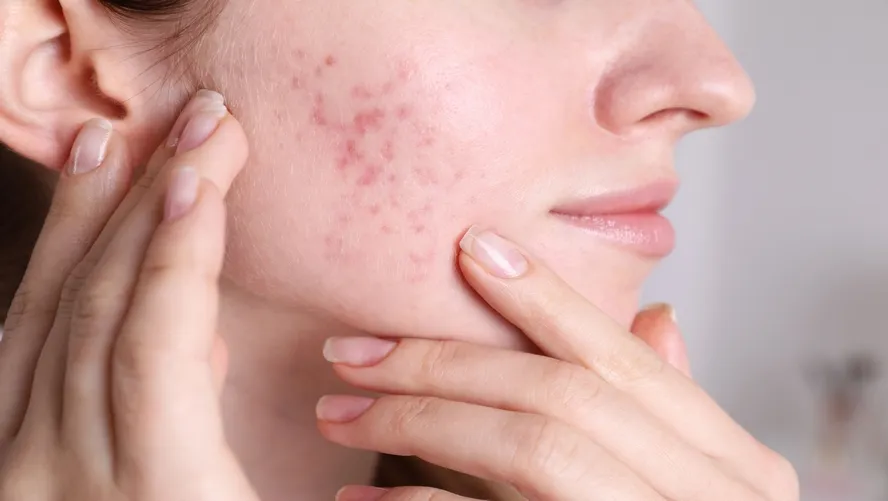

What are Acne Scars?
Acne scars are permanent spots left on the skin, especially during the healing of inflammatory and deep acne. These scars occur as a result of tissue damage after acne. Acne scars can sometimes be in the form of dark spots (hyperpigmentation) or pits (atrophic scars). The skin can leave some scars after healing the acne, which can affect the person psychologically.
The good news is that creams and topical treatments used in the treatment of acne scars can lighten the appearance of these scars and make the skin look smoother.
Benefits of Using Cream for Acne Scars
Using cream for acne scars can be an important step in reducing the appearance of scars. These creams usually contain active ingredients and reduce the appearance of scars by increasing collagen production in the skin, equalizing skin tone and repairing tissue damage.
The main benefits of using cream for acne scars are:
Supports Skin Regeneration:
The active ingredients in the cream accelerate the skin's regeneration process. This helps to lighten scars over time and give the skin a more even appearance.
Increases Collagen Production:
Some creams repair tissue damage in the skin by stimulating collagen production. Since collagen is a protein that increases skin elasticity and provides a healthy appearance, it helps to improve acne scars.
Can Even Out Skin Tone:
Some creams for dark spots or hyperpigmentation problems help to even out skin tone. This can significantly lighten the appearance of acne scars.
Reduces Inflammation on the Skin:
Some creams for scars left from inflamed acne have inflammation-reducing properties and can help scars heal faster.
Which Creams Are Effective?
Creams that are effective for acne scars may vary depending on the active ingredients they contain. Here are some commonly used ingredients for acne scars:
Retinoids:
Retinol and its derivatives accelerate the renewal of skin cells and increase collagen production. This can help heal deep scars. Creams containing retinoids can be very effective for lightening acne scars.
Vitamin C:
Vitamin C lightens hyperpigmentation (dark spots) and helps even out skin tone. It can also help reduce the appearance of acne scars by promoting skin renewal.
Hyaluronic Acid:
Hyaluronic acid helps balance moisture in the skin, strengthens the skin barrier and helps skin appear fuller and smoother. This can lighten the appearance of acne scars.
Niacinamide (Vitamin B3):
Niacinamide can help heal acne scars by reducing inflammation in the skin. It also helps lighten dark spots by balancing skin tone.
AHA and BHA (Alpha-Hydroxy Acid and Beta-Hydroxy Acid):
These acids have a chemical peeling effect and help remove dead skin cells and create new cells. It speeds up skin renewal and improves acne scars.
How to Use Cream for Acne Scars?
Correct use of cream is important for the effectiveness of the treatment. Here are the things to consider when using cream:
Skin Cleansing:
Before using cream for acne scars, the skin should be cleaned. The skin should be cleaned with a gentle cleanser and then the cream should be applied. Clean skin absorbs the cream better.
Correct Application of the Cream:
Acne scar creams should generally be applied superficially. The cream should be applied to the areas where the scars are by gently massaging with the fingertips. Excessive cream should be avoided, as this can overload the skin and cause irritation.
Night Use:
Most creams are recommended for use at night because the skin renews itself during the night. Applying a night cream allows the active ingredients in the cream to penetrate the skin more effectively.
Be Patient:
Treatment of acne scars can take time. The effect of the cream can be observed within a few weeks, but long-term use may be required for permanent results. Being patient increases the success of the treatment process.
Things to Consider When Using Cream
When using cream for acne scars, it is important to pay attention to some points:
Side Effects:
If side effects such as irritation, redness or itching are observed on the skin during the use of the cream, the use should be stopped and a dermatologist should be consulted.
Using Sunscreen:
Some ingredients such as retinol and AHA can make the skin sensitive to the sun. Therefore, it is important to use sunscreen while continuing to use the cream.
Choosing the Right Cream for Your Skin Type:
Every skin type is different. When choosing a cream, you should prefer gentle and sensitive products suitable for your skin type. Otherwise, problems such as irritation and dryness may occur on the skin.
In Conclusion
Acne scars can be lightened with the right treatment methods.
Using creams for acne scars is an important part of skin care and can yield successful results when used regularly and the right ingredients are selected. Choosing a suitable cream according to your skin type and the condition of your scars will increase the effectiveness of the treatment process.
Remember, time and patience are required in the treatment of acne scars. When dermocosmetic creams are used together with professional skin care treatments, faster and more effective results can be achieved.
???? Dr. Fatma Yıldız – Ankara Life Polyclinic
 Call
Call
 Whatsapp