


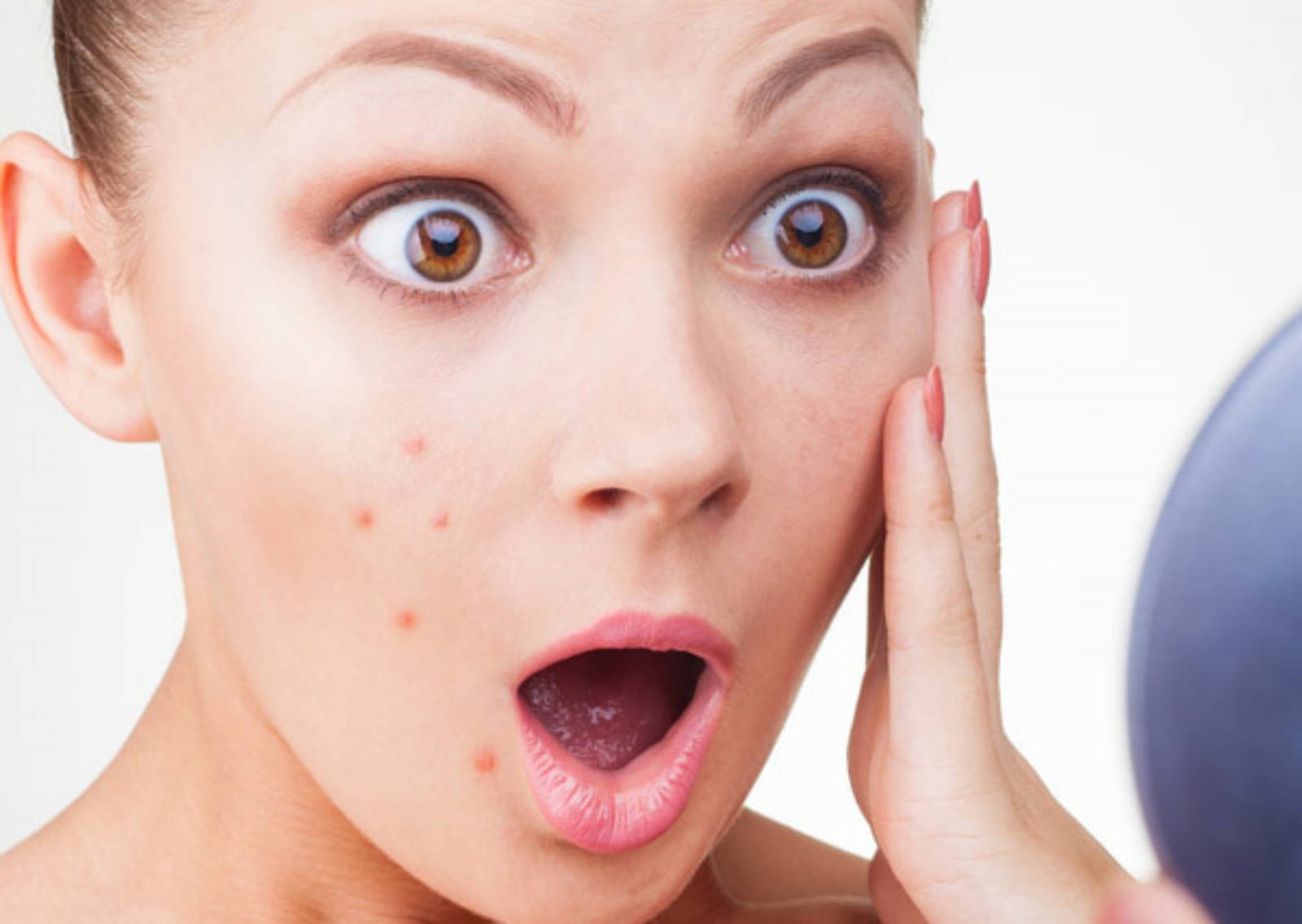

The pill used in the treatment of acne should be taken with the advice of a specialist. The treatment process is different for each individual. Depending on the severity of acne, several treatments can even be applied together. At the end of at least two or three months of treatment, targeted effects can occur. The most important disadvantage of these treatments is that the lesions can recur in any case. Therefore, acne treatment can continue for a long time. Different treatment methods are recommended according to the type of acne. Creams and washes are recommended for mild acne. For moderate and severe acne, oral pills may come to the fore. Some of the acne treatment pill types recommended by experts in this field are as follows:
* Vitamin A derivative drugs
* Birth control drugs
Ways Followed in Acne Treatment
It is not possible to buy over-the-counter drugs from pharmacies in pill researches used in acne treatment. For this reason, the treatment to be applied must be under the supervision of a specialist and the recommended drugs must be sold on prescription. In particular, the first step in the treatment of acne, the patient is recommended products to clean the skin. These are usually in the form of supportive treatments. Those with mild acne can apply topical treatments. Regular use is necessary for topical treatments, which are the second stage, to be effective. There may be side effects such as itching, dandruff, redness. These go away in two to three weeks. In the last stage, acne treatment pills come into play. Oral antibiotics can be used in people with severe acne, especially in people who do not benefit from creams. The important thing to note is that antibiotic use should not exceed 3-4 months. And it should be used with creams that will prevent antibiotic resistance.
Isotretinoin for Acne Treatment
As a pill used in acne treatment, isotretinoin is effective in all acne forms used in the market. At the end of the treatment, a definitive solution is obtained for many patients. The lesions are then reduced. While relapse and recurrence of the disease are seen after all other treatments, many acne diseases do not recur after isotretinoin. Although effective, it also has side effects. These effects, which disappear during or after treatment, are not permanent. The most important side effect is dryness of the skin. In such cases, specialists may request a blood test after acne treatment. Rarely, increased blood lipids can cause adverse effects on the liver. For this reason, physicians continue this treatment in a controlled manner.
 Call
Call
 Whatsapp