


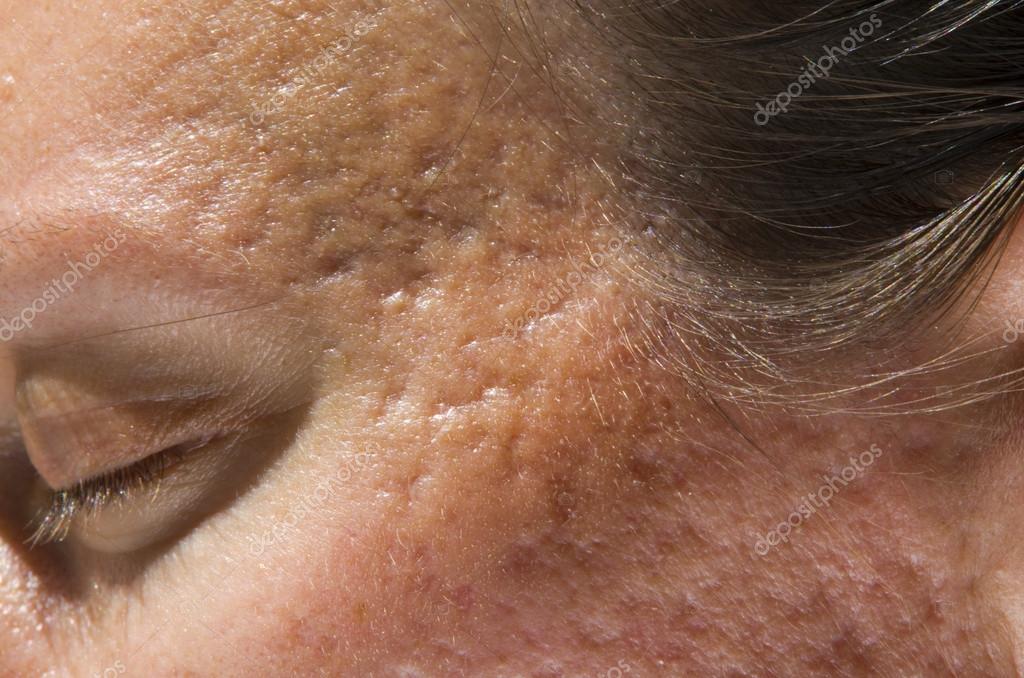

What is a Pimple-like Swelling Behind the Ear?
Pimple-like swellings behind the ear are usually harmless, but in some cases they can be a symptom of a different underlying health problem.
What Causes a Pimple-like Swelling Behind the Ear?
There can be various causes of swellings behind the ear. Although most of these are due to simple reasons, caution may be necessary in some cases.
Sebaceous Gland (Lipoma):
They are soft, mobile masses that form under the skin. They are usually painless and not dangerous. They occur as a result of abnormal accumulation of fat cells.
Pimples or Ingrown Hairs:
Behind the ear is an area where sebaceous glands are dense. Pimples can form in this area, especially due to sweating, oiliness or lack of hygiene. In addition, hairs growing under the skin can also cause swelling.
Swollen Lymph Nodes:
Lymph nodes can swell in cases of infection or inflammation in the body. The lymph nodes behind the ear are also included in this. Throat infections, ear infections or colds in particular can cause these swellings.
Cyst:
Epidermoid or sebaceous (oil) cysts are sacs that form under the skin. They contain oily material or keratin. They can be mobile when touched and are usually painless. However, when infected, they can become inflamed and cause pain.
Trauma or Impact:
A blow or scratch behind the ear can cause swelling in this area. Blood accumulation or inflammation under the skin can cause a feeling of swelling.
Infections:
Especially ear infections or skin infections can cause swelling in this area. Symptoms of infection may include redness, pain, increased heat and inflammation.
How Does Swelling Behind the Ear Go Away?
Treatment may vary depending on the cause of the swelling. Simple pimples or oil glands can usually heal on their own without needing treatment. However, treatment may be required in cases of infection or cysts.
Acne or Ingrown Hair:
It is important to keep the skin clean and wash the area regularly.
Antibacterial soaps or cleansers can be used.
Applying a warm compress to the swelling can help reduce inflammation.
Sebaceous Gland or Cyst:
If the growth continues or causes pain, surgical intervention by a doctor may be necessary.
It is important not to squeeze or burst the cysts so that they do not become infected.
Lymph Node Swelling:
If it is caused by an infection, the swelling usually goes away on its own when the infection is treated.
If there are symptoms such as pain or fever, a doctor's check-up is necessary.
Infections:
Antibiotic treatment or antiseptic creams can be used.
Oral medications may also be required with a doctor's recommendation.
When to See a Doctor?
Swellings behind the ear are usually harmless. However, in some cases, it may be necessary to see a doctor:
If the swelling is growing rapidly or has not gone away for a long time.
If there are symptoms such as pain, fever or redness.
If there is tenderness or pain when touched.
If you think the cyst or sebaceous gland is infected.
Conclusion
Pimple-like swellings behind the ear are usually harmless and can go away on their own. However, if symptoms such as pain, inflammation or growth are observed, a doctor should definitely be consulted. It is important to apply the right treatment methods, especially against the risk of infection.
 Call
Call
 Whatsapp