


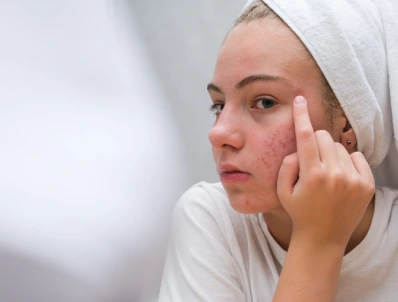

Why Do They Appear Especially in the Nose Area?
The nose is one of the oiliest areas of our face. The pores in this area are wide and the skin produces more sebum (oil). If this oil accumulates in the pores and dirt and dead skin cells are added to it, acne formation becomes inevitable. Especially the forehead, nose and jawline, known as the T-zone, are more prone to acne.
Hormonal Changes May Be Effective
Situations such as puberty, premenstrual periods or stress can cause hormonal changes in the body. These changes can increase oil production in the skin and trigger acne, especially around the nose. Such acne can usually be painful and swollen, and even feel full.
What to Do If Pimples on the Nose Reoccur?
If pimples on the nose reoccur frequently, this may also be due to using products that are not suitable for your skin type. Oily or comedogenic (pore-clogging) products can cause the pores in this area to fill up more quickly. It is very important to choose a cleanser and moisturizer that is suitable for your skin type.
Eating habits also play a role
Excessive sugar and fatty foods, especially dairy products, can increase the tendency for acne in some individuals. Adding vegetables, fruits and plenty of water to your daily diet can have a positive effect on skin health. In addition, excessive consumption of coffee and processed foods can also cause acne around the nose in some people.
Squeezing Can Make It Worse
Pimples on the nose, especially when they look like blackheads, may make you want to squeeze them. However, this behavior can cause the acne to deepen and leave scars later. In addition, if the area becomes infected, it can cause bigger skin problems. Therefore, regular cleaning with skin cleansing and appropriate care products should be preferred.
When is Specialist Support Required?
If pimples do not go away, are painful or spread and increase, support should definitely be sought from a dermatologist. Especially swellings inside the nose or on the side of the nose can sometimes be different skin problems such as hair follicle inflammation. The healthiest way to see a specialist for the right diagnosis and treatment is to have your skin seen by a specialist.
 Call
Call
 Whatsapp