


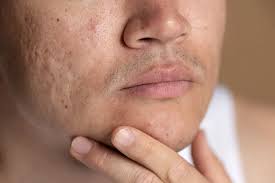

Causes of Acne in Men
There may be many different reasons for acne formation in men. Factors such as genetic factors, hormones, eating habits, and stress can create conditions that can lead to acne on men's skin. Especially with puberty, increasing hormone levels in men's bodies increase oil production in the skin, paving the way for acne formation.
Hormonal Periods and Acne
The frequency of acne in men is usually associated with puberty. During this period, increased testosterone levels in the body can cause excessive activity of the sebaceous glands. In addition, stress, disruptions in sleep patterns, and incorrect skin care habits are other factors that trigger acne. In adult men, hormonal imbalances or skin problems caused by stress may continue.
Acne and Oily Skin
Men's skin is usually thicker and oilier than women's. This can cause the pores in the skin to become more clogged and trigger acne formation. Regular cleaning and care is necessary for men's skin due to excessive oil production. Otherwise, the formation of acne and blackheads may be inevitable.
What Should Be Done for Acne Treatment in Men?
The basic steps in acne treatment in men are skin cleansing and using the right products. Light, non-drying products should be preferred for skin cleansing. In addition, using gels or creams that help kill acne-causing bacteria can speed up the treatment process. Using moisturizers is also important to prevent acne scars.
Acne Scar Treatment for Men
Acne scars are also common in men. In order to prevent the formation of scars during acne treatment, it is important to use appropriate care products and dermatological treatment options when necessary. The appearance of scars can be significantly reduced with methods such as laser treatment, dermapen or chemical peeling. These treatments are methods that men can easily apply and protect their skin health.
In Conclusion
Although acne in men is usually caused by hormones, lifestyle and care habits also play an important role. It is possible to prevent and treat acne with regular cleaning, appropriate care products and professional support when necessary. It should not be forgotten that every skin is different, so getting support from a dermatologist is important to determine the most appropriate treatment plan for each individual.
 Call
Call
 Whatsapp