


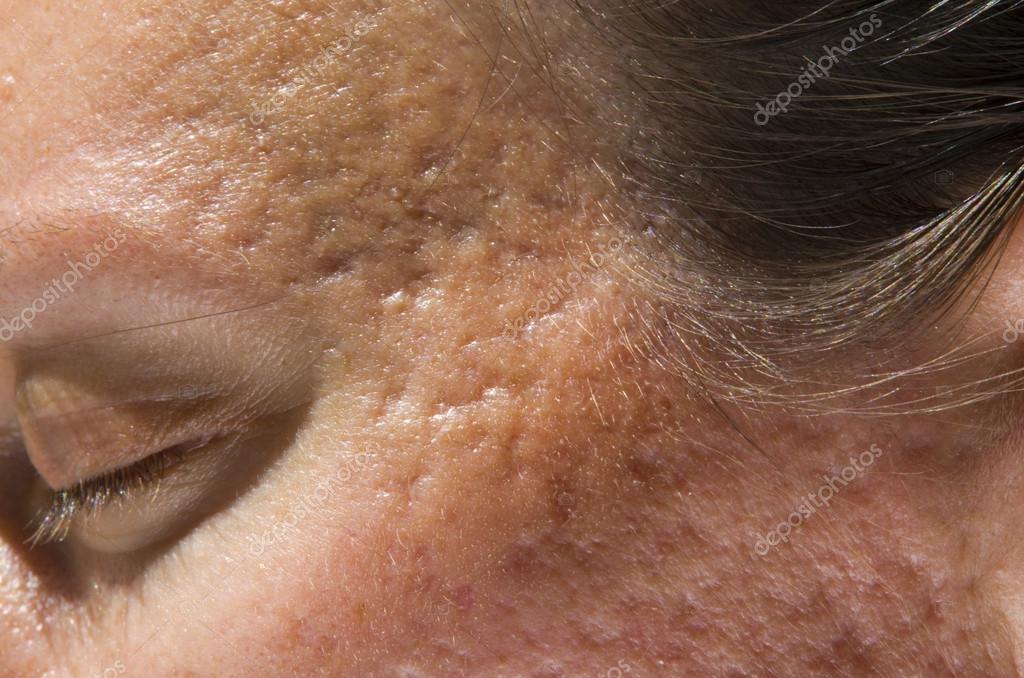

1. Blockage of Sebaceous Glands
There are sebaceous glands on the scalp, just like on our face. When these glands produce too much sebum (oil), they can combine with dead skin cells and clog the pores. Bacteria accumulate in clogged pores, which can turn into acne.
2. Shampoo and Hair Products
Some shampoos, conditioners, dry shampoos or styling products with high content can accumulate at the roots of the hair and clog the pores. Especially if products that are not rinsed well are left on the scalp, acne formation can increase.
3. Hygiene and Sweating
Not washing the hair for a long time, sleeping with sweaty hair or elements such as dirty towels and hats that touch the head can cause bacteria to multiply on the scalp. This can lead to acne-like inflammatory lesions.
4. Hormonal Imbalances
Changing hormone levels in the body can affect not only the face but also the scalp. Acne can also occur on the scalp during periods when oil production increases.
5. Skin Diseases
Sometimes pimples on the scalp can actually be a symptom of another skin problem. Dermatological conditions such as folliculitis, seborrheic dermatitis or acne keloidalis can also present with similar symptoms.
What to Do?
Shampoos that do not irritate the scalp and, if possible, have been dermatologically tested should be used.
Care should be taken not to leave product residue after washing the hair.
Sweaty hair should not be left for a long time, and hair cleaning after sports should not be neglected.
If the complaints last long or spread, a dermatologist should be consulted.
 Call
Call
 Whatsapp