


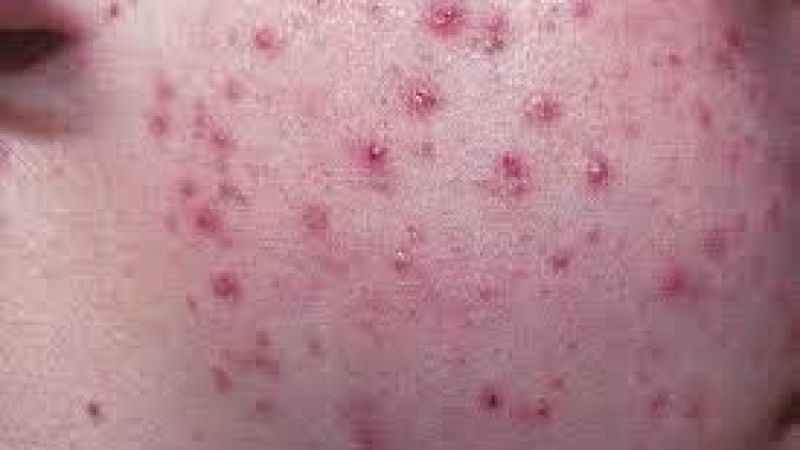

What Causes Acne After Razor?
Shaving with a razor provides quick and practical cleaning of the skin. However, this method can cause acne formation on the skin when applied incorrectly or when proper skin care is not provided. This situation is more common especially in people with sensitive skin or who use the wrong product.
Causes of Acne After Razor
There are various factors that cause acne formation after shaving with a razor. One or more of these factors may act simultaneously.
Ingrown Hair (Inflammatory Folliculitis):
Failure to cut the hairs properly from the root during shaving with a razor can cause them to grow under the skin. This condition is especially common in thick and curly hair. The hair growing under the skin can become inflamed and cause acne-like swellings.
Irritation After Shaving:
Direct contact of the razor with the skin surface can irritate the upper layer of the skin. This irritation can lead to redness, itching and acne formation.
Lack of Hygiene:
If the razor used is not clean or the skin is not cleaned enough after shaving, this can cause bacteria to multiply. This triggers acne formation.
Wrong Razor Usage:
Using an old, dull or dirty razor irritates the skin and increases the risk of acne. In addition, pressing the razor too much on the skin while shaving also causes irritation.
Wrong Product Usage:
If the shaving foam, gel or cream is not suitable for your skin type, it can cause skin irritation and acne formation. Especially perfumed and chemical products can cause problems on sensitive skin.
Tight and Synthetic Clothing:
Wearing tight and synthetic clothing immediately after shaving can prevent the skin from breathing and cause sweating and clogged pores.
Sensitive Skin Structure:
Especially sensitive and dry skin can be irritated more easily after shaving with a razor. This situation paves the way for acne formation.
How to Prevent Acne After Razor?
It is very important to apply the right techniques and use the right products to prevent acne after shaving. Here are the things to consider:
Choosing the Right Razor:
Using sharp, clean and high-quality razors reduces the risk of skin irritation. Avoid reusing used or dull razors.
Moisturize the Skin:
Moisturizing the skin before shaving helps soften the hair follicles. In this way, shaving becomes more comfortable and effective. You can also reduce irritation by using a soothing moisturizer after shaving.
Use Shaving Foam or Gel:
It is important to use foam or gel to protect the skin during shaving. Especially for sensitive skin, products that are fragrance-free and alcohol-free should be preferred.
Pay Attention to the Direction of Shaving:
Shaving in the direction of hair growth reduces irritation. Shaving in the opposite direction can cause ingrown hairs.
Rinse with Cold Water:
Washing the skin with cold water after shaving helps close the pores and reduces the risk of inflammation.
Drying the Skin:
After shaving, it is necessary to dry the skin gently. Drying with a tampon motion instead of rubbing the towel on the skin prevents irritation.
Use After Shave Products:
Using lotions or creams that do not contain alcohol, have soothing and antibacterial properties can prevent inflammation.
Avoid Tight Clothing:
Instead of wearing tight and synthetic clothes immediately after shaving, prefer cotton and comfortable clothes.
Post-razor Acne Treatment
If post-razor acne has formed, some methods can be applied to alleviate or completely eliminate this condition.
Antibacterial Creams or Gels:
Can be used to reduce bacteria on the skin. It can be especially effective in cases of folliculitis.
Products Containing Salicylic Acid or Benzoyl Peroxide:
Cleanses pores, reduces inflammation and helps acne heal.
Aloe Vera:
A natural soothing agent. It can reduce redness and irritation on the skin.
Cold Compress:
It is effective for reducing swelling and redness. It provides relief especially for inflamed acne.
Wearing Cotton Clothing:
It reduces irritation by allowing the skin to breathe.
When to See a Doctor?
Post-razor acne usually goes away with methods applied at home. However, in some cases, it may be necessary to see a dermatologist:
If acne keeps recurring.
If inflamed and painful acne occurs.
If there are open wounds or signs of infection on the skin.
If there is no improvement despite home treatments.
Conclusion
After-razor acne is usually caused by incorrect application or lack of hygiene. Applying the right shaving techniques, using appropriate products and regularly moisturizing the skin can prevent this problem. If your acne keeps recurring or getting worse, it is important to consult a dermatologist to determine the appropriate treatment methods.
 Call
Call
 Whatsapp