


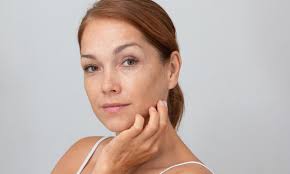

What is Zoretanin?
Zoretanin is a drug that is generally used to treat severe acne. The isotretinoin it contains reduces the skin's oil production and prevents inflammation that leads to acne. This drug can be quite effective in treating acne, but some side effects and long-term effects may occur. Effects such as spots, dryness, sensitivity and color changes on the skin may be observed after the use of Zoretanin.
Spot Formation After Zoretanin Use
Zoretanin treatment may cause the skin to become thinner and more sensitive. During this process, the normal healing mechanisms in the skin may change and new spots may form. Especially during or after treatment, scars, pigmentation changes and dark spots may appear on the skin. In addition, while the use of Zoretanin accelerates the healing process in the skin, some people may experience color inequalities and dark spots on the skin. This is considered one of the side effects of the treatment.
Early Start to Treat Spots is Important
Early intervention is important in spot treatment after Zoretanin. Rapid removal of spots on the skin is beneficial in preventing permanent scars. After starting treatment, the skin should be moisturized regularly and protected from the sun. In addition, some treatment methods can be applied to prevent further deepening of the spots on the skin.
Chemical Peeling and Microdermabrasion
Methods such as chemical peeling and microdermabrasion can be used to treat spots on the skin after Zoretanin. Chemical peeling allows fresher and healthier skin cells to emerge by peeling the upper layer of the skin. This treatment can be effective in reducing spots. Microdermabrasion, on the other hand, gently peels the skin surface and lightens the appearance of spots. These methods can help accelerate skin renewal and achieve a smoother appearance.
Laser Treatment for Spot Removal
Laser treatment can also be an effective option for spots that occur after Zoretanin. Lasers reduce pigment production by stimulating the tissues under the skin and improve color inequalities on the skin. Options such as Fraxel laser and Q-switched laser target dark spots on the skin, providing a healthier and more uniform skin tone. Laser treatment usually requires several sessions, but effective results can be achieved.
Skin Care and Natural Methods
Since the skin is quite sensitive after Zoretanin treatment, it is important to take care of it with natural methods. Aloe vera is an ingredient that accelerates skin healing and soothes inflammations. In addition, serums containing vitamin C can also help even out skin tone and lighten blemishes. Natural whiteners such as lemon juice can lighten dark spots on the skin when used carefully. However, excessive use of such natural products can make the skin more sensitive, so caution should be exercised.
Sun Protection
The skin becomes much more sensitive after Zoretanin treatment. Therefore, avoiding sun exposure is critical to preventing darkening of skin spots. Using sunscreen is the most effective method to protect the skin. A sunscreen with an SPF of 30 or higher should be used to prevent darkening of skin spots. It is important to use sunscreen before going out in the sun, especially after Zoretanin treatment.
In Conclusion
Although spots and pigment changes occur on the skin after Zoretanin treatment, these spots can decrease or disappear over time with the right treatment methods. It is possible to prevent permanent scars with early intervention, skin care and professional treatment methods. Chemical peeling, laser treatment and natural care products can provide effective results in removing spots after Zoretanin. Getting help from a dermatologist and applying regular skin care during the treatment process will allow you to get the best results.
 Call
Call
 Whatsapp