


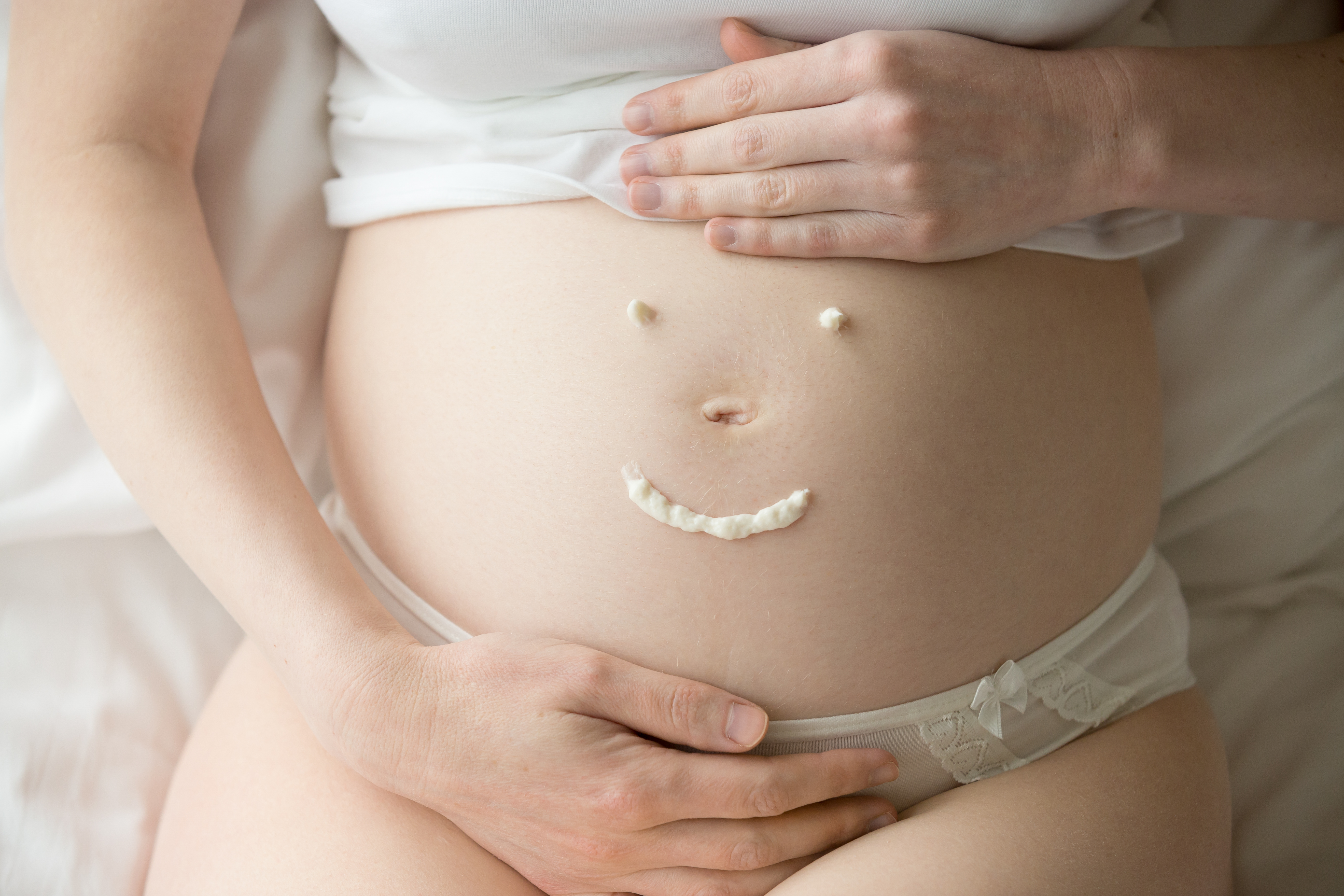

Postpartum stretch marks are tear marks that occur due to rapid growth and skin tension during pregnancy. It usually occurs around the belly button, buttocks, thighs and breasts. Cracks, which may initially be red or purple in color, change color over time and take on a whitish or silver appearance.
Stretch marks occur due to decreased skin elasticity and tearing of collagen and elastin fibers. Sudden weight gain and volume changes during birth can also cause stretch marks.
Causes of Postpartum Stretch Marks
Many factors are effective in the formation of stretch marks after birth:
Rapid Weight Gain: Too rapid weight gain during pregnancy can increase skin tension and cause stretch marks.
Hormonal Changes: Hormonal changes during pregnancy can negatively affect skin structure and elasticity.
Genetic Predisposition: Some women have a higher risk of stretch marks because their skin structure is naturally more sensitive.
Multiple Pregnancy: Twin or triplet pregnancies increase the chances of stretch marks due to rapid growth.
Age: While stretch marks are less common in women who get pregnant at a young age, stretch marks are more common in women who get pregnant at an older age.
Skin Type: Stretch marks are more common in women with dry and sensitive skin.
Effects of Postpartum Stretch Marks
Postpartum stretch marks can affect women themselves physically and psychologically:
Change in Appearance: Stretch marks can significantly change the appearance of the body and prevent women from feeling attractive.
Loss of Self-Confidence: The presence of stretch marks can cause women to lose their self-confidence.
Social Anxiety: Stretch marks can negatively affect women's clothing choices and participation in social events.
Psychological Stress: The appearance of stretch marks can negatively affect women's mental health and lead to problems such as depression or anxiety.
Physical Discomfort: In some cases, stretch marks can cause physical discomfort such as itching, pain, or tenderness.
Precautions for Postpartum Stretch Marks
You can take these precautions to prevent or reduce postpartum stretch marks:
Balanced Nutrition: Consuming a diet rich in vitamins, minerals and protein during and after pregnancy supports skin health.
Regular Exercise: Regular exercise during and after pregnancy helps maintain skin elasticity by increasing blood circulation.
Skin Care: Using moisturizers, lubricants and special products for skin cracks during and after pregnancy supports skin health.
Weight Control: Following a healthy weight gain during pregnancy reduces the risk of stretch marks.
Sun Protection: Exposure to sunlight can darken the color of stretch marks. It is important to use sunscreen.
Managing Stress: Stress can negatively affect skin health. It may be beneficial to apply methods to cope with stress during pregnancy and the postpartum period.
Cosmetic Products for Postpartum Stretch Marks
Various cosmetic products can be used to reduce the appearance of postpartum stretch marks:
Moisturizing Creams: Can alleviate the appearance of stretch marks by increasing skin moisture.
Oil Based Products: It can prevent the formation of cracks by strengthening the skin barrier.
Products Containing Vitamins and Minerals: They can help heal cracks by supporting skin health.
Peeling Products: Can reduce the appearance of stretch marks by removing dead cells.
Color Correcting Products: It can lighten the color of the cracks and provide a smoother appearance.
When using these products, it is important to choose those that suit your skin type and sensitivity.
Treatment Options for Postpartum Stretch Marks
Various treatment options are available to reduce the appearance of stretch marks:
Topical Treatments: Creams containing retinoic acid, vitamin C, or alpha hydroxy acids can help lighten the color of stretch marks and improve their appearance.
Laser Treatments: Treatments such as fractional laser, IPL (Intense Pulsed Light) or CO2 laser can reduce the appearance of stretch marks.
Microneedling: By puncturing the skin with tiny needles, it can trigger skin regeneration and improve the appearance of stretch marks.
Chemical Peels: Peels with chemicals such as glycolic acid, salicylic acid or TCA can reduce the appearance of stretch marks.
Dermal Filling Applications: Hyaluronic acid-based fillers can correct the appearance of stretch marks by filling them.
To determine which treatment option would be right for you, it is recommended that you consult a dermatologist.
Home Methods for Postpartum Stretch Marks
You can also try some methods at home to improve the appearance of postpartum stretch marks:
Massage: Regularly massaging the areas where stretch marks are located can support skin health by increasing blood circulation.
Dry Brushing: Brushing the body daily with a dry brush increases circulation and promotes skin renewal.
 Call
Call
 Whatsapp