


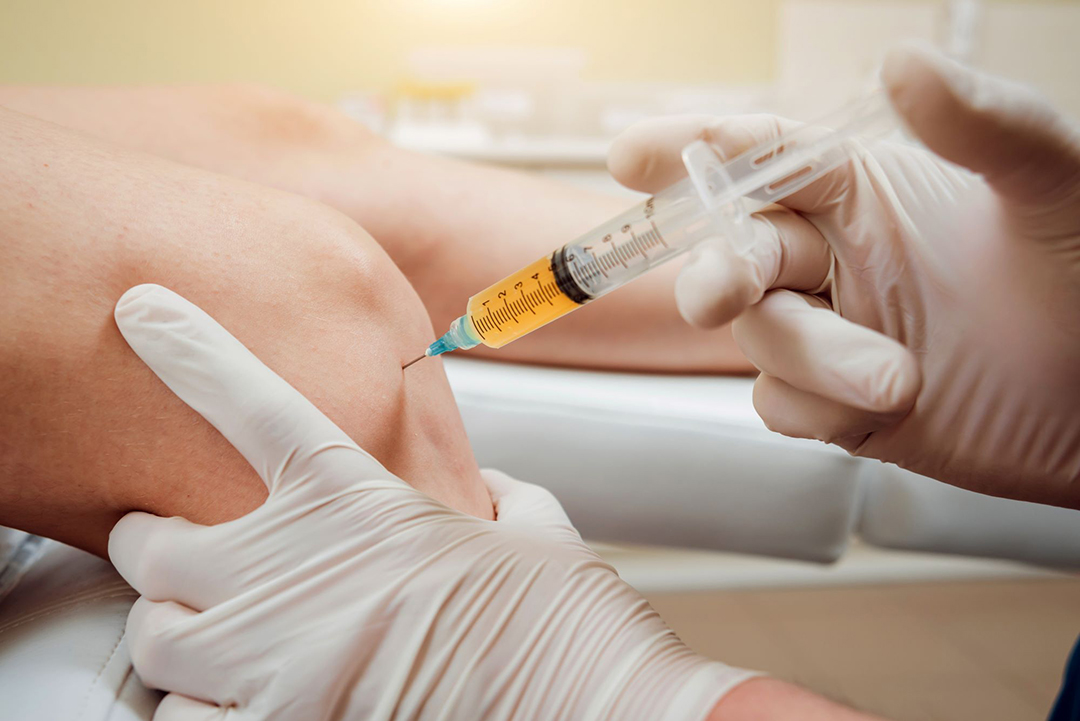

PRP injection is a procedure in which platelets obtained from the patient's own blood are used. During the procedure, some blood is taken from the patient and this blood is separated into platelets with a special process. The resulting platelets are then injected under the skin. The high concentration of platelets releases growth factors that promote healing and accelerates the repair of damaged tissue.
Different types of PRP needles
PRP needles come in different sizes and types. Each needle has its own unique purpose and use. The size of the needles varies depending on the injection site and the condition to be treated. Smaller, thinner needles can be used in the facial area, while larger needles are often used in other parts of the body. Additionally, the tips of the needles may also be different. For example, some needles may have rounded tips, while others may have sharp tips. Needle selection depends on the condition to be treated, the patient's needs, and the healthcare provider's preferences.
Benefits of using PRP needle
There are many benefits of using PRP needles. First, PRP injection is a natural treatment method because the patient's own blood is used. Therefore, it is better tolerated by the body and minimizes side effects. Additionally, PRP injection accelerates the healing process and promotes wound healing. When used for cosmetic purposes, PRP needle can rejuvenate the skin and increase its elasticity. Additionally, PRP injection can also be effective in treating hair loss.
Risks and side effects of PRP injections
PRP injections are generally considered a safe treatment method, but they may have some risks and side effects. Temporary pain, swelling and bruising may occur at the injection site. In rare cases, serious side effects such as infection or allergic reactions may occur. Therefore, before PRP injection application, a detailed discussion should be held between the patient and the healthcare professional and the risks should be discussed.
Preparation for the PRP injection procedure
It is important to prepare for the PRP injection procedure. First, a good health history should be obtained and information about current medications, allergies, and medical conditions should be provided. Additionally, the use of blood thinners should be stopped and blood tests should be performed. Before the procedure, local anesthesia may be used to relax the patient. After the procedure, the injection area should be kept clean and sterile. Additionally, recovery and aftercare instructions should be followed as recommended by the healthcare professional.
Choosing the right PRP needle supplier
It is important to choose the right needle supplier in PRP needle treatment. The quality of the needles can directly affect the success of the treatment. A reliable supplier should provide quality and sterile needles. Therefore, it is important to get a good provider recommendation from your healthcare provider or other healthcare professional. It is also important to inquire about how needles are sterilized and stored before use.
Tips for using PRP needle effectively
There are some tips to use the PRP needle effectively. First, it is important to inject the needle correctly. Cleaning and sterilizing the injection site reduces the risk of infection. Additionally, it is important to insert the needle under the skin at a correct angle and inject slowly. Applying gentle pressure to the area where the injection was applied may also encourage healing. Additionally, keeping the injection site clean and sterile after the procedure also reduces the risk of infection.
 Call
Call
 Whatsapp