


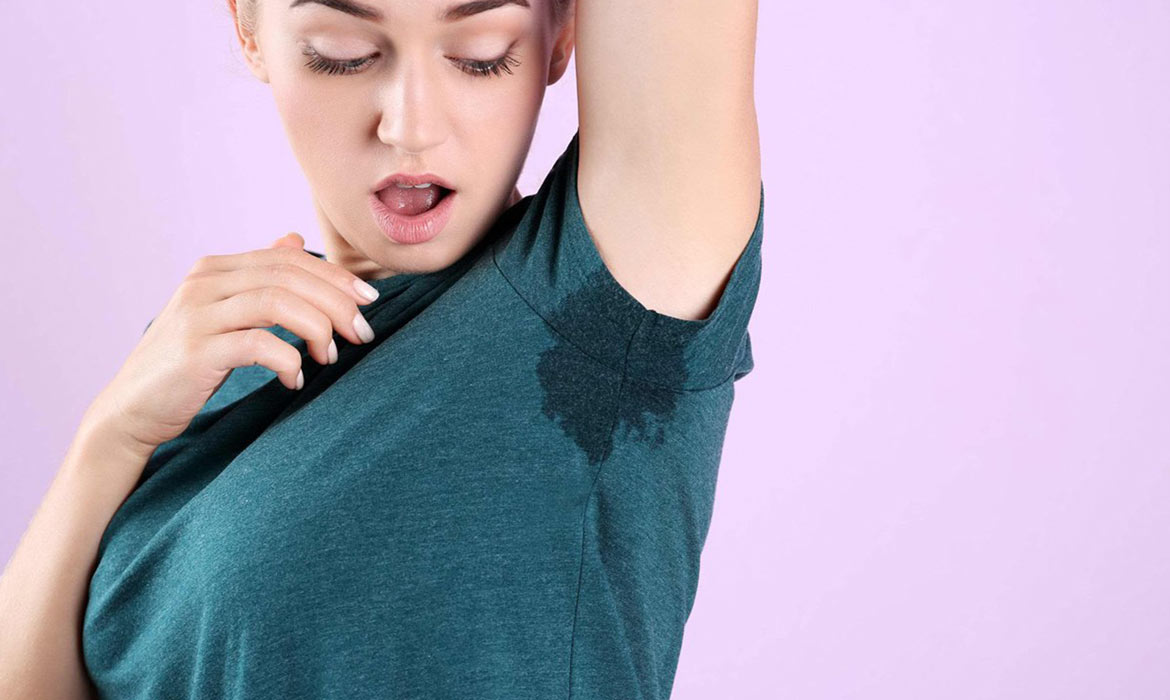

Psychological sweating is excessive sweating that occurs as a result of stress, anxiety, worry or other emotional reactions. This can be thought of as your body's cooling mechanism overworking. Psychological sweating is usually concentrated in areas such as the armpits, palms or soles of the feet and often causes the person to feel insecure or perceived as an embarrassing situation.
Causes of Psychological Sweating
Psychological sweating can have several different causes. This condition is often associated with stress, anxiety, depression or other emotional problems. Additionally, conditions such as traumatic experiences, social phobia, or performance anxiety may also contribute to psychological sweating. Some people may have a genetic predisposition, which may increase the risk of psychological sweating.
Psychological Sweating and Primary Hyperhidrosis
There are some differences between psychological sweating and primary hyperhidrosis. Primary hyperhidrosis is a medical condition often characterized by excessive sweating. This condition is associated with excessive sweating that is not triggered by psychological factors and is usually concentrated in areas such as the armpits, palms or soles of the feet. Psychological sweating is the excessive sweating that occurs in connection with emotional reactions. So, while there may be a connection between psychological sweating and primary hyperhidrosis, they are not the same thing.
The Effect of Psychological Sweating on Daily Life
Psychological sweating can create many difficulties that can affect daily life. Excessive sweating can be perceived as uncomfortable and embarrassing in social interactions. This may cause the person to feel insecure and avoid social activities. It can also limit clothing options and negatively impact a person's work or school performance. Psychological sweating is a condition that can negatively affect quality of life, and therefore coping strategies and treatment options are important.
Common Symptoms of Psychological Sweating
There are several common symptoms of psychological sweating. These include excessive sweating, damp hands or feet, bad odor caused by sweating, and stains on clothes due to sweating. Additionally, skin irritation, skin infections, or fungal infections may also be associated with psychological sweating. These symptoms are frequently experienced by people with psychological sweating and can negatively impact daily life.
Emotional Triggers of Psychological Sweating
Psychological sweating often occurs in connection with emotional triggers. Emotional reactions such as stress, anxiety, anger or embarrassment can trigger the sweating mechanism. For example, when giving a presentation or attending a social event, a person may feel stressed or anxious, which can lead to excessive sweating. A person can manage psychological sweating by recognizing these emotional triggers and developing coping strategies.
Methods to Cope with Psychological Sweating
Strategies for coping with psychological sweating can help a person reduce stress, use relaxation techniques, and manage emotional reactions. These include deep breathing, meditation, yoga or exercise, practicing stress management techniques, and doing relaxation exercises. Practical measures can also be taken, such as wearing comfortable clothes, using sweat-absorbing products or taking frequent showers. It should not be forgotten that each individual can benefit from different methods.
Getting Professional Help for Psychological Sweating
Psychological sweating may require professional help in some cases. It is important to consult a specialist, especially if sweating seriously affects daily life and quality of life or if coping strategies are inadequate. Psychologists or psychiatrists can provide support in dealing with psychological sweating and recommend medication if necessary. Professional help is an important step to manage psychological sweating and improve quality of life.
Treatment Options for Psychological Sweating
There are several different treatment options for psychological sweating. These treatment options may include therapy, medication, botulinum toxin injections, or surgery. Therapy can help recognize emotional triggers, learn stress management skills, and develop coping strategies. Medication can be used to control psychological sweating. Botulinum toxin injections can reduce sweating by temporarily inactivating the sweat glands. Surgical intervention may involve complete or partial removal of the sweat glands. Treatment options may vary depending on the individual situation and the severity of sweating.
 Call
Call
 Whatsapp