


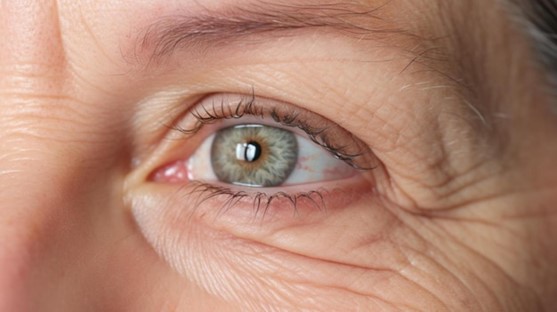

Ptosis can occur due to many different reasons. These include:
Congenital factors: Some people are born with congenital ptosis. This condition is associated with congenitally weak or underdeveloped eyelid muscles or nerves.
Aging: As we age, eyelid muscles may weaken and ptosis may develop.
Trauma: Trauma to the eyelids or around the eyes can increase the risk of ptosis.
Eye surgery: Ptosis may develop especially after eye surgery.
Ptosis symptoms and signs
Ptosis results in eyelid drooping. However, signs and symptoms of ptosis may vary from person to person. Some common symptoms are:
Drooping eyelid: This is the most obvious symptom. The eyelid droops from its normal position and may obstruct your vision.
Feeling of tiredness and heaviness in the eyes: People with ptosis may experience a constant feeling of tiredness or heaviness in their eyes.
Headache and fatigue: People with ptosis may experience constant headaches and fatigue. This may be because they make extra effort to keep their eyes open.
Ptosis diagnosis
Diagnosis of ptosis is usually made by an ophthalmologist. To evaluate eyelid drooping, the doctor performs a physical examination and evaluates the symptoms. Additionally, some tests may be done to check the movement of the eyes and determine the cause of ptosis.
These include:
Testing of eye muscles: The ophthalmologist may perform various tests to test the strength and movement of the eye muscles.
Vision tests: The ophthalmologist may perform various vision tests to evaluate your vision.
Photographing the eyelids: To document eyelid drooping, the ophthalmologist may take photographs.
Ptosis treatment methods
Treatment for ptosis may vary depending on the severity of symptoms and the cause of ptosis. Treatment options include:
Drug treatment: In cases of mild ptosis, medications can be used. These medications can increase the strength of the eyelid muscles and reduce drooping.
Glasses or contact lenses: In some cases, you can correct your vision by using glasses or contact lenses. This can relieve conditions that affect your vision due to ptosis.
Surgical intervention: Surgery is the most effective method of treating ptosis. In this procedure, the eyelid muscles or nerves are corrected and the eyelid is returned to its normal position.
Ptosis correction surgical procedures
Ptosis correction surgical procedures are usually performed under local anesthesia. These processes include:
Levator aponeurosis reattachment: In this procedure, the eyelid muscles are reconnected and the eyelid is lifted.
Frontalis muscle transfer: In this procedure, the eyelid is lifted using the forehead muscle.
Müller muscle reattachment: In this procedure, the eyelid muscles are realigned and the eyelid is lifted.
Ptosis surgery recovery and postoperative care
After ptosis surgery, your doctor will give you a specific recovery plan. This plan will guide you on what to pay attention to in the postoperative period. Generally, the ptosis surgery recovery process includes these steps:
First few days: Immediately after surgery, you may need to wear a bandage or special glasses to protect your eyelid. Also, side effects such as swelling and bruising are normal.
For a few weeks: For the first few weeks, your eyelid needs time to heal. During this time, you may need to avoid certain activities to protect your eyes.
Full recovery: The full recovery process varies from person to person, but usually takes several months. During the full recovery process, your doctor will perform regular check-ups and monitor recovery.
Ptosis in children
Ptosis can also be seen in children. Ptosis is more common in children due to congenital factors. This condition can affect the child's vision and have negative effects on his or her development. Therefore, if you notice symptoms of ptosis in your child, it is important to see an ophthalmologist.
Ptosis prevention and lifestyle tips
Although it is not possible to completely prevent the development of ptosis, you can reduce the risk with some lifestyle changes. Here are some tips to prevent the development of ptosis:
Pay attention to your eye health: To protect your eye health, have regular eye examinations and pay attention to eye hygiene.
Prevent eyestrain: Prolonged computer use or working at close range can cause eye strain. Therefore, it is important to take regular breaks and rest your eyes.
Healthy lifestyle: A healthy lifestyle helps you maintain your overall health and positively affects your eye health. It is important to get a balanced diet, regular exercise and adequate sleep.
 Call
Call
 Whatsapp