


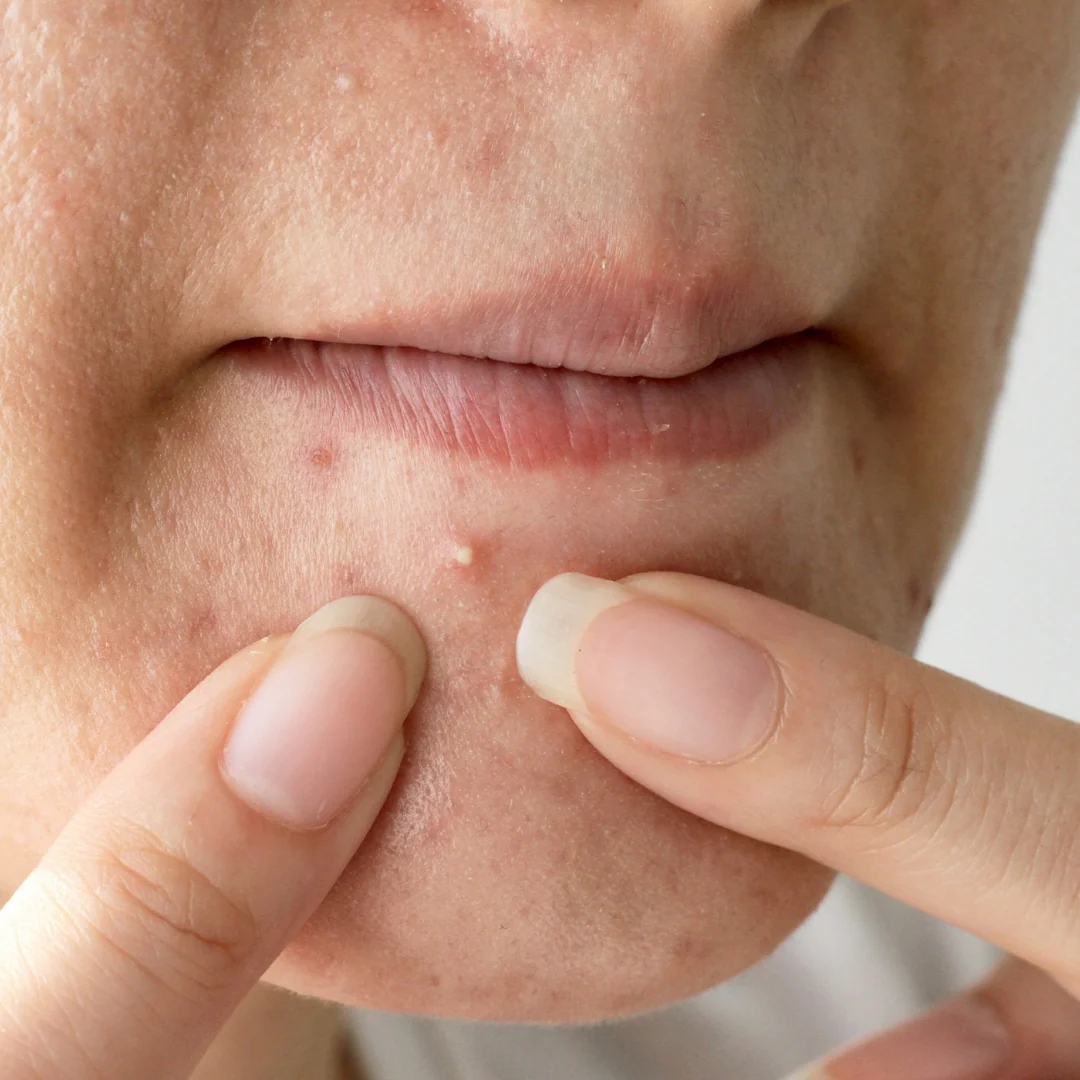

What is Purple Acne?
Purple acne is usually associated with inflamed and painful acne. Acne is an inflammation that occurs due to the blockage of pores in the skin. This condition often combines with bacteria and dead skin cells to increase inflammation. The purple color usually occurs as a result of blood vessels being affected. In other words, as a result of deep inflammation of the acne, blood accumulates under the skin, which leads to bruising.
Purple acne usually starts with swelling and redness. However, this type of acne can later turn into bruising. This indicates that the acne contains deeper and more intense inflammation. It is usually a condition that is more common in young people and those with oily skin.
What Causes Purple Acne?
Purple acne usually occurs due to inflammation and bacterial infections under the skin. Several factors can come into play in this process:
Severe Inflammation:
Purple acne occurs as a result of severe inflammation. When bacteria and oil glands under the skin become intensely inflamed, blood vessels dilate, causing the acne to bruise. These types of acne are usually deeper and more painful.
Skin Damage:
Frequent squeezing or using strong skin care products can damage the skin. The veins in the lower layer of the skin can be affected and bruising can occur.
Hormonal Changes:
Acne can be more severe, especially during periods when hormone levels change, such as puberty, menstruation or pregnancy. Hormones can trigger acne by increasing the skin's oil production. This can lead to bruised and inflamed acne.
Allergic Reactions and Sensitivity:
Some skin types may be more sensitive to the products used. Allergic reactions can cause swelling and bruising on the skin. Bruising can occur on the skin, especially when the wrong products are used.
Can Purple Acne Be Treated?
Purple acne is usually caused by deep inflammation, so it may take a little longer to treat. However, with the right treatment methods, such acne can heal in the near future. Here are some effective methods for treating purple acne:
Applying Cold Compress:
Applying cold compress on purple acne can reduce swelling and redness. It also prevents bruising by narrowing the blood vessels under the skin. Applying an ice pack or cold cloth for 10-15 minutes can be beneficial.
Topical Treatment Products:
Some topical treatment products used for purple acne can reduce inflammation and dry out acne. Products containing benzoyl peroxide, salicylic acid and niacinamide can soothe acne and speed up the healing process. However, before using these products, you should make sure they are suitable for your skin type.
Laser Treatment and Chemical Peeling:
If purple acne is deep and will leave a scar, professional treatment options such as laser treatment and chemical peeling can be used. Laser treatment repairs the damage under the skin, allowing the blood vessels to return to normal and reducing bruising. Chemical peeling cleans dead cells on the skin surface, providing a healthier skin appearance.
Antibiotic Treatment:
If purple pimples are caused by bacterial infection, antibiotic treatment may be required. This treatment can prevent the spread of pimples and reduce inflammation.
Measures That Can Be Taken at Home for Purple Pimples
Taking some precautions when treating purple pimples at home can speed up the healing process and prevent the formation of new pimples:
Do Not Squeeze Pimples:
Squeezing or popping purple pimples can cause further damage to the vessels under the skin. This increases bruising and scarring. Avoid squeezing pimples.
Gentle Skin Care:
Purple pimples are more common in sensitive skin. Therefore, avoid using harsh products in skin care. Using gentle cleansers and moisturizers supports skin health.
Maintaining the Oil Balance in the Skin:
Acne formation can be more common in oily skin. Therefore, it is important to maintain the oil balance in the skin and prevent pores from clogging. You can use oil-balancing masks and cleansing toners several times a week.
Sun Protection:
Purple pimples can become more visible when exposed to the sun. Sunlight can further increase bruising and inflammation on the skin. Therefore, it is important to use high-factor sunscreen.
In Conclusion
Purple pimples usually occur as a result of deep inflammation and can take a little longer to treat. However, with the right care, treatment and patience, these pimples can heal over time. Skin care, cold compresses, topical treatment products and professional help can speed up this process. If purple pimples do not go away or spread further, it is important to see a dermatologist.
 Call
Call
 Whatsapp