


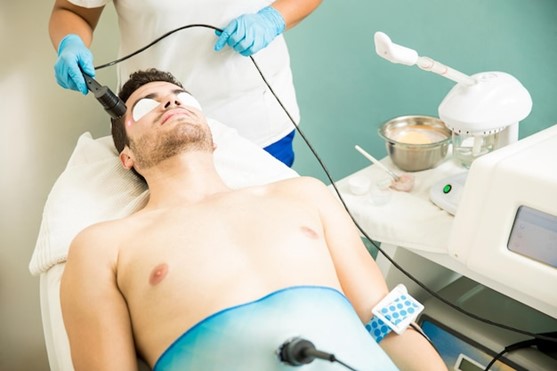

Radiofrequency therapy works by applying radio waves under the skin. These waves provide energy to the targeted area under the skin. This energy warms the skin tissues and increases collagen production. Since collagen is a protein that tightens the skin, radiofrequency treatment can reduce skin sagging and wrinkles.
Another advantage of radiofrequency treatment is that it usually does not require surgical intervention. Therefore, patients can achieve the results they want without the risk of surgery. Additionally, radiofrequency therapy can easily accompany other treatments and offer faster recovery times.
Advantages of Radiofrequency Treatment
Radiofrequency treatment has many advantages. First, this treatment method is minimally invasive, meaning it does not require any cuts or stitches in the skin. Therefore, recovery time can be quite short. Additionally, radiofrequency treatment is generally painless and does not require anesthetics.
Radiofrequency treatment can provide effective results on the skin. It is a preferred treatment to tighten the skin, reduce wrinkles and achieve a youthful appearance. It can also reduce the appearance of blemishes and scars on the skin.
Radiofrequency therapy can also be used for body contouring and cellulite treatment. This treatment method targets fat cells in the body and breaks them down. Thus, it may be possible to obtain a tighter and more shaped body.
Conditions Used in Radiofrequency Treatment
Radiofrequency therapy can be used to treat various health problems. It is an effective method especially for skin problems. Radiofrequency treatment can be used to treat conditions such as sagging skin, wrinkles, blemishes, scars, acne scars and cellulite.
Additionally, radiofrequency therapy can also be used to treat pain. Conditions such as chronic pain, fibromyalgia, joint pain and muscle spasms can be relieved with radiofrequency therapy. This treatment method helps reduce pain signals by stimulating nerve endings.
Radiofrequency Treatment Procedure
Radiofrequency therapy is a procedure usually performed by a specialist. This treatment is performed using a radiofrequency device. After applying gel or cream to the treatment area, the device's probe is placed on the skin and radio waves are applied.
The procedure is usually quick and painless. Treatment duration may vary depending on the size of the area to be treated and the condition to be treated. After treatment, patients can usually return to their daily activities immediately.
Potential Side Effects and Risks of Radiofrequency Therapy
Radiofrequency therapy is generally considered safe. However, as with any medical procedure, there are some potential side effects and risks. The most common side effects include mild redness, swelling, and tenderness. These are usually short-term and mild.
In rare cases, complications such as infection, delayed wound healing, or skin discoloration may occur after radiofrequency treatment. Therefore, it is important to fully inform the specialist who will perform the treatment.
 Call
Call
 Whatsapp