



Laser hair removal is a popular method used to safely and effectively remove unwanted hair. This process is performed using a special laser device that targets melanin at the roots using light energy. Melanin forms the pigment of the hair follicles and is the target of the laser beams. Laser beams prevent hair growth by damaging the hair follicles, thus achieving long-term results.
Laser hair removal offers many advantages over traditional methods. It provides more permanent results, reduces hair growth and offers a less painful experience. In addition, it can be safely applied even in sensitive areas. Laser hair removal is a preferred method, especially in areas with frequent hair growth such as the legs, underarms, bikini area and face.
Side Effects of Laser Hair Removal
Laser hair removal is generally a safe procedure, but some side effects may occur. These include:
1. Temporary redness and swelling: Temporary redness and swelling may occur on the skin due to the effect of the laser beams. This is usually seen immediately after the procedure and disappears within a few hours.
2. Burning or swelling: Improper use at high energy levels or in sensitive areas can cause more serious side effects such as burning or swelling of the skin.
3. Color change: Laser beams can cause temporary color changes on the skin, especially in dark-skinned people. This is usually temporary and can take several weeks for the skin to return to normal.
4. Risk of infection: Small wounds on the skin surface during or after laser hair removal carry a risk of infection. Therefore, care should be taken with hygiene and care after the procedure.
These side effects are usually mild and can be easily managed with proper care and follow-up. However, if severe or persistent side effects occur, a healthcare professional should be consulted immediately.
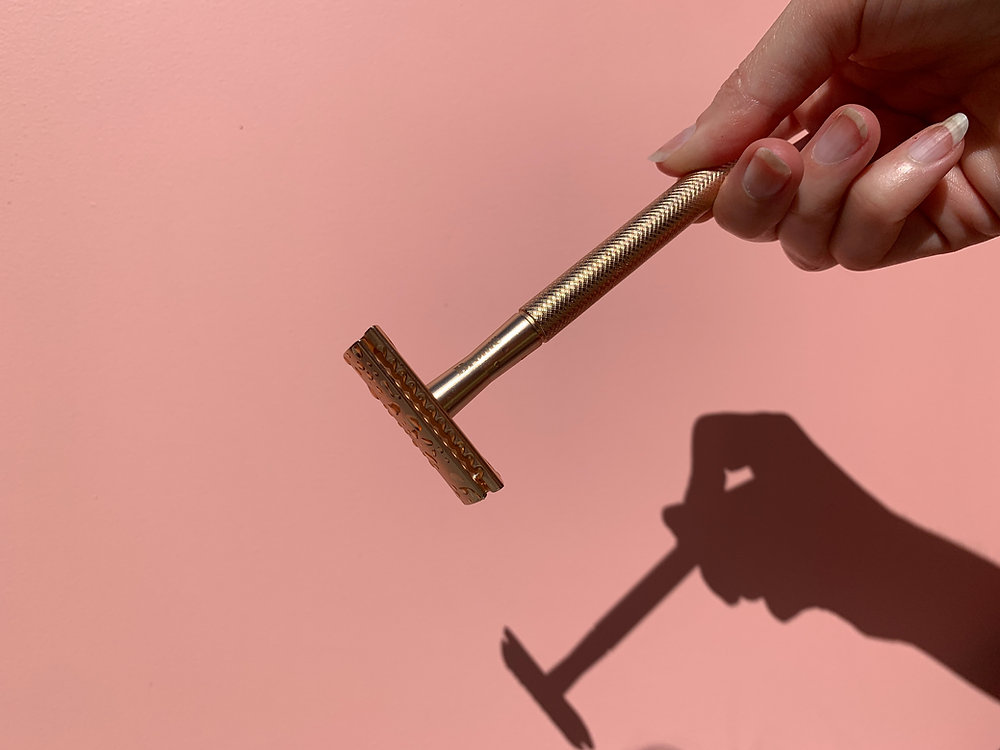
Reasons for Using a Razor After Laser Hair Removal
After laser hair removal, the need to use a razor decreases due to reduced hair growth and thinning of the hair. However, in some cases, it may be necessary to use a razor. The main reasons for this are:
5. Complete hair removal: Although laser hair removal targets the hair follicles, sometimes the hair on the surface may not be completely removed. Cleaning these hairs using a razor provides a smooth appearance.
6. Fast results: Laser hair removal slows down hair growth but does not provide instant complete hair removal. Fast and instant results can be achieved by using a razor.
7. Personal preference: Some people may have become accustomed to using a razor or may find it more comfortable to use a razor.
8. Special events: Before special days, holidays or important events, you may want to get an instant clean look by using a razor.
Therefore, using a razor after laser hair removal depends entirely on personal preference and need. However, it is important to be careful when using a razor and to pay attention to skin care.
Things to Consider When Using a Razor
When using a razor, the following points should be considered to protect skin health:
9. Hygiene: Make sure the razor is clean before each use. The razor should be washed and sterilized thoroughly after each use.
10. Skin Preparation: Wet the skin with warm water and use a softener before using the razor. This makes it easier to cut the hair.
11. Correct Technique: The razor should be moved in the opposite direction of hair growth, at a 30-45 degree angle to the skin. Use the razor with light movements without excessive pressure.
12. Skin Care: After using the razor, nourish the skin with moisturizers and soothing products such as aloe vera. This prevents skin irritation.
13. Frequency: Reduce razor use as much as possible. Do not use the razor until the hair is expected to grow.
14. Sensitive Areas: Be more careful when using the razor in more sensitive areas such as the bikini area and armpits. If necessary, prefer other methods instead of the razor in these areas.
If these points are taken into consideration when using the razor, skin health can be protected and unwanted side effects can be minimized.
 Call
Call
 Whatsapp