


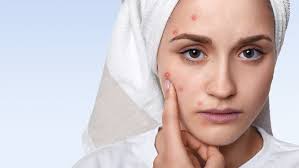

Why Do Red Itchy Pimples Form on the Body?
Red, itchy pimples on the body are usually one of the types of inflammatory acne. This type of acne occurs when the pores on the skin become clogged with oil and dirt. Bacteria multiply in these clogged pores and cause redness, inflammation and itching on the skin. Hormonal changes, excessive sweating, stress, wrong skin care products and some foods can also trigger the formation of this type of acne.
What Factors Are Effective for Itchy Pimples?
Itchy pimples usually occur due to inflammation on the skin. Excess sebum, dead skin cells and bacterial accumulation on the skin clog the pores and trigger acne. In addition, excessive sweating on the body, tight clothing or lack of hygiene can also lead to the formation of itchy pimples. Itching is a symptom of inflammation on the skin and can pose a risk of infection if left untreated.
Cream Selection for Red Itchy Pimples
Creams used for red and itchy pimples should generally have anti-inflammatory properties. Ingredients such as benzoyl peroxide and salicylic acid can reduce inflammation and soothe inflammation in the skin. Creams containing cortisone can also help relieve itching. However, since long-term use of products containing cortisone can cause thinning of the skin, it is recommended that they be used only for short periods of time. It will be beneficial to choose creams that are suitable for your skin type, are light and have a soothing effect.
Natural Methods to Reduce Itching
There are also natural methods to reduce itching. Aloe vera is often used for its soothing and anti-inflammatory effects. Similarly, tea tree oil can be effective on pimples thanks to its antibacterial properties. Oatmeal baths can relieve itching with their soothing properties. These natural methods can help reduce itching while calming the skin, but it is recommended that natural treatment methods be used with a doctor's approval.
Skin Cleansing and Hygiene
Regular skin cleansing is of great importance for red and itchy acne on the body. The body sweats and gets dirty during the day. If this dirt and sweat stay on the skin for a long time, it causes the pores to clog and acne to form. Avoid using overly harsh products for skin cleansing; instead, prefer gentle cleansers suitable for your skin type. In addition, taking a shower after sweating on the body prevents sweat from accumulating on the skin and reduces acne formation.
Avoid Tight Clothing
Red and itchy acne on the body can be caused by tight and tight clothing. Especially synthetic fabrics prevent the skin from breathing, which causes sweat to accumulate on the skin. It would be beneficial to prefer cotton, comfortable clothing to allow the skin to breathe. In addition, changing clothes frequently when sweating increases on the body can also help reduce acne.
The Effect of Diet on Acne
The foods you eat have a direct effect on your skin. Sugary, oily and processed foods can increase inflammation in the skin and cause acne to get worse. For red and itchy acne on the body, it is important to pay attention to your diet. Fruits and vegetables rich in antioxidants support skin health. In addition, foods containing omega-3 fatty acids can help reduce inflammation. Drinking plenty of water is also very beneficial for your skin health.
The Effect of Stress on Acne
Stress is an important factor that directly affects skin health. Stress hormones can increase oil production in the body and cause acne to increase even more. Stress management is of great importance in reducing red and itchy acne on the body. Relaxation methods such as meditation, yoga or deep breathing techniques both help combat stress and accelerate the healing of your skin.
Get Professional Help
If red and itchy acne on the body does not go away for a long time, it would be best to get help from a professional dermatologist. Dermatologists can examine your skin type and offer you special treatment options. In addition, acne can be healed more quickly with prescription medications and treatment methods.
 Call
Call
 Whatsapp