


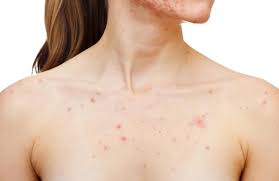

Why Do Red Spots Form on the Skin?
The appearance of red spots on the skin can be caused by many different reasons. These spots usually occur due to the dilation of the blood vessels under the skin, inflammation or allergic reactions. Red spots can usually be temporary, but in some cases, they may require longer-term treatment. Factors affecting the formation of red spots include skin structure, environmental factors and genetic factors.
The Most Common Causes of Red Spots
Red spots on the skin can occur for many different reasons. Here are some of them:
Allergic Reactions: Red spots can form on the skin as a reaction of the body to allergens. Especially newly used cosmetic products, soaps or foods can cause allergic reactions. Allergic rashes are usually seen together with itching.
Acne (Pimples): Acne is a common skin problem, especially during adolescence, and can cause red spots to form on the skin. Pimples are usually inflamed and the skin around them becomes red. These spots can heal over time with acne treatment.
Vascular Spots: These types of spots are caused by the expansion of blood vessels under the skin. One of the most common types of vascular spots is thin blood vessel expansion known as "spider veins". These spots are usually reddish in color.
Eczema and Dermatitis: Skin diseases such as eczema and dermatitis, which cause inflammation on the skin, can also cause red spots. These diseases are usually accompanied by itching, dryness and redness.
Sunburn: Sunburns caused by excessive exposure to the sun can cause red spots to spread on the skin. The harmful UV rays of the sun cause inflammation and red spots on the skin.
Small Hemorrhages (Petechiae): Tiny hemorrhages caused by the rupture of small blood vessels under the skin can also cause red spots. These spots are usually widespread on the body and can sometimes indicate a serious health problem.
Treatment of Red Spots
Red spots can usually be treated, but the treatment method varies depending on the cause of the spot. Here are the most common treatments:
Topical Creams and Medications: For red spots caused by allergic reactions or conditions like eczema, doctors often prescribe corticosteroid creams or antihistamines. These medications help reduce inflammation and itching, helping the spot to heal.
Laser Treatment: Sometimes if red spots on the skin are caused by vascular problems, laser treatment can be effective. The laser light targets the blood vessels under the skin, helping the spots disappear. This treatment usually requires several sessions.
Acne Treatment: Red spots caused by acne will improve as the acne is treated. Topical creams, antibiotics, or laser treatment used to treat acne can help eliminate both the acne and any remaining scars.
Moisturizing and Anti-Inflammatory Products: Moisturizing and anti-inflammatory products can be used for skin conditions like eczema and dermatitis. When applied to dry, sensitive areas of the skin, these products can reduce inflammation.
Sunscreen Use: For red spots caused by sunburn, sun exposure should be avoided and sunscreen creams should be used. Cold compresses and moisturizing products can also be helpful in the treatment of sunburn.
Precautions That Can Be Taken to Prevent Red Spots
Some precautions can be taken to prevent the formation of red spots on the skin. Here are some tips that can help in this regard:
Regular Skin Care: Regular skin care with products suitable for your skin type can help prevent red spots. It is important not to neglect the cleaning, moisturizing and sun protection steps.
Avoiding Allergens: If red spots on the skin are caused by allergic reactions, it is important to determine which products are causing the allergy and avoid them.
Sun Protection: Using sunscreen to avoid excessive sun exposure can help prevent sunburn and red spots. It is especially beneficial to use products with SPF protection when going out in the summer months.
Healthy Lifestyle: Getting enough sleep, eating a balanced diet and staying away from stress will help your skin look healthy. A healthy lifestyle can reduce inflammation and the formation of red spots on the skin.
In Conclusion...
Red spots on the skin are usually harmless, but they can cause aesthetic concerns. There can be many different factors that affect the formation of the spot, and the treatment method varies depending on the type of spot. Simple measures such as regular skin care, avoiding allergens and sun protection play an important role in maintaining skin health. If red spots persist, consulting a dermatologist will help you find the best solution.
 Call
Call
 Whatsapp