


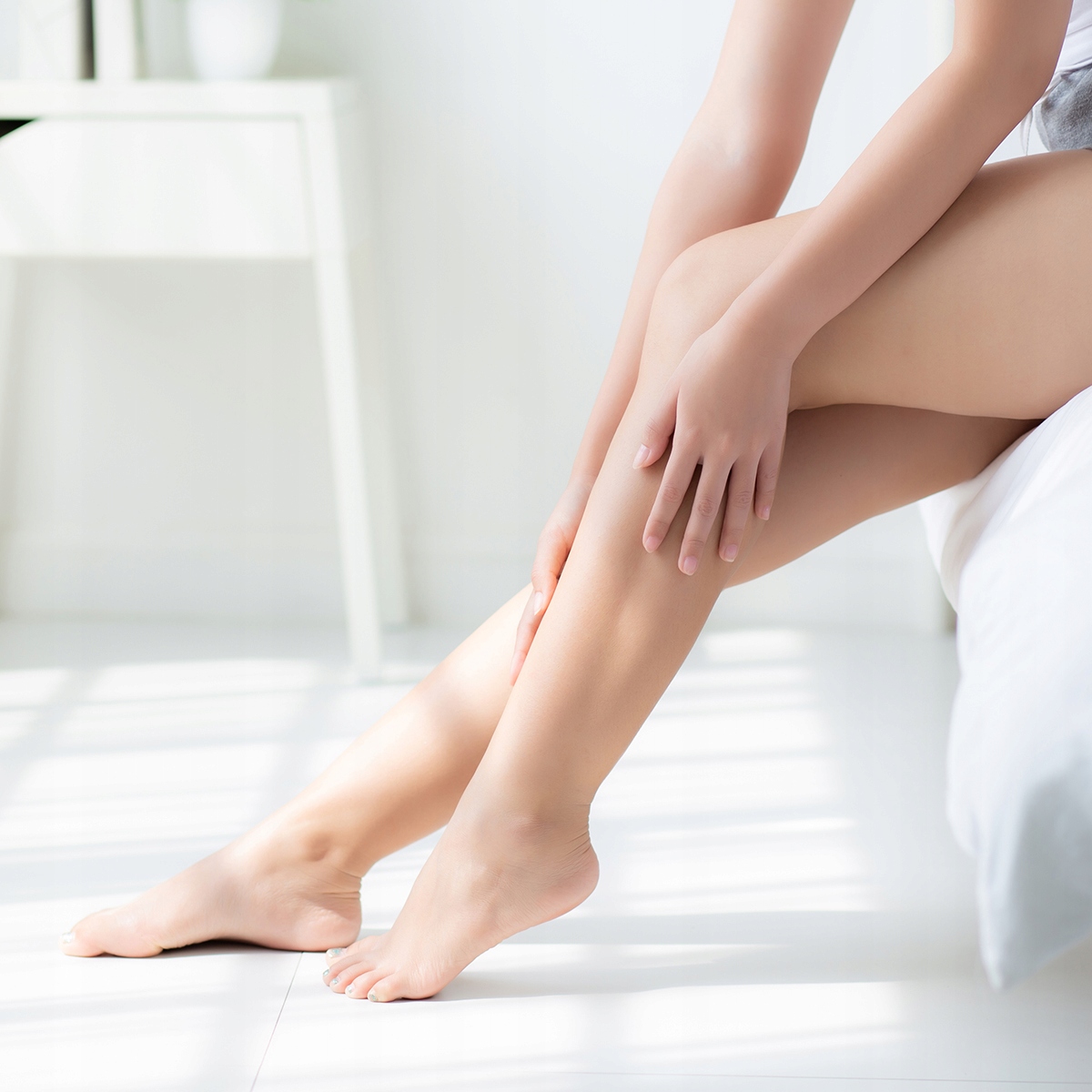

Laser epilation is a highly effective method used to eliminate unwanted hair from the root. Thanks to high-energy light beams, it prevents hair growth by damaging the pigment cells in the hair roots. In this way, there is no hair growth for a long time and a smooth skin is obtained.
Laser epilation is a safe and painless procedure that can be applied to every part of the body. It is often preferred especially in areas with high hair density such as legs, arms, bikini area, armpits. It can also be used in the beard area and back area in men.
Laser epilation usually takes 6-8 sessions and each session lasts approximately 15-30 minutes. A slight heat may be felt during the procedure, but most people do not find it disturbing. Temporary side effects such as redness, swelling and tenderness may be observed after the application.
Why Does Redness Occur After Laser Epilation?
During the laser epilation procedure, high-energy light beams damage the roots of the hair. In the meantime, some damage occurs on the skin surface. This may cause temporary side effects such as redness, swelling and tenderness on the skin. Redness is caused by the thermal damage that laser beams give to the skin surface. While the light beams reach the pigment cells of the hairs, they can also damage the small blood vessels on the skin surface. This causes the skin tone to turn red.
In addition, the mechanical effect of laser beams on the skin can also cause redness. The light beams irritate the cells on the skin surface, causing inflammation and redness.
The severity of redness can vary from person to person. Some people have more sensitive skin and may experience more pronounced redness. In addition, the applied laser power, skin type and the characteristics of the area also affect the degree of redness.
How Does Redness Go Away After Laser Epilation?
Redness that occurs after laser epilation usually goes away on its own within a few hours. However, in some cases, the redness can last for 1-2 days.
In order for the redness to go away, it is important to rest the skin after the procedure and to provide appropriate care. You can make the redness go away faster by following the steps below:
1. Cold application: After laser epilation, cold application can be applied to reduce redness and swelling on the skin. Ice cubes or cold compresses can be applied to the skin for 10-15 minutes.
2. Using moisturizer: The skin should be moisturized after the procedure. Moisturizing creams specially developed for sensitive skin should be preferred.
3. Sun protection: If redness and sensitivity continue, it is important to protect from sun rays. Products with sun protection factor should be used.
4. Light make-up: If redness is noticeable, it can be covered with concealer or foundation. However, it is better not to use make-up until the skin has completely healed.
5. Calming products: Calming and soothing products can be applied to the skin to reduce inflammation.
6. Rest: Resting is important for the skin to heal after the procedure. No action should be taken on the skin for 1-2 days for the redness and sensitivity to go away.
Redness usually goes away within 1-2 days. However, in some cases, it may take longer. If redness, swelling or pain persists, a specialist should be consulted immediately.
Methods for Dealing with Redness After Laser Epilation
Redness after laser epilation is a temporary condition and usually goes away on its own within a day or two. However, sometimes the redness may last longer or be severe. In this case, you can deal with the redness with the following methods:
7. Cold Application: By applying ice cubes or cold compresses to the reddened area, you can slow down blood circulation and reduce inflammation.
8. Moisturizers: Moisturizing creams specially developed for sensitive skin help repair the reddened area.
9. Sun Protection: Reddened skin should be protected from sunlight. Use sunscreens with a high protection factor.
10. Light Makeup: You can use concealer or foundation to cover the redness. However, avoid wearing makeup until the skin has completely healed.
11. Calming Products: Apply calming and soothing products to the skin to reduce inflammation.
12. Rest: It is important to rest after the procedure for the skin to heal. Do not perform any procedures on the skin for 1-2 days to allow the redness and sensitivity to subside.
If redness, swelling or pain persists, it is recommended that you consult a specialist immediately. Some people may have more severe reactions because they have more sensitive skin. Your doctor can recommend appropriate treatment methods for you.
 Call
Call
 Whatsapp