


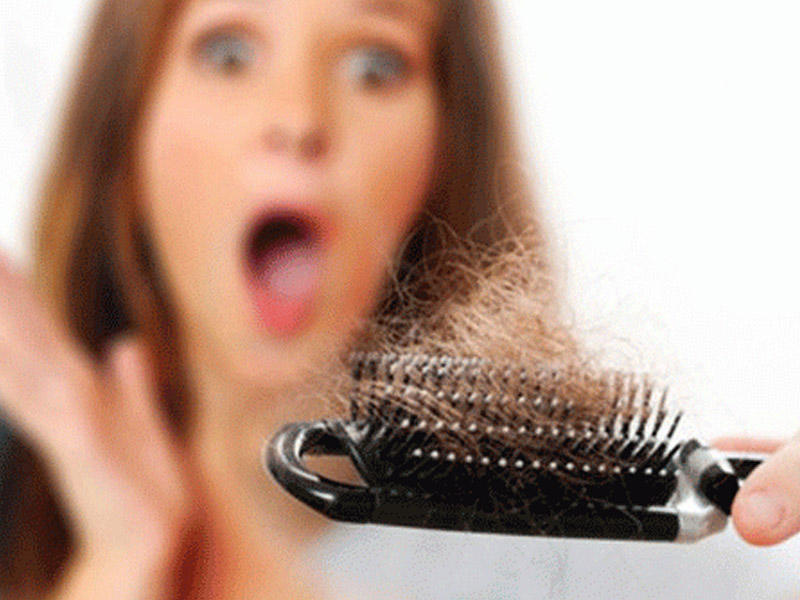

The causes of hair loss may be various. Stress, hormonal changes, nutritional deficiencies, medication use, diseases and genetic factors are among the main causes of hair loss. Although hair loss is usually a temporary problem, in some cases it can become permanent.
Causes of Hair Loss
Stress: Intense stress can negatively affect hair follicles and cause hair loss. Stress increases the body's production of cortisol, which can disrupt the hair cycle.
Hormonal Changes: Hormonal changes such as pregnancy, postpartum period, menopause or thyroid disorders can lead to hair loss.
Nutritional Deficiencies: Nutrient deficiencies such as iron, zinc, protein, vitamin B12 and vitamin D can negatively affect hair health.
Medication Use: Some medications, such as cancer treatment drugs, antidepressant medications or blood thinners, can cause hair loss.
Diseases: Some health problems such as thyroid disorders, iron deficiency anemia, lupus, polycystic ovary syndrome can also lead to hair loss.
Genetic Factors: Some people may be more prone to hair loss due to their genetic predisposition.
Precautions That Can Be Taken to Prevent Hair Loss
Stress Management: You can reduce your stress level with methods such as regular exercise, meditation, yoga and relaxation techniques.
Balanced Nutrition: Create a diet plan that includes nutrients necessary for hair health (iron, zinc, protein, vitamin B12 and vitamin D).
Medication Use: If there are medications that can cause hair loss, talk to your doctor and get information about alternative medications.
Hair Care: Wash your hair gently, avoiding excessive heat and chemicals. Regular hair care can help prevent hair loss.
Health Checks: Get regular health checks to detect underlying health problems such as thyroid disorders and iron deficiency.
Natural Methods to Treat Hair Loss
Vegetable Oils: Vegetable oils such as coconut oil, argan oil, almond oil and olive oil can reduce hair loss by nourishing the hair follicles.
Herbal Supplements: Herbal supplements containing saw palmetto, black cumin, zinc and biotin can support hair health.
Massage Techniques: Massaging the scalp regularly can prevent hair loss by increasing blood circulation.
Natural Hair Care Products: Choosing chemical-free, natural-containing shampoos, conditioners and serums can benefit hair health.
Traditional Medicine Methods: Traditional medicine methods such as acupuncture, Ayurveda and Chinese medicine can be effective in reducing hair loss.
Medical Methods to Treat Hair Loss
Minoxidil: Minoxidil is an FDA-approved, topical medication that is effective in reducing hair loss and encouraging new hair growth.
Finasteride: Finasteride is an oral medication used in the treatment of male pattern hair loss. However, its use is not recommended in women.
Laser Therapy: Low-energy laser therapy (LLLT) can increase hair growth by stimulating hair follicles.
PRP (Platelet Rich Plasma) Treatment: PRP can support new hair growth by stimulating hair follicles.
Hair Transplantation: Hair transplantation is a surgical method that can be applied as a last resort for permanent hair loss.
Hair Care Products to Restore Hair Loss
Shampoos and Conditioners: Using shampoos and conditioners with active ingredients such as biotin, keratin and red ginseng can reduce hair loss.
Serum and Oils: Hair serums and herbal oils can prevent hair loss by nourishing the hair follicles.
Hair Tonics: Hair tonics containing caffeine, zinc and vitamin B can support hair growth.
Hair Supplements: It may be beneficial to use supplements containing vitamins and minerals that support hair health.
Hair Care Devices: Technological products such as laser comb devices and infrared light devices can be effective in reducing hair loss.
Lifestyle Changes to Deal with Hair Loss
Stress Management: Reduce your stress levels by doing stress-reducing activities such as regular exercise, meditation and yoga.
Balanced Nutrition: Plan a diet that includes nutrients essential for hair health (protein, iron, zinc, vitamin B12 and vitamin D).
Adequate Sleep: Sleeping 7-9 hours a day can help prevent hair loss.
Hair Care: Wash your hair gently, avoiding excessive heat and chemicals. Regular hair care is important in preventing hair loss.
Health Checks: Get regular health checks to detect underlying health problems.
 Call
Call
 Whatsapp