


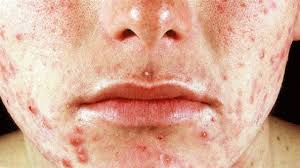

What is Retinol?
Retinol is a vitamin A derivative compound and is widely used in skin care. This compound, which ensures the renewal of skin cells and is known for its anti-aging effects, is also very effective in acne treatment. Retinol cleans dead cells on the skin surface, prevents pores from clogging and reduces inflammation, which helps prevent acne formation.
How Does Retinol Work in Acne Treatment?
Retinol plays an important role in acne treatment because it accelerates the renewal of skin cells. Acne usually occurs as a result of pores being blocked with oil and dead skin cells. Retinol eliminates this blockage by removing dead cells from the skin surface. In addition, interestingly, retinol regulates oil production in the skin, which reduces acne formation.
What Effects Does Retinol Show on Acne Scars?
Acne scars can become more visible over time due to the skin's natural healing process. Retinol can speed up the healing process of these scars. Acne scars can often be in the form of pigment changes (dark spots) or pits. Retinol helps the scars disappear faster by increasing cell renewal in the skin and provides a more even skin tone. It also has anti-inflammatory properties to prevent the formation of acne scars.
Benefits of Using Retinol
Skin Renewal: Retinol accelerates the renewal of skin cells, making the skin look fresher and healthier.
Cleansing of Pores: It opens clogged pores that cause acne, thus preventing the formation of new acne.
Pigmentation Correction: Lightens dark spots on the skin, especially acne scars, and helps even out skin tone.
Oil Production Regulation: It controls excess oil production in oily skin, thus preventing acne formation.
How Should Retinol Cream Be Used?
There are some important points to consider when using retinol cream. First, retinol should be used at night. Because retinol is a sun-sensitive compound and can cause skin irritation when exposed to sunlight. It should be applied as a thin layer to cleansed and dried skin before going to bed at night. It is recommended to use it 2-3 times a week at first, because the skin may be sensitive until it gets used to retinol. Over time, the frequency of use can be increased. In addition, it is very important to protect the skin from the sun while using retinol; because retinol can cause pigmentation changes in the skin.
How Does Retinol Affect Skin Types?
Although retinol is generally effective for every skin type, there are points to be considered when using it according to skin type:
Oily Skin: In oily skin, retinol regulates the production of excess oil in the skin and prevents acne formation.
Dry Skin: In dry skin, retinol can dry the skin. Therefore, it is recommended to support it with moisturizing creams for dry skin.
Sensitive Skin: In sensitive skin, retinol can cause slight irritation at first. Therefore, it may be necessary to start with a lower concentration.
How Long Does It Take for Retinol to Take Effect in Acne Treatment?
The effects of retinol in acne treatment may vary depending on your personal skin type and the severity of acne. The first effects are usually observed within 2-4 weeks. However, the full recovery process can take 3-6 months. Regular use provides faster and more permanent results. However, retinol provides long-term benefits not only in acne treatment, but also as a skin rejuvenation and anti-aging treatment.
Things to Consider When Using Retinol
There are some points to consider when using retinol:
Using Sunscreen: Sensitivity to sunlight increases while using retinol. Therefore, you should definitely use sunscreen with a high SPF during the day.
Allergic Reactions: Although rare, retinol can cause allergic reactions in some people. If you experience effects such as redness, burning sensation or flaking on the skin, you should stop using it and consult a dermatologist.
Start with a Low Dose at the Beginning: Low concentration products should be preferred at the beginning until the skin gets used to retinol and the frequency of use should be increased slowly.
In Conclusion
Retinol is a very effective compound in acne treatment and provides many benefits for skin health. It regulates oil production in the skin, cleans pores and encourages skin cell renewal. However, regular use and proper skin care are very important to fully benefit from the effects of retinol. If you are considering using retinol for acne treatment, it would be beneficial to first get advice from a dermatologist and learn about the most appropriate product and method of use.
 Call
Call
 Whatsapp