


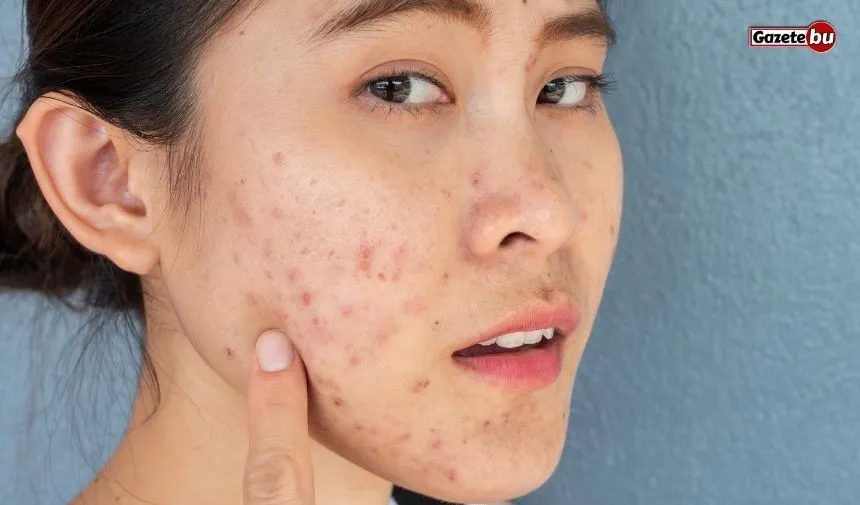

What is Roaccutane Acne Medication and How is it Used?
Roaccutane is a powerful drug used especially in severe and treatment-resistant acne cases. It prevents acne formation to a great extent by causing the oil glands in the skin to shrink. However, due to its strong effects, it should be used with caution and should definitely be taken under the supervision of a doctor.
What is Roaccutane?
Roaccutane is a drug containing the active ingredient called isotretinoin. This substance is a derivative of vitamin A and causes the oil glands in the skin to shrink and oil production to decrease. It is used effectively especially in stubborn and severe acne cases that do not respond to other treatments.
Active Ingredient: Isotretinoin
Form: Oral capsule
Purpose of Use: Severe cystic acne, nodular acne, acne conglobata and acne types resistant to other treatments.
How Does Roaccutane Work?
Roaccutane works by significantly reducing the activity of the oil glands in the skin. This effect helps eliminate the root causes of acne formation.
Reduces Sebum Production: Prevents the skin from producing excess oil. This prevents pores from clogging.
Cleans Pores: Shrinks the sebaceous glands, allowing pores to remain more open.
Prevents Bacterial Growth: Eliminates the breeding ground for acne-causing bacteria.
Reduces Inflammation: Relieves inflammation in the skin and accelerates the healing of acne.
In Which Cases Is Roaccutane Used?
Roaccutane is usually prescribed for severe acne that does not respond to other treatments. It is especially preferred in the following cases:
Cystic Acne: Deep, inflamed and painful acne.
Nodular Acne: Hard and painful lesions that form in the deep layers of the skin.
Acne Conglobata: Severe acne in which multiple nodules and cysts merge to form large lesions.
Treatment Resistant Acne: Types of acne that do not respond to other topical or oral treatments.
How to Use Roaccutane?
Roaccutane should definitely be used under the supervision of a dermatologist. Since the drug has strong effects, the dosage may vary from person to person.
Dosage: It is usually determined according to body weight. The initial dose can be kept low and increased over time.
Duration: The duration of treatment usually varies between 4-6 months. However, it can be used for a longer or shorter period according to the doctor's recommendation.
Taken in Capsule Form: The drug should be taken with meals.
Regular Checks: Blood tests are performed regularly during the treatment process. Especially liver functions and blood fats are monitored.
Things to Consider When Using Roaccutane
Since Roaccutane is a strong drug, some rules should be followed during use.
Pregnancy: Roaccutane can cause serious birth defects in the unborn baby. Therefore, pregnancy should definitely be avoided during treatment and for at least one month after the end of treatment.
Birth Control: For female patients, it is mandatory to use an effective birth control method during the treatment process.
Sun Protection: The skin may become sensitive to the drug. Sun exposure should be avoided and sunscreen should definitely be used.
Moisturizer Use: Roaccutane can dry the skin severely. Appropriate moisturizers should be used for the lips, face and body.
Blood Tests: Liver function and cholesterol levels should be checked regularly.
Alcohol Consumption: Alcohol should be avoided as much as possible as it can create an additional burden on the liver.
Side Effects of Roaccutane
Since Roaccutane is a strong drug, it can cause some side effects. These side effects usually occur during the treatment period and decrease at the end of the treatment.
Common Side Effects:
Dry skin (especially lips and face)
Dry eyes
Dry and bleeding nose
Joint and muscle pain
Serious Side Effects:
Vision and hearing problems
Liver dysfunction
Increased cholesterol levels
Symptoms of depression
If serious side effects are experienced, a doctor should be consulted immediately.
Effect of Roaccutane on Acne Scars
Roaccutane is generally used to treat active acne. However, since it prevents acne formation, it can be effective in preventing new scars from forming.
Active Acne: Provides effective treatment.
Effect on Scars: Roaccutane does not directly treat acne scars. However, since it prevents new scars from forming, it provides a general improvement in the skin. Different treatment methods (such as laser, chemical peeling) can be applied for deep and old scars.
Conclusion
Roaccutane is an effective drug in the treatment of severe and treatment-resistant acne. However, due to its strong effects, it should definitely be used under the supervision of a doctor and regular follow-up should be done. If your acne does not go away despite treatment or leaves scars, it would be best to consult your dermatologist and evaluate appropriate treatment options.
 Call
Call
 Whatsapp