


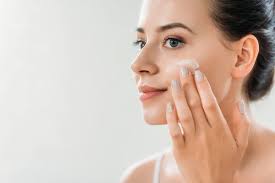

Changes in the Skin After Roaccutane Treatment
Roaccutane is an effective drug in the treatment of acne and is successful in eliminating acne problems on the skin for many people. However, some people may develop spots and scars on their skin after the treatment process. Roaccutane can dry and sensitize the skin, which can cause spots to become more visible after treatment. In addition, the treatment process changes the speed of skin renewal, which can lead to pigmentation problems. Therefore, it is important to take care of your skin after Roaccutane treatment and apply appropriate treatment methods for spots.
Choice of Cream for Spot Treatment After Roaccutane
Creams used in the treatment of spots formed after Roaccutane should generally have soothing, moisturizing and spot-removing properties. Since the skin is quite sensitive after treatment, the content and formulation of the creams used are very important. Some cream options that can be preferred for spot treatment on the skin after Roaccutane:
Whitening and Spot Lightening Creams: The color of dark spots on the skin can be lightened with whitening creams. Creams containing vitamin C are often preferred to lighten the color of spots. In addition, products containing alpha-hydroxy acid (AHA) can help to even out skin tone by exfoliating dead skin cells.
Moisturizing and Repairing Creams: After Roaccutane, the skin may lose moisture, which can cause more spots. Therefore, using intensive moisturizing and repairing creams can accelerate skin renewal. Moisturizers containing hyaluronic acid deeply moisturize the skin and strengthen the skin's natural barrier.
Creams Containing Retinol: Retinol is an effective compound that accelerates skin renewal and corrects pigmentation problems. After Roaccutane treatment, creams containing retinol can be used to provide faster renewal on the skin. However, since retinol creams can cause sensitivity to the sun, night use should be preferred.
Sun Protection for Spot Treatment After Roaccutane
After Roaccutane treatment, the skin becomes very sensitive to the sun. Therefore, it is very important to use a high protection factor sunscreen when going out in the sun during and after the treatment process. Sunlight can cause spots on the skin to darken even more. In order to accelerate the healing process of the skin and prevent spots from increasing, sunscreen should be used every day. Sunscreens with SPF 50 and above create a strong protective barrier on the skin.
Skin Care After Roaccutane and Being Patient
Patience is very important in spot treatment after Roaccutane. The skin renews over time after treatment and it may take a few months for the spots to completely disappear. Applying your skin care routine regularly and continuing the treatment will help you achieve successful results in the long term. Things to consider in skin care:
Gentle Cleansing: Considering the sensitivity of the skin, it is important to use gentle cleansing products. Harsh cleansers can weaken the protective barrier on the skin and negatively affect spot treatment.
Skin Masks: You can use masks that will remove dead cells from the skin once or twice a week. These masks can accelerate skin renewal and help spots disappear faster.
Skin Moisturizers: You should use moisturizers regularly to prevent the skin from drying out and to support its healing. The more moist the skin is, the faster the treatment process will be.
In Conclusion
After Roaccutane treatment, spots and marks on the skin can be treated. In this process, it is very important to choose the right cream and care products. Using whitening, moisturizing and skin renewing products will speed up the healing of the skin and reduce the appearance of spots. However, it is best to consult your dermatologist before starting the treatment and use products suitable for your skin type. Paying attention to skin care after Roaccutane will ensure that you are successful in both removing spots and achieving a healthy skin appearance.
 Call
Call
 Whatsapp