


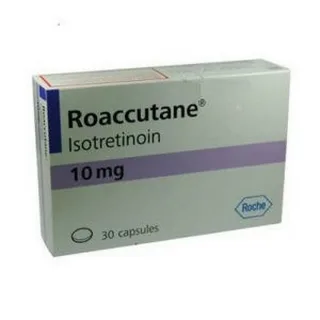

Roaccutane prevents acne by reducing the production of oil glands. It also suppresses inflammation and bacterial growth. In this way, it helps to heal acne lesions on the skin and prevent the formation of new lesions.
Roaccutane is often prescribed by doctors in severe acne cases. Roaccutane is recommended especially in cases where other acne treatments are not effective. Regular doctor check-ups are extremely important during the treatment process.
Side Effects of Roaccutane
There may be some side effects of Roaccutane use. These side effects include dryness, sun sensitivity, headache, muscle and joint pain, depression and liver dysfunction.
Dryness
Roaccutane can cause dryness problems as it reduces oil production in the skin. In particular, dryness can be observed in the lips, eyes and skin. In this case, the use of moisturizers and lip balms may be useful.
Sun Sensitivity
Roaccutane causes the skin to become more sensitive to sunlight. Therefore, it is important to use a high protection factor sunscreen when going out in the sun and avoid the sun if possible.
Headache and Joint Pain
Headache and joint pain may occur during the use of Roaccutane. In these cases, it is necessary to contact your doctor and determine the appropriate treatment methods.
Depression
It is known that the use of Roaccutane can, although rarely, cause depression and mental health problems. Therefore, it is important to closely monitor your mental health during the treatment process and inform your doctor of any changes.
Liver Function Disorders
Roaccutane can negatively affect liver functions. It is necessary to monitor liver health by having regular blood tests during the treatment process.
Roaccutane Usage Process
Roaccutane treatment usually lasts 4-6 months. The duration of treatment may vary depending on the person's acne condition and the body's response to the medication.
During the treatment process, your doctor determines the Roaccutane dose specifically for the person. The dose is calculated according to body weight and is usually between 0.5-2 mg/kg per day.
During the first months of treatment, existing acne may worsen and new acne may appear. This is part of the acne healing process of Roaccutane. Your doctor will provide you with the necessary support during this transition period.
During treatment, it is extremely important to go to your doctor regularly and have the recommended blood tests. In this way, it will be possible to detect and manage possible side effects early.
What to Pay Attention to When Using Roaccutane?
The following points should be taken into consideration when using Roaccutane:
Doctor's Check-up: It is important to go to your doctor regularly and have the recommended blood tests during the treatment process.
Pregnancy Precautions: Roaccutane should not be used during pregnancy. It is necessary to use effective birth control methods during treatment.
Sun Protection: Since you become more sensitive to the sun while using Roaccutane, it is important to use a high protection factor sunscreen and avoid the sun.
Moisturizers: Since Roaccutane can cause side effects such as dryness and sensitivity on the skin, the use of moisturizers will be beneficial.
Alcohol Consumption: It is recommended to avoid alcohol consumption while using Roaccutane, as the negative effects of alcohol on the liver can increase.
Mental Health: It is important to closely monitor your mental health during treatment and inform your doctor of any changes.
Vitamins and Nutritional Supplements: It is necessary to determine vitamin and nutritional supplements in consultation with your doctor while using Roaccutane.
It is critical to stay in close contact with your doctor to ensure compliance with Roaccutane treatment and to manage possible side effects. In this way, you can effectively solve the problem of acne and achieve healthy skin.
 Call
Call
 Whatsapp