



Although the exact cause of rosacea is unknown, it is thought that some factors may trigger the disease. Genetic predisposition, sensitivity of skin vessels, inflammation and immune system disorders can be counted among the factors that play a role in the development of rosacea. Additionally, environmental factors and lifestyle can also increase rosacea symptoms. Hot weather, sunlight, alcohol, spicy foods, stress and some medications can trigger rosacea symptoms.
Symptoms of Rosacea
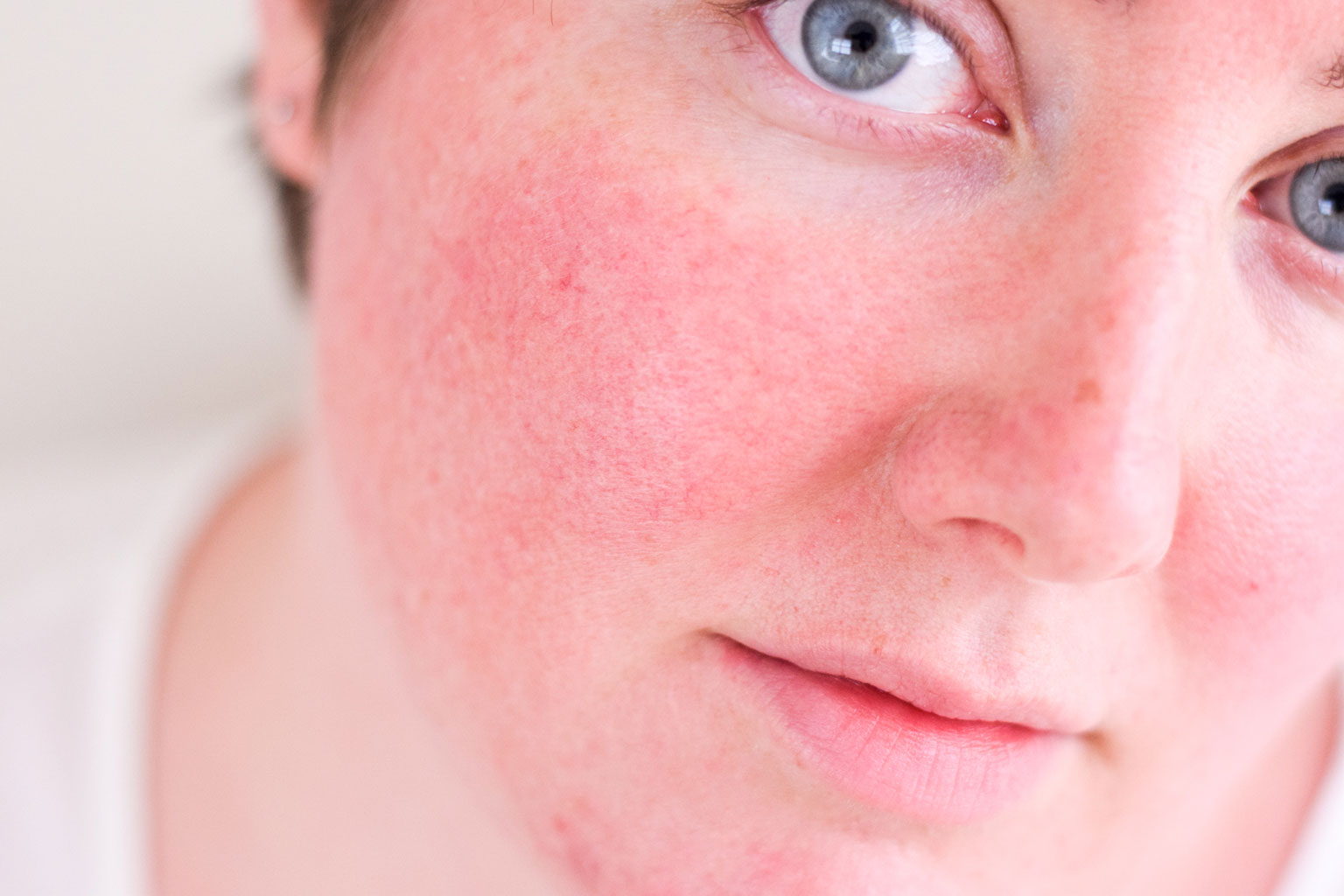
The symptoms of rosacea may differ from person to person. However, symptoms such as skin redness, swelling, burning sensation, acne and eye irritation are usually observed. Rosacea symptoms may increase periodically and become more severe. Additionally, in some cases, rosacea can lead to dry and irritated eyes, swelling of the eyelids, and vision problems.
Diagnosis of Rosacea
It is important to see a dermatologist to diagnose rosacea. The doctor will perform a skin examination to evaluate symptoms and make a diagnosis. He or she may also ask some questions to determine the patient's medical history and when and how symptoms appeared. In some cases, other tests may be done to diagnose rosacea. For example, a skin biopsy may be used to rule out other skin diseases or to diagnose another condition along with rosacea.
Rosacea Treatment Options
Treatment for rosacea varies depending on the severity of symptoms and the patient's needs. Although rosacea cannot currently be completely cured, it is possible to control symptoms and slow the progression of the disease. Some methods used to treat rosacea include topical medications, oral medications, laser therapy, and light therapy. Your doctor will determine the most appropriate treatment method.
Lifestyle Changes to Manage Rosacea
It is important to make some lifestyle changes to relieve and control rosacea symptoms. First of all, it is important to use sunscreen and protect the skin from sunlight. It may also help to reduce stress and avoid triggers such as spicy foods, alcohol and hot drinks. It is also important to use gentle cleansers and moisturizers to avoid irritating the skin. Additionally, a healthy diet and regular exercise can help keep rosacea symptoms under control.
Skin Care Routine for Rosacea
It is important to follow the right skin care routine to treat rosacea. First, you should gently cleanse your skin and avoid irritating it. Gently cleanse your skin using a gentle cleanser and then apply a light moisturizer. Additionally, using sunscreen is important to protect the skin from the harmful effects of the sun. Some specific skin care products are also available to relieve rosacea symptoms. It is important to consult with your dermatologist before using these.
rosacea
Free Information,
Consultation and Appointment Request
 Call
Call
 Whatsapp