



What is Rosacea?
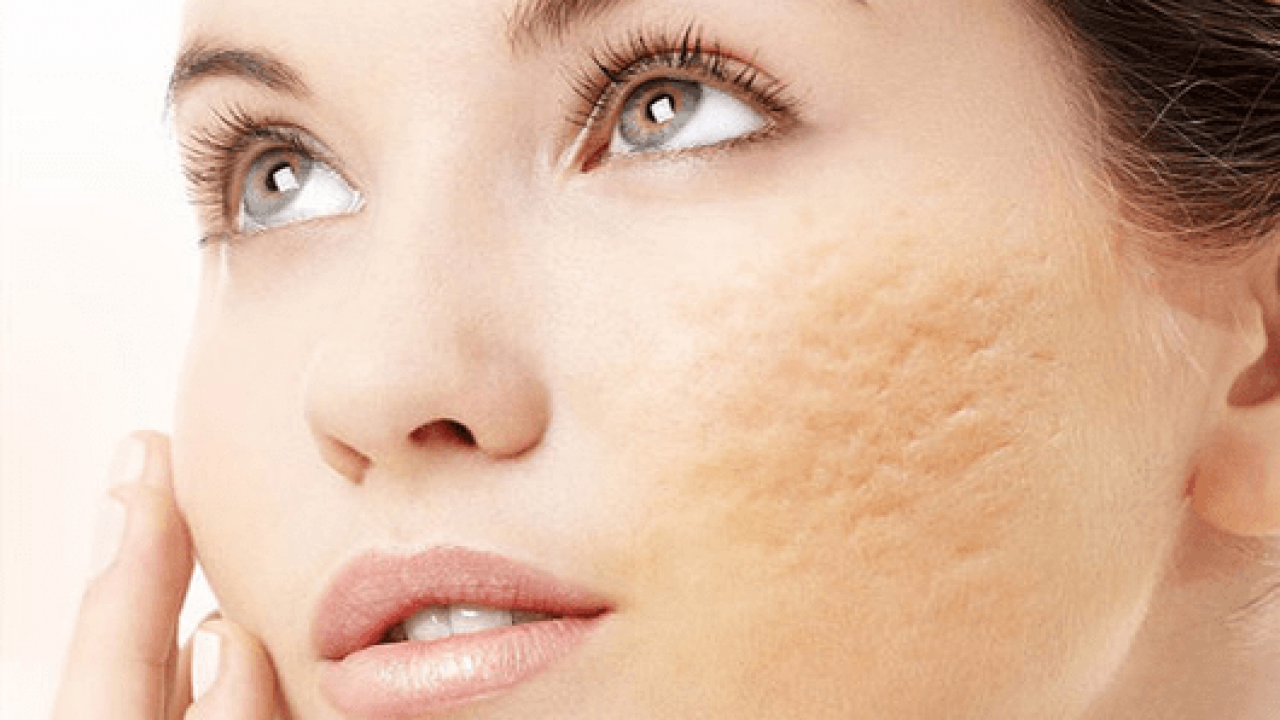
Rosacea is a skin condition characterized by redness, inflammation, and acne-like eruptions that usually appear in the center of the face, especially on the nose, cheeks, chin, and forehead. This condition occurs when small blood vessels in the skin dilate, and usually leads to reddish acne-like spots. Rosacea can become more noticeable over time and can leave permanent scars on the skin.
Difference Between Rosacea and Pimples
Rosacea pimples are different from traditional acne pimples. In rosacea, acne-like lesions are located on the surface of the skin in an inflamed manner, but they are not usually associated with open pores and can be more widespread and superficial than acne. Rosacea shows more redness and inflammation, especially due to the dilation of blood vessels in the skin.
Who Gets Rosacea Pimples?
Rosacea is usually seen in individuals aged 30 and older, and although it is more common in women, it can be more severe in men. Genetic factors, environmental factors and lifestyle play a role in the development of this condition. Factors such as alcohol, spicy foods, extreme temperature changes and stress can trigger rosacea symptoms.
Treatment of Rosacea Acne
Topical (applied to the skin) treatment methods are usually used in the treatment of rosacea. Creams containing metronidazole and azelaic acid can help relieve the symptoms of rosacea. In addition, some antibiotics and acidic treatments can reduce inflammation in the skin. It is important to start the treatment by a dermatologist to achieve the most effective results.
Skin Care and Rosacea
People with rosacea acne should choose their skin care routine carefully. Using moisturizers is important to prevent skin dryness, but products containing excessive alcohol or perfume should be avoided. In addition, gentle, fragrance-free and alcohol-free products should be preferred for skin cleansing. Using sunscreen daily can also help prevent skin redness from increasing.
Medical Intervention in Rosacea Treatment
In severe cases, dermatologists may recommend oral treatment methods, which can provide faster results. Oral antibiotics can help reduce inflammation and help control severe cases. In addition, laser treatment can reduce the visibility of rosacea by constricting blood vessels in the skin.
Living with Rosacea
Rosacea can be a permanent condition, but with the right treatment and care, symptoms can be managed. Individuals with rosacea can find relief by using non-irritating, soothing products and keep their skin healthy with regular dermatological check-ups. Stress management and a healthy lifestyle also play a big role in controlling rosacea symptoms.
 Call
Call
 Whatsapp