


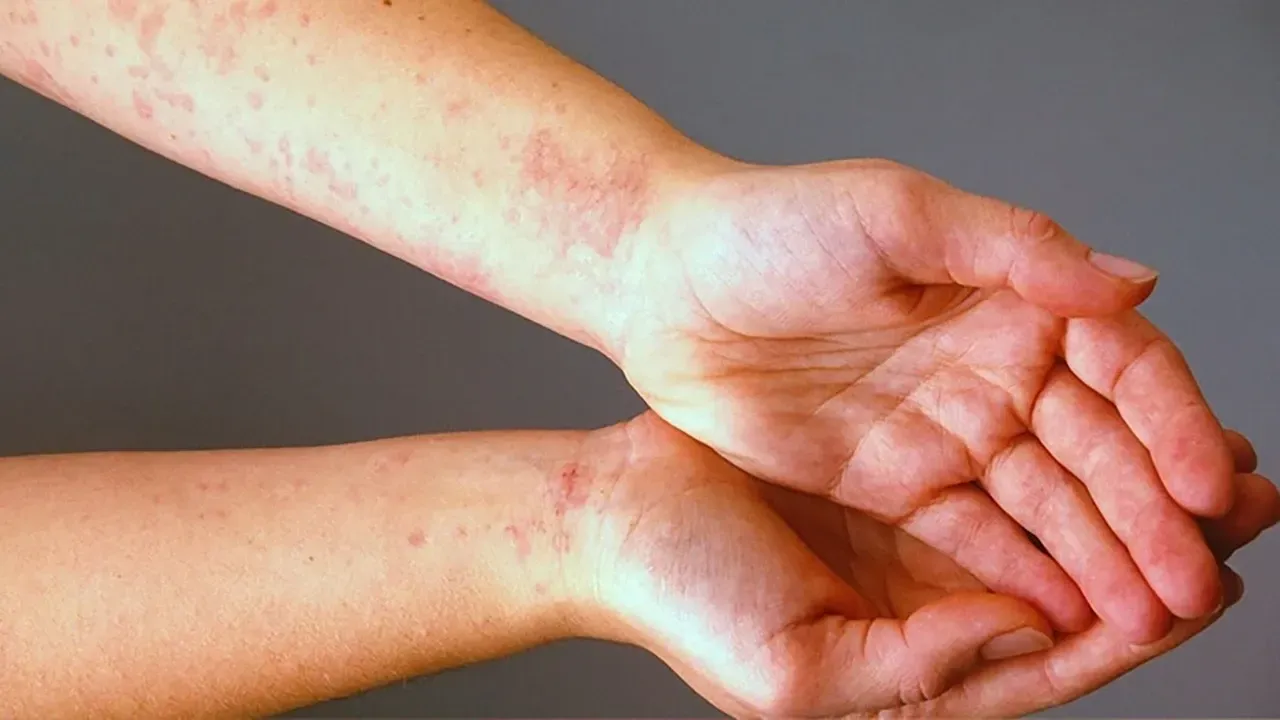

Rosacea is an infectious disease that manifests itself with red spots on the skin. This disease usually occurs on the face, neck and upper body. Rosacea develops due to a bacterial infection and is usually accompanied by symptoms such as fever, chills and fatigue.
Rosacea is especially common in children and young adults. However, it can affect people of all ages. Treatment of the disease is usually possible with the use of antibiotics and symptomatic treatment. Early diagnosis and appropriate treatment ensure rapid recovery from the disease.
Factors Causing Rosacea
The main cause of rosacea is the infection caused by the bacterium Streptococcus pyogenes. This bacterium usually causes throat or skin infections and then spreads throughout the body through the blood. Rosacea can also be caused by the following factors:
Weak immune system: People with weak immune systems are more prone to rosacea.
Chronic diseases: People with chronic diseases such as diabetes, heart disease or cancer are more prone to rosacea.
Stress: Intense stress can trigger the emergence of rosacea.
Exposure to source of infection: Close contact with an infected person can cause rosacea.
Rosacea Symptoms
The most obvious symptom of rosacea is red spots on the skin. These spots usually appear on the face, neck and upper body. Other symptoms of the disease are:
Fever
Chills
Fatigue
Headache
Joint and muscle pain
Nausea and vomiting
Swelling in the lymph nodes
Rosa is usually an infection that starts suddenly and progresses rapidly. Symptoms appear a few days after the onset of the disease.
Rosacea Treatment Methods
The treatment of rosacea is usually carried out with the use of antibiotics and symptomatic treatment. The following treatment methods can be applied:
Antibiotic Treatment: Antibiotics prescribed by the doctor are used to control the infection. Penicillin or macrolide antibiotics are usually preferred.
Symptom Treatment: Painkillers, anti-inflammatories and antihistamines can be used to relieve fever, pain and other symptoms.
Supportive Treatment: Adequate rest, fluid intake and nutrition support the healing process of the disease.
Prevention of Complications: The doctor may take additional measures to prevent complications of the disease.
Early diagnosis of rosacea and appropriate treatment usually leads to a rapid recovery. However, in some cases, complications may develop, so doctor follow-up is important.
 Call
Call
 Whatsapp