


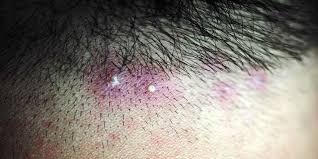

What Causes Scalp Acne and How Does It Go Away?
Scalp acne usually occurs when the oil glands in the skin produce too much sebum, pores get clogged, or bacteria multiply. This can be seen as painful, red, or inflamed pimples on the scalp.
What Causes Scalp Acne?
There can be many different reasons for the formation of pimples on the scalp. These include hygiene, hair care products used, hormonal changes, and skin diseases.
Factors that Cause Scalp Acne:
Increased Sebum (Oil) Production:
Excessive sebum production by the sebaceous glands can cause pores to become clogged. This is especially common in oily hair types.
Clogging of Pores:
Dead skin cells, dirt, and hair care product residues accumulated on the scalp can clog the pores and cause acne.
Bacterial Infections:
Especially the bacteria called Propionibacterium acnes can cause the formation of inflamed pimples on the scalp.
Hormonal Changes:
Puberty, menstruation, pregnancy or hormonal disorders can cause pimples on the scalp.
Using Wrong Hair Care Products:
Greasy, heavy or comedogenic (pores-clogging) shampoos, conditioners and hair oils can irritate the scalp.
Using Hats or Headgear:
Especially tight or airtight headgear can cause the scalp to sweat. This can increase the blockage of the pores and the formation of pimples.
Scalp Irritation:
Washing the hair too often or combing it harshly can irritate the scalp. This can also cause pimples to appear.
Stress:
Stress can affect the body's hormonal balance and contribute to the formation of pimples on the scalp.
How to Get Rid of Scalp Pimples?
It is important to apply the right treatment methods to get rid of acne on the scalp. Treatment is usually determined depending on the cause of the acne.
1. Keeping the Scalp Clean
Regular Washing:
Washing your scalp regularly with a suitable shampoo helps to cleanse oil, dirt and product residue. Shampoos containing salicylic acid can be preferred especially for oily hair types.
Avoiding Heavy Products:
Heavy oily or comedogenic products can cause pores on the scalp to become clogged. Avoid using conditioners or oils that come into direct contact with the scalp.
Use Gentle Shampoos:
Prefer sulfate-free, fragrance-free and natural shampoos that are especially suitable for sensitive skin.
2. Using Antibacterial Products
Antibacterial Shampoos:
Shampoos with antibacterial properties can be used especially for acne caused by bacterial infections.
Benzoyl Peroxide:
Creams or lotions containing benzoyl peroxide that can be applied to the scalp can relieve inflamed acne. However, it is recommended that you consult your doctor before using.
3. Drug Treatment
Topical Antibiotics:
Antibiotic creams such as clindamycin or erythromycin can help heal acne by eliminating bacteria.
Oral Antibiotics:
Antibiotics that can be prescribed by your dermatologist for severe acne can control the infection.
Hormone Regulating Drugs:
Birth control pills or anti-androgen drugs can be used for acne related to hormones.
4. Natural Methods
Tea Tree Oil:
It can help reduce bacteria on the scalp thanks to its antibacterial properties. You can use it by adding a few drops to your shampoo.
Apple Cider Vinegar:
Apple cider vinegar, which has antibacterial and antifungal properties, can regulate the pH balance of the scalp. However, it should be diluted with water before use.
Aloe Vera:
It can relieve inflammation on the scalp thanks to its skin-soothing and anti-inflammatory properties.
Precautions to Prevent Scalp Acne
Do Regular Hair Cleansing:
Wash your hair regularly with a suitable shampoo. Products containing salicylic acid can be preferred for oily hair.
Avoid Oily Products:
Avoid applying heavy hair oils or creams to your scalp.
Pay Attention to the Use of Hats or Headgear:
Avoid using tight headgear or hats that prevent the scalp from getting air for a long time.
Use of Sunscreen:
The scalp can also be affected by sunlight. Especially in the summer months, it may be useful to use a hat or choose suitable sunscreen products to protect the exposed scalp.
When to See a Doctor?
Scalp acne can usually be treated with methods to be applied at home. However, in some cases, it is necessary to consult a dermatologist:
If acne is constantly increasing or spreading.
If inflamed, painful or pus-filled pimples occur.
If it does not go away despite home treatments.
If permanent scars or wounds form on the skin.
Conclusion
Scalp pimples can usually be controlled with the right care and treatment methods.
 Call
Call
 Whatsapp