


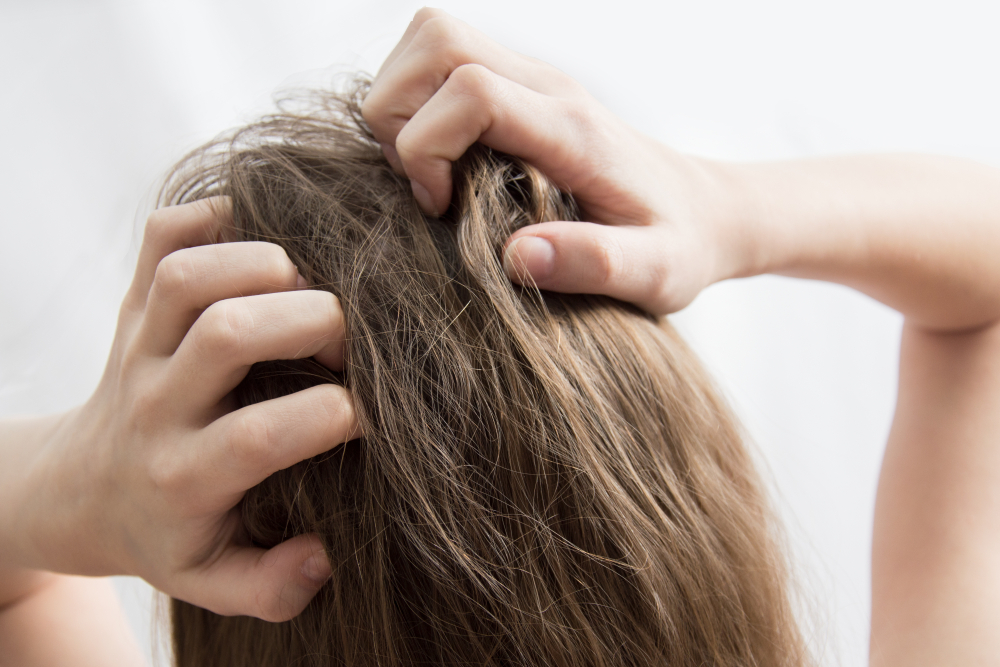

There are many factors that can cause scalp sores. The most common of these are:
Infections: Bacterial, viral or fungal infections can cause irritation and sores on the scalp.
Allergic Reactions: Allergic reactions caused by hair care products, dyes, chemicals or environmental factors can cause sores on the scalp.
Trauma: Traumatic effects such as impact, pulling or rubbing to the hair area can also cause injuries on the scalp.
Autoimmune Diseases: Autoimmune diseases such as lupus and psoriasis can cause irritation and sores on the scalp.
Inadequate Nutrition: Especially protein, iron, zinc and vitamin B deficiencies can cause sores and other problems on the scalp.
Stress: Chronic stress can pave the way for inflammation and sores on the scalp.
Poor Hair Care: Bad hair care habits such as excessive washing, excessive heat use and wrong product selection can also cause problems on the scalp.
We can prevent these problems by understanding the causes of scalp sores and taking appropriate precautions.
Scalp Wound Symptoms
When a wound occurs on the scalp, various symptoms can be seen. The most common symptoms are:
Redness: Redness, swelling and tenderness may occur on the scalp.
Itching: A strong itching sensation may occur in the wound area on the scalp.
Pain: Pain, burning or stinging sensation may be felt in the wound area.
Dryness: The scalp may dry and peel.
Hair Loss: Hair may begin to fall out from the wound area.
Crust: Crusts may form on the wound.
Discharge: Sometimes discharge may come from the wound area.
These symptoms may be seen alone or together. If you notice any of these symptoms on your scalp, it is recommended that you consult a dermatologist without delay.
Scalp Wound Treatment
Treatment of scalp wounds varies depending on the cause of the wound. A general approach to the treatment of scalp wounds is presented below:
Diagnosis: First, the cause of the scalp wound must be correctly determined. For this, a dermatologist should be consulted and the necessary tests should be performed.
Treatment of Infections: If the wound is caused by an infection, antibiotics or antifungal drugs may be prescribed.
Relief of Inflammation: Cold application can be applied to the area where the wound is located or anti-inflammatory drugs can be used.
Moisturizers: Moisturizers can be used to eliminate dryness and peeling on the scalp.
Hair Care: Healing of the scalp can be supported by using the right hair care products.
Painkillers: Painkillers can be prescribed if necessary.
Stress Management: If stress is the cause of the wound, stress management techniques should be applied.
Nutrition Adjustments: Nutrition adjustments can be made to eliminate vitamin and mineral deficiencies.
The treatment process may vary depending on the severity and cause of the wound. With regular follow-up and appropriate treatment, scalp wounds can usually heal in a short time.
 Call
Call
 Whatsapp