


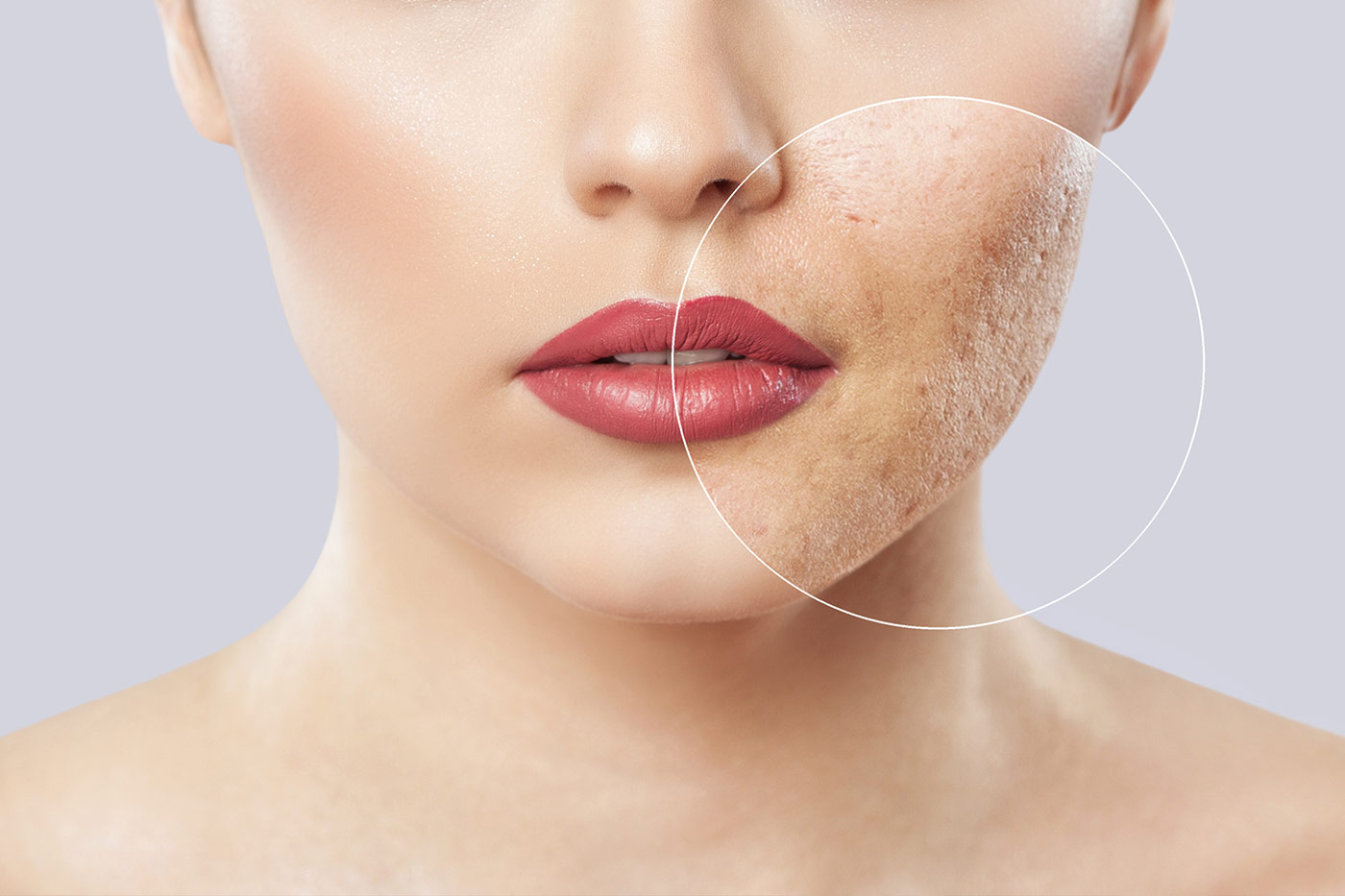

Scars are permanent changes that occur as a result of the repair process of the skin or other body tissues. These changes can occur due to injury, surgery, burns, or other tissue damage. Scars can change the normal structure and appearance of the tissue, but they can also affect its function.
Scars are part of the body's natural healing process. When tissue damage occurs, the body immediately begins the process of rebuilding and repairing. During this process, collagen and other structural proteins are produced and new tissue is formed at the wound site. However, sometimes this rebuilding process can get out of control and excessive amounts of scar tissue can form.
Scar formation can vary from person to person and depends on many factors, such as the severity of the injury, genetic predisposition, age, skin type, and body region. Some people tend to scar more easily, while others develop less noticeable scars.
2. Scar Formation
Scar formation usually occurs in four main stages:
Inflammation: After an injury or tissue damage, the body's immune system is activated and the inflammation process begins. During this stage, blood vessels dilate, white blood cells gather, and tissue repair begins.
Proliferation: In this phase, new blood vessels form, fibroblasts multiply, and collagen production increases. New tissue formation occurs.
Remodeling: Scar tissue remodels and matures over time. Collagen fibers are organized and blood vessels are reduced.
Remodeling: Scar tissue is continuously remodeled over a long period of time. In this phase, the scar tissue becomes flatter and softer.
Scar formation usually lasts a few months, but in some cases it can continue for years. The appearance and characteristics of scars can also change over time.
3. The Importance of Scar Treatment
Scar treatment is important from both a cosmetic and functional perspective. Excessive or abnormal scar formation can cause aesthetic concerns, physical discomfort, and psychological problems.
From a cosmetic perspective, visible or unsightly scars can negatively affect a person's self-confidence and social relationships. From a functional perspective, scars can cause limited movement, pain, itching, and other problems.
Scar treatment is important to address these problems and improve the patient's quality of life. Early and appropriate treatment can significantly improve the appearance and functionality of scars.
4. Methods Used in Scar Treatment
A variety of methods can be used in scar treatment. These include:
Topical Treatments:
Silicone gel or adhesives
Corticosteroid creams
Creams containing vitamin E and other antioxidants
Invasive Treatments:
Intralesional corticosteroid injections
Laser therapy
Cryotherapy (cold therapy)
Surgical scar revision procedures
Physical Treatments:
Massage
Pressure therapy
Ultrasound therapy
Combination Treatments:
Using topical treatments with invasive or physical treatments
The most appropriate approach to scar treatment is to create an individualized treatment plan based on the patient's needs and scar characteristics. An experienced dermatology team can evaluate different treatment options to achieve the most effective results.
5. Dermatology Clinics for Scar Treatment
Scar treatment is usually performed by dermatology clinics. Dermatologists specialize in scar formation, its characteristics, and the most appropriate treatment approaches.
In dermatology clinics, the following services can be provided for scar treatment:
Comprehensive examination and evaluation
Determination of scar type and characteristics
Creation of treatment plan
Application of topical, invasive, or physical treatment methods
Monitoring of treatment results and revision procedures if necessary
Patient education and care recommendations
 Call
Call
 Whatsapp