


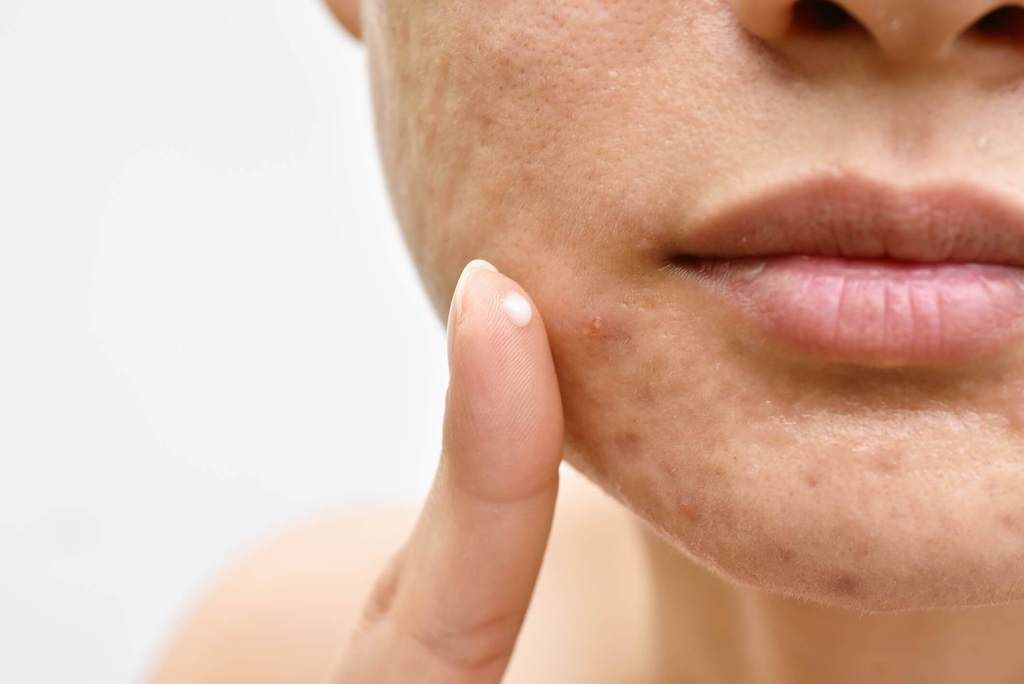

Acne spots are usually red or brown marks and spots left on the skin after acne formation. Acne formation occurs as a result of excessive production of oil glands in the skin, blockage of pores and bacteria entering these blockages. Acne formation and the spots that remain afterwards are especially common on the face, back and chest area.
Acne spots can also form during the skin's natural healing process. When acne bursts, pigment cells on the skin are damaged, causing spots to form. In addition, incorrect or inadequate treatment, exposure to sunlight, hormonal changes and stress can also contribute to the formation of acne spots.
Acne spots can become more visible, especially in people with dark skin. This occurs because pigment cells produce more melanin. Acne spots can negatively affect a person's self-confidence and social life, so it is important to treat them.
Why is it important to treat acne spots?
Acne spots can cause significant problems not only in terms of appearance, but also psychologically and socially. It can negatively affect a person's self-confidence and self-confidence, and can also cause problems in social relationships.
Acne spots can heal on their own over time, but this process can be long and uncertain. If the right treatment methods are not used, the spots can become permanent and get worse. Therefore, it is very important to treat acne spots in a timely and correct manner.
The treatment of acne spots may vary depending on the person's skin type, stain severity and causes. When the appropriate treatment methods recommended by doctors are applied, the spots can heal faster and more effectively. In addition, treating acne spots can prevent the formation of new acne.
How Serums for Acne Spots Work
Serums used for acne spots contain various active ingredients, and these ingredients help prevent the formation of spots and reduce existing spots.
The most common active ingredients in serums are:
1. Acids: Acids such as glycolic acid, lactic acid, salicylic acid prevent the formation of spots by reducing dead cells and pigment accumulation.
2. Retinoids: Retinoids, which consist of tretinoin or adapalene, accelerate cell renewal and prevent blemish formation.
3. Vitamin C: Increases skin brightness, reduces pigment formation and supports collagen production.
4. Niacinamide: Prevents blemish formation by regulating melanin production and reduces existing blemishes.
5. Hydroquinone: Prevents blemish formation by inhibiting melanin production.
Serums, with formulations containing these active ingredients, can be effective in reducing acne blemishes when used regularly and correctly. However, it is important to determine the appropriate serum composition for each skin type and to get expert advice.
What to Consider When Choosing a Serum for Acne Blemishes?
There are a few important points to consider when choosing a serum for acne blemishes:
6. Skin Type: The serum should be suitable for the person's skin type (dry, oily, combination, sensitive). Otherwise, unwanted side effects may occur.
7. Active Ingredients: It is important that the active ingredients in the serum target acne blemishes and be effective. Ingredients such as glycolic acid, niacinamide, and vitamin C are generally effective in treating spots.
8. Concentration: The concentration of active ingredients plays an important role in spot treatment. While very low concentrations are ineffective, very high concentrations can cause skin irritation.
9. Other Ingredients: Other ingredients in the serum should also be taken into account. For example, ingredients such as perfume, alcohol, and colorants can cause problems for sensitive skin.
10. Frequency of Use: The manufacturer's instructions should be followed regarding whether the serum should be used daily or several times a week. Excessive use can cause skin irritation.
11. Application Method: It is recommended to apply the serum to clean and dry skin, followed by other products. It is also important to apply gently without massaging.
 Call
Call
 Whatsapp