


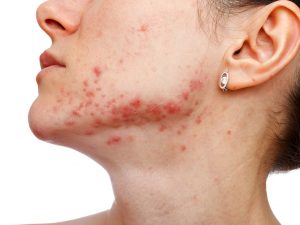

The Link Between Sexually Transmitted Diseases and Acne
Sexually transmitted diseases (STDs) are diseases in which infections are usually spread through sexual contact. Some of these diseases can cause acne-like lesions on the skin. However, acne is typically a condition that develops as a result of bacterial infections and is caused by the blockage of the oil glands in the skin. Although STDs are not directly linked to acne, some STDs can cause acne-like scars or bumps.
STDs That Look Like Acne
Some STDs can cause bumps that look like acne. For example, infection with the herpes simplex virus (HSV) can cause painful, red blisters on the genitals. These blisters can burst, leaving acne-like scars. Similarly, the wart virus (HPV) can cause warts in the genital area, and these warts can sometimes look like acne. However, since these conditions are sexually transmitted diseases, it is important to see a doctor for a proper diagnosis.
Treatment Methods for Acne and Sexually Transmitted Diseases
Acne treatment is usually done with topical creams, antibiotics or laser treatment. However, the treatment of sexually transmitted diseases is different. Antiviral drugs can be applied for the herpes virus, while some vaccines and treatment methods can be applied for HPV. In both cases, it is very important to get professional medical help to treat these diseases and prevent transmission.
Differences Between Acne and Sexually Transmitted Diseases
Sexually transmitted diseases and acne can create similar bumps on the skin, but the differences between them are very clear. While acne is usually a condition caused by the blockage of the skin's oil glands, sexually transmitted diseases develop as a result of a virus or bacteria being transmitted during sexual contact. While acne is usually painless and can be treated, sexually transmitted diseases can lead to more serious health problems.
Conclusion
Although there are some similarities between acne and sexually transmitted diseases, they are different health problems and their treatment methods are different from each other. New lesions on the skin could be acne or sexually transmitted diseases, so it is important to seek help from a specialist for a correct diagnosis.
 Call
Call
 Whatsapp