


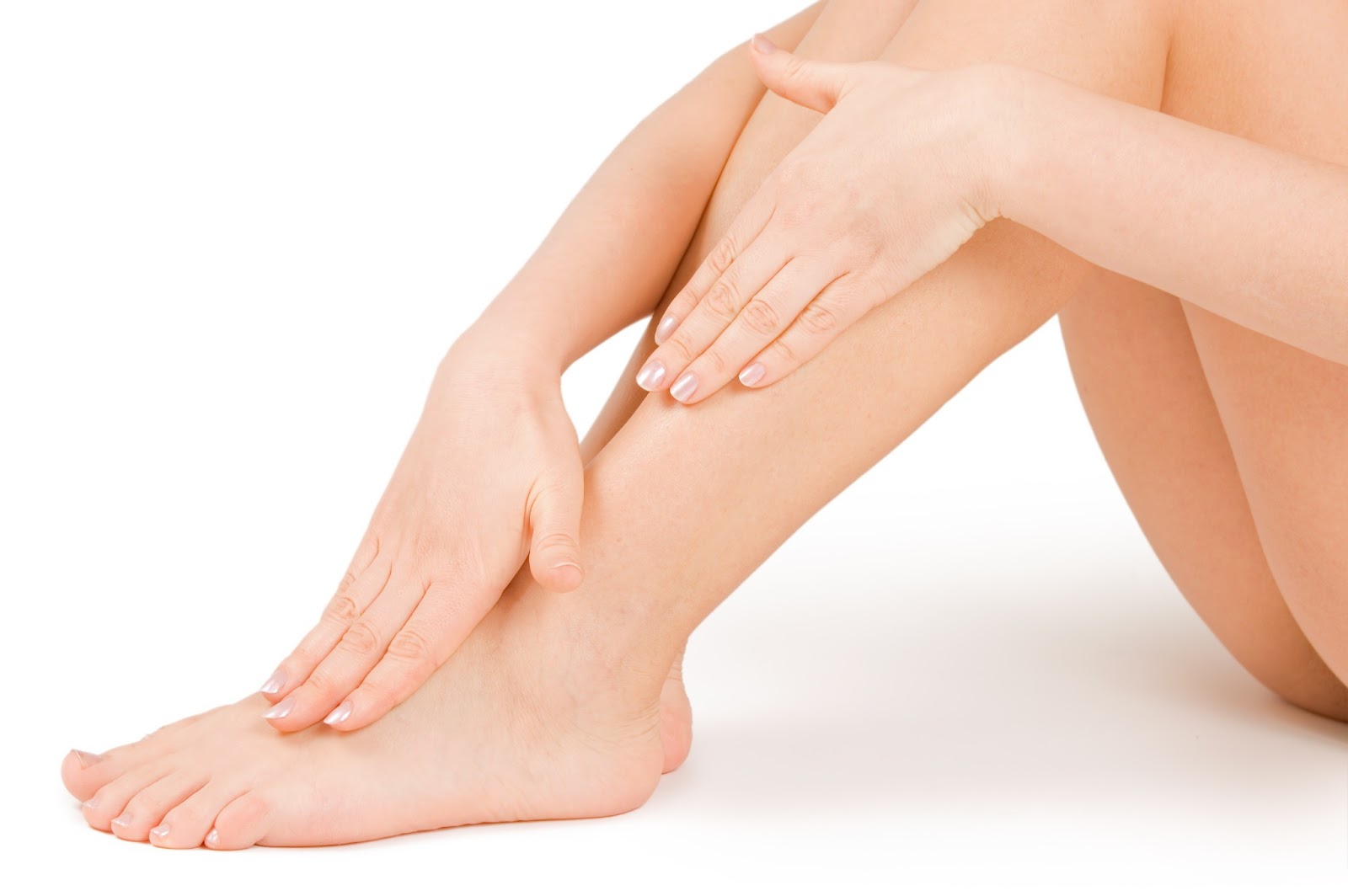

Epilation is an important part of your personal care and beauty routine. However, each method has its own advantages and disadvantages. Therefore, it is very important to know the side effects of epilation and take precautions against them.
What are the Side Effects of Epilation?
Various side effects may occur during or after the epilation process. The most common among these are:
Redness and Irritation: Skin redness, itching and sensitivity may occur during or after epilation. This condition is usually temporary and disappears as the skin heals.
Pain and Pain: A significant pain may be felt, especially when waxing and using an electric epilator. This may vary from person to person.
Hair Loss: In some cases, hair follicles may not be completely destroyed and hair may start to grow again. This can especially be seen when using waxing and depilatory creams.
Ingrown Hair: Hairs can sometimes curl and sink into the skin. This usually occurs due to irritation and infection after epilation.
Skin Color Changes: Lightening or darkening of skin color may occur after epilation, especially in dark-skinned people. This situation may be temporary or permanent.
Pimples and Acne Formation: Pimples and acne may occur due to clogging of skin pores during or after epilation.
Wound and Infection: Small wounds on the skin surface during the epilation process can cause bacteria and microorganisms to enter, leading to infection.
Effects of Epilation on Skin
The epilation process can cause various changes on the skin. The most common among these are:
Dryness: Epilation, especially waxing and using an electric epilator, can dry out the skin. This may lead to a weakening of the skin barrier and a more sensitive skin structure.
Thinning: Long-term and frequent epilation applications can cause the skin layers to become thinner and more sensitive.
Hyperpigmentation: Especially in dark-skinned people, darkening of the skin color (hyperpigmentation) may occur after epilation.
Blemishes: Irritation and infection that occur during the epilation process can cause skin blemishes.
Signs of Aging: Intensive and frequent epilation practices can contribute to the appearance of signs of premature aging of the skin.
Different Side Effects in Epilation Methods
Each hair removal method has its own side effects:
Laser Hair Removal:
Temporary redness and tenderness
burning sensation
Color changes (hyperpigmentation or hypopigmentation)
Rarely wounds and infections
Wax:
Severe pain and soreness
Redness, swelling and itching
feather rotation
ingrown hair
Acne and acne formation
Hair Removal Creams:
Skin irritation and burning sensation
allergic reactions
feather rotation
color changes
Electric Epilator:
Pain and pain
Redness and tenderness
feather rotation
ingrown hair
Skin Care After Epilation
It is very important to pay attention to skin care after the epilation process. What needs to be done for this:
Using Moisturizers and Soothing Products: It is necessary to use special moisturizers and soothing products to moisturize the skin after epilation and reduce signs of irritation.
Using Sunscreen: If the skin is exposed to sunlight after the epilation process, the risk of pigmentation changes and spotting increases. Therefore, it is important to use sunscreen.
Choosing Sensitive Products: During this period when the skin becomes sensitive, it is recommended to use perfume-free and specially produced products for sensitive skin.
Drinking Plenty of Water: It will be beneficial to consume plenty of water to moisturize and heal the skin after epilation.
Avoiding Peels: Since the upper layer of the skin becomes sensitive after epilation, peeling procedures should be avoided.
Long-Term Effects of Hair Removal
Long-term and regular epilation applications can cause permanent changes on the skin:
Skin Thickening: Frequent epilation can lead to thickening and hardening of the skin.
Capillary Dilation: The epilation process can cause capillaries to expand and the vascular network to become visible.
Pigmentation Changes: Especially in dark-skinned people, lightening or darkening of skin color may occur in the long term.
Increased Sensitivity: Frequent epilation can cause the skin to become more sensitive and sensitive.
Hair Follicle Damage: Repeated epilation applications can cause permanent damage to hair follicles.
Risks and Precautions of Hair Removal
Various risks may occur during or after the epilation process. Precautions to be taken to minimize these:
Infection Risk:
Taking care of skin cleansing
Using sterile and disposable materials
Paying attention to skin care after epilation
Risk of Hyperpigmentation:
using sunscreen
Using products to prevent skin blemishes after epilation
Risk of Allergic Reaction:
Getting a sensitivity test
Choosing special products for sensitive skin
Tu
 Call
Call
 Whatsapp