


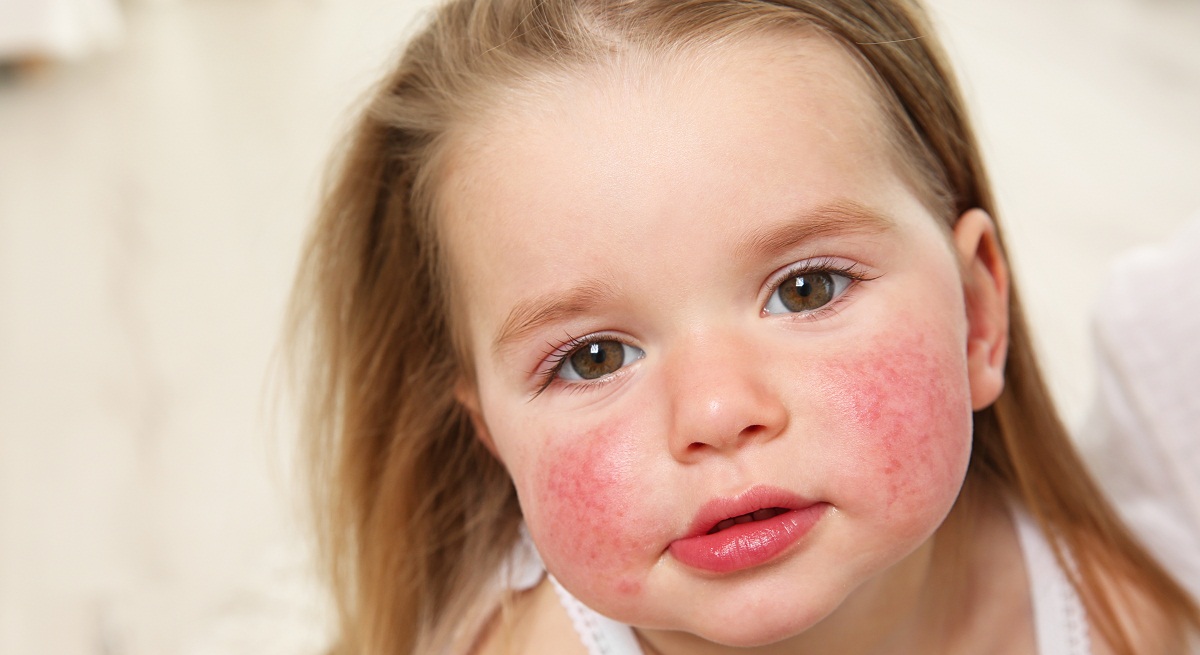

Skin allergy is a condition that occurs when the skin reacts to a substance or environmental factors. These allergic reactions may present with symptoms such as reddening of the skin, itching, blisters, blisters or a rash. Skin allergies can occur at any age and on any skin type. In this article, we will learn more about skin allergy, exploring its common causes, types, symptoms, diagnostic methods, prevention tips and treatment options.
What is Skin Allergy?
Skin allergy occurs when the skin overreacts when it comes into contact with a substance or encounters an allergen. These allergens can be a variety of substances, such as plant pollens, dust mites, pet dander, detergents, perfumes, chemicals or metals. Allergens penetrate the outer layer of the skin, causing the immune system to react. This causes the skin to become irritated, red, itchy and blisters to form.
Common Causes of Skin Allergy
Common causes of skin allergies include:
House dust mites: Dust mites in our homes are especially concentrated in beds, carpets and upholstery. These mites can cause skin allergy symptoms.
Plant pollens: Plant pollens in the air during spring and summer can cause allergic reactions. Pollens, especially from grasses, trees and flowers, can cause irritation on the skin.
Chemical substances: Chemical substances found in some cleaning products, detergents, perfumes and cosmetic products can cause skin allergies. Particularly sensitive skin types may be more sensitive to these substances.
Types of Skin Allergy
Skin allergies can occur in different types. Here are a few examples of some common types of skin allergies:
Contact dermatitis: This type of allergy occurs as a result of direct contact with a substance. For example, touching a plant or being exposed to a chemical can cause skin redness, itching, and blisters.
Urticaria: Urticaria is an allergic reaction characterized by skin blistering and itching. It manifests itself as red, raised rashes that can develop rapidly after contact with the allergen.
Atopic dermatitis: Atopic dermatitis is a chronic skin disease usually seen in children. It is manifested by recurrent redness, itching and dryness with periods of healing.
Skin Allergy Symptoms
Skin allergy symptoms may vary from person to person. However, common symptoms may include:
reddening of the skin
Itching or burning sensation
Blisters or rashes
Dryness or flaking of the skin
Skin tenderness or pain
Diagnosis of Skin Allergy
Skin allergy can be diagnosed through a series of tests performed by a doctor. Some of the methods used in the diagnosis process are:
Skin tests: Examining the reaction by applying an allergen to a small area of the skin.
Blood tests: Measuring antibody levels against allergens by taking a blood sample.
Skin biopsy: Taking a sample of the skin rash or lesion and sending it to the laboratory.
Tips to Prevent Skin Allergies
There are some simple ways to prevent skin allergies. Here are some tips to prevent skin allergies:
Avoid allergens: Avoid exposure to known allergens. For example, clean regularly against house dust mites and avoid cosmetic products that contain allergens.
Keep your skin moist: Keeping your skin moist can strengthen the skin barrier and make it more resistant to allergens. Moisturize your skin regularly using moisturizing creams.
Selection of cleaning products: For those with sensitive skin, choose cleaning products that are perfume-free and chemical-free.
Natural Solutions for Skin Allergies
You can try some natural solutions to relieve or control skin allergies. Here are some natural solutions:
Aloe vera gel: Aloe vera gel is known for its skin-soothing and anti-inflammatory properties. You can apply aloe vera gel to soothe your skin and relieve itching.
Cold compresses: Cold compresses can soothe your skin and relieve itching. You can get relief by applying a cloth or ice pack moistened with a little ice water to your skin.
Apple cider vinegar: Apple cider vinegar has antiseptic and anti-inflammatory properties. You can relieve itching by soaking a cotton ball in apple cider vinegar and applying it to your skin.
Over-the-Counter Treatments for Skin Allergies
You can use over-the-counter medications to relieve skin allergies and control symptoms. Here are some common over-the-counter treatments:
Antihistamines: Antihistamine medications are used to relieve itching and irritation caused by allergic reactions.
Topical corticosteroids: Topical corticosteroid creams or ointments can reduce skin inflammation and relieve itching.
Moisturizers: Moisturizers reduce irritation by keeping the skin moist.
 Call
Call
 Whatsapp