


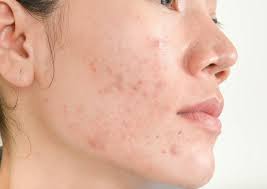

Formation of Acne Spots on the Skin
Acne spots on the skin are usually marks left on the skin after acne has healed. Acne occurs due to blockage of the oil glands under the skin and bacterial infection. This infection causes inflammation in the skin, and when the acne begins to heal, redness and scars may remain. Dark spots, on the other hand, occur as a result of pigmentation changes on the skin. Such spots usually form during the healing process of acne and can remain on the skin for a long time.
Types of Acne Spots
Acne spots can be of different types. Dark red, purple or brown spots are usually the most common acne scars. They occur as a result of inflammation in the skin. In addition, some people may see scars in the form of pits or hollows on the skin. Such scars occur when acne affects deeper tissues and causes tissue loss. The type of scars on the skin depends on the severity of acne and how early treatment is started.
Natural Treatment Methods for Skin Blemishes
There are natural treatment methods that can be applied at home for acne blemishes. Aloe vera soothes inflammation in the skin and encourages new cell production, thus helping to reduce blemishes. Lemon juice helps regulate pigmentation changes in the skin. However, it is important to use it carefully as lemon can dry the skin due to its acidic structure. In addition, natural substances with moisturizing and healing properties such as honey can also help to lighten blemishes on the skin.
Dermocosmetic Products in the Treatment of Skin Blemishes
Dermocosmetic products can also be effective in the treatment of skin blemishes. For example, vitamin C serums regulate pigmentation problems in the skin and can help blemishes disappear more quickly. Similarly, products containing AHA (Alpha Hydroxy Acid) peel the skin surface and allow new skin cells to form. Such products help to even out skin tone with regular use. However, it is very important to use skin protective products (especially sunscreen) during the use of these products.
Professional Treatment Options
There are also professional treatment options recommended by dermatologists for the treatment of acne spots on the skin. Chemical peeling removes dead skin cells from the skin surface and allows new cells to emerge. This process helps to reduce spots and even out skin tone. In addition, laser treatments can be especially effective in spot treatment. Laser can correct pigmentation problems and lighten the appearance of scars by providing targeted heat to the tissues under the skin.
Skin Care and Preventive Steps
It is important to do regular skin care to prevent the formation of acne spots on the skin. Cleaning, moisturizing and caring with appropriate products keeps the skin healthy. In addition, intervening early when acne occurs can help prevent the formation of spots. Squeezing acne can trigger the formation of spots, so it is best not to treat acne manually. Regular use of sunscreen is also a critical step, especially to prevent spots from darkening.
Conclusion
Acne spots on the skin may disappear over time, but if left untreated, they can become permanent. Spots can be significantly lightened with natural methods, dermocosmetic products and professional treatments. Since each skin type is different, the treatment process should be personalized. Proper skin care routine and early treatment are very important for preventing acne spots. If your acne spots do not go away, it would be best to seek help from a dermatologist.
 Call
Call
 Whatsapp