


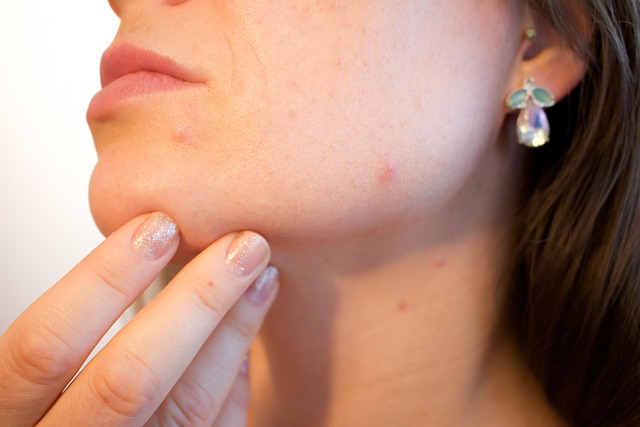

Causes of Acne Scars
Acne scars are the scars left behind when inflammatory acne on the skin heals. The skin can leave permanent scars due to excessive inflammation, infection or destruction of the tissues under the skin during acne treatment. These scars can usually be seen as pits or redness. If not treated early, these scars can become more visible over time. In order to start skin care, it is very important to take steps to prevent the formation of scars.
How Should Skin Care Be Against Acne Scars?
Treatment of acne scars begins with supporting the skin's renewal process. Regular skin cleansing prevents the skin from clogging by removing excess oil and dirt from the skin. Instead of soap, it is very important to use a gentle cleanser that maintains the skin's pH balance. In addition, moisturizers for skin care help the scars heal faster by accelerating the skin's renewal process. Choosing moisturizers with natural ingredients can provide the best results for the skin.
Peeling for Acne Scars
Chemical peels can help the skin surface renew by removing dead cells from the skin. Products containing AHA (alpha hydroxy acid) and BHA (beta hydroxy acid) in particular can help lighten spots and scars on the skin surface. However, these procedures should be used with caution as they can increase skin sensitivity. Determining the appropriate peeling methods for your skin type with a doctor's recommendation is the best way to prevent unwanted side effects.
Natural Methods for Acne Scars
Natural skin care products can help treat acne scars. For example, aloe vera has skin-soothing properties and can speed up the healing process. Honey also has antibacterial properties, reduces inflammation and can help scars heal. In addition to such natural skin care products, using sunscreen regularly will help prevent scars from getting darker.
Support with Skin Masks
Skin masks can be effective in treating acne scars. Masks containing salicylic acid cleanse dead skin cells and help lighten acne scars. In addition, clay masks control excess oil on the skin and help cleanse pores. When masks are applied regularly, skin tissue inequalities can gradually decrease. However, it is important to choose each mask according to your skin type.
Medical Methods Against Acne Scars
Dermatologists recommend various medical methods in the treatment of acne scars. Laser treatments can help scars heal faster. It stimulates the tissue under the skin and encourages the production of new cells. In addition, filler treatments fill the pits in the skin and flatten them. PRP (Platelet Rich Plasma) treatment helps lighten the appearance of scars by increasing collagen production in the skin. However, all of these treatments should be performed by a specialist.
Patience and Continuity in Skin Care
Acne scars can take time to heal, so it is important to be patient. When starting skin care, regular care and sticking to the treatment will allow you to achieve the best results. In the treatment of acne scars, a period of time ranging from a few weeks to a few months is usually required. Starting treatment and sticking to the process will help your skin regain its health.
In conclusion
Treatment of acne scars becomes more effective with the combination of correct skin care, appropriate natural methods and medical treatment. Starting skin care early makes the scars less visible. In addition, using products suitable for your skin type and regular care will help you achieve a healthy skin appearance.
 Call
Call
 Whatsapp