



Teeth clenching is a condition that occurs when various factors come together. The main causes include stress, anxiety, irritability, sleep disorders, wrong eating habits and poor posture. Some people may also be genetically prone to teeth clenching.
Stress is the most common cause of teeth grinding. Work, family or personal problems we encounter in our daily lives can make us tense, which can lead to teeth grinding. Anxiety and nervousness can similarly cause teeth grinding.
Sleep disorders can also contribute to teeth grinding. For example, teeth clenching is common in people who experience sleep apnea (breathing pauses). Wrong eating habits, especially caffeine and alcohol consumption, can trigger teeth grinding. Poor posture can also cause tension in the jaw muscles and clenching of teeth.
Symptoms of Teeth Grinding
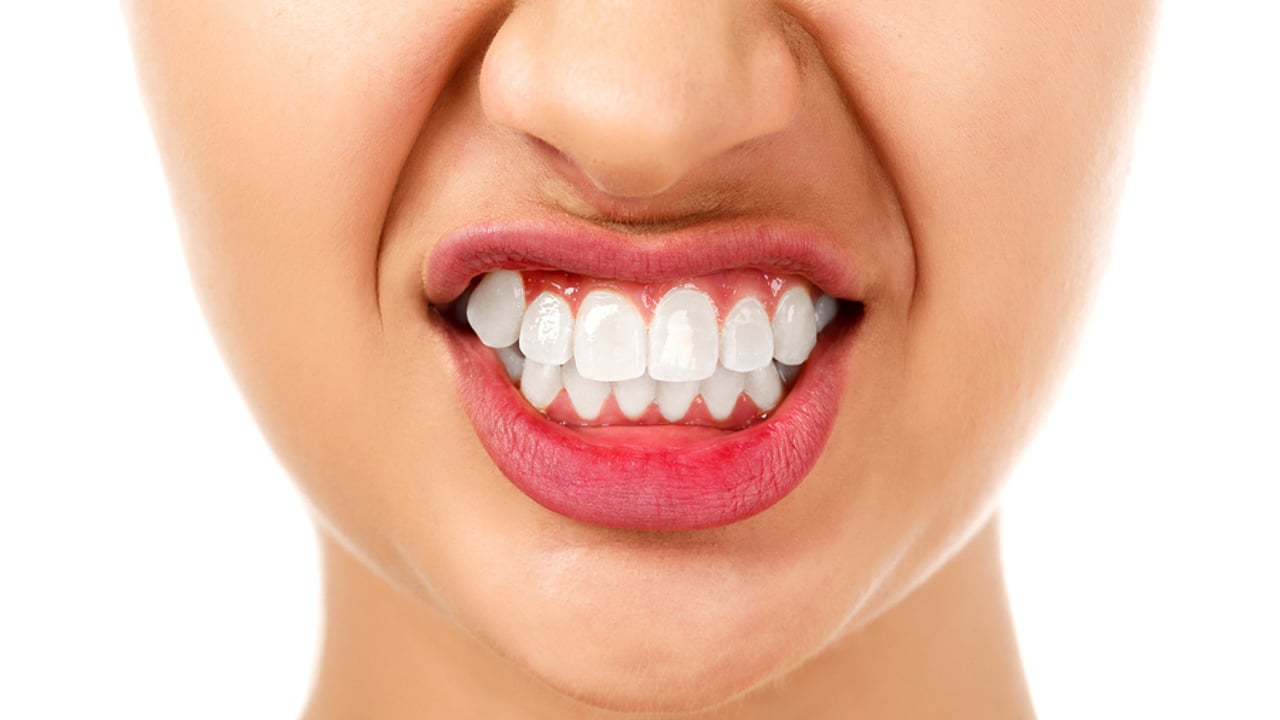
The most obvious symptom of teeth grinding is the grinding sound heard while asleep or awake. Additionally, pain in the jaw muscles, headache, earache, neck and shoulder pain may also occur. Wear, breakage or sensitivity in the teeth are also among the symptoms of clenching.
Some people may not notice their teeth grinding, but hearing grinding sounds from those around them may indicate the presence of teeth grinding. Additionally, jaw tension or pain felt after waking up may also be an indication of teeth clenching.
Effects of Teeth Grinding on Health
Teeth grinding can lead to serious health problems in the long run. Major effects include:
1. Tooth and jaw problems: Teeth clenching can cause wear, breakage, sensitivity and problems in the jaw joint.
2. Headache and migraine: Teeth clenching can lead to headache and migraine attacks due to tension in the jaw muscles.
3. Sleep disorders: Teeth grinding can disrupt sleep and reduce sleep quality.
4. Stress and anxiety: Teeth grinding can increase stress and anxiety, which can negatively affect a person's overall health.
5. Posture and muscle problems: Teeth clenching can cause tension in the neck and shoulder muscles, leading to posture disorders.
Therefore, early diagnosis and appropriate treatment of teeth grinding is very important. Ignoring the problem may cause more serious health problems to occur.
Things That Can Be Done to Prevent Teeth Grinding
To prevent teeth grinding, it is important to first identify the underlying causes of the problem and try to eliminate them. Stress management, sleep hygiene, correct eating habits and regular exercise can be effective in preventing teeth grinding.
For stress management, methods such as yoga, meditation, breathing exercises or relaxation techniques can be tried. To improve sleep quality, it is important to have regular sleep hours, improve the sleep environment and pay attention to sleep hygiene.
Proper eating habits, especially reducing caffeine and alcohol consumption, can help prevent teeth grinding. Regular exercise can also prevent teeth clenching by reducing tension in the jaw muscles.
Solution Suggestions for Teeth Grinding
Various methods can be tried to find a solution to teeth grinding. These include simple home remedies, using products, and seeking professional help.
Home remedies include bite plates (night shirt), jaw massage, warm compresses and relaxation exercises. Improving sleeping position may also be effective.
Products specially designed for teeth clenching can help solve the problem. These include night shirts, chin rests, massagers and botulinum toxin injections.
Solution to Teeth Grinding
Free Information,
Consultation and Appointment Request
 Call
Call
 Whatsapp