


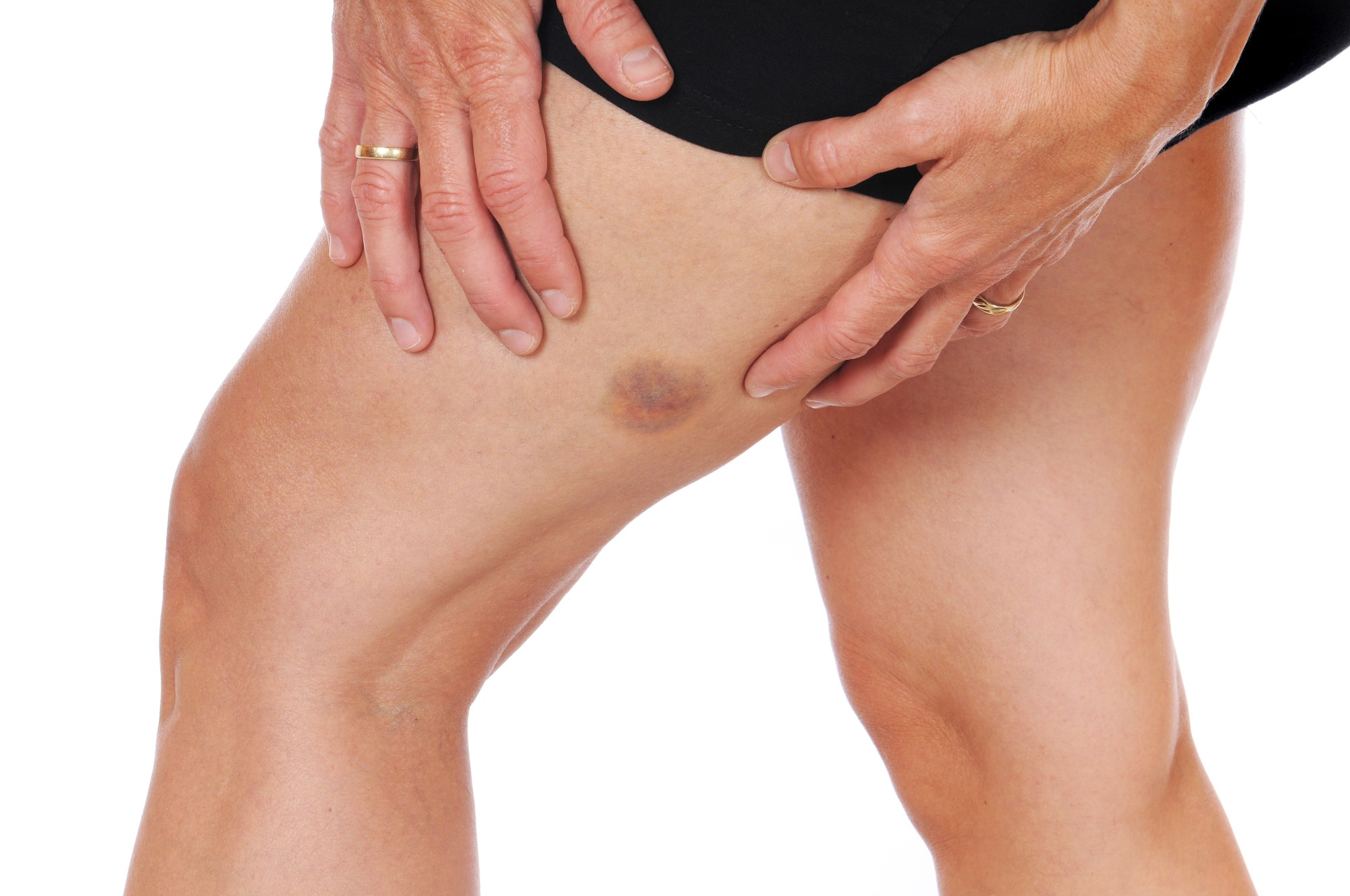

Spontaneous bruises are dark spots on our skin that are usually not related to a blow. These bruises are caused by ruptured blood vessels or blood leaking under the skin. Bruises can affect the appearance of the skin and can sometimes be painful, but in most cases they heal on their own.
Bruises are part of our body's natural defense mechanism. When blood vessels rupture or become damaged, our body responds quickly to repair this damage. Blood leaks under the skin and causes bruises to form. These bruises change color during the healing process and disappear over time.
Some people may be more prone to bruising. This can be due to a variety of factors, such as age, skin type, medication use, or health status. However, spontaneous bruises are usually not a cause for concern and can often be addressed with simple treatments.
Causes of Spontaneous Bruises on the Body
Spontaneous bruises on the body can have many different causes. The most common causes are listed below:
1. Age: Older people tend to bruise more easily because the skin's elasticity decreases and blood vessels become more fragile.
2. Skin Structure: People with thin and sensitive skin can bruise more easily.
3. Medication Use: Some medications can prevent blood clotting and make bruising easier. For example, aspirin, warfarin and other blood thinners are in this category.
4. Vitamin Deficiencies: Vitamin C and vitamin K deficiencies can contribute to bruising.
5. Health Problems: Some diseases, such as hemophilia, thrombocytopenia and Cushing's syndrome, can increase bruising.
6. Trauma: Impact or injury can cause blood vessels to rupture and bruise.
7. Genetic Factors: Some people may tend to bruise more easily, which may be due to genetic factors.
The causes of spontaneous bruising on the body may vary from person to person. If bruising occurs frequently or is a concern, it is recommended that you consult your healthcare professional.
Symptoms of Spontaneous Bruises on the Body
The most obvious symptom of spontaneous bruises on the body is the formation of dark spots on the skin. Bruises usually have the following characteristics:
• Color: Bruises may initially be red or purple, but over time their color changes and they may turn green, yellow or brown.
• Shape: Bruises are usually round or oval in shape, but sometimes they can have an irregular appearance.
• Size: Bruises can range in size from a small dot to the size of the palm of your hand.
• Tenderness: Bruises can be painful or tender to the touch, but this is not always the case.
In some cases, the following symptoms may also be seen in addition to bruises:
• Swelling: Swelling may occur around the bruises.
• Redness: Redness may occur around the bruises.
• Bleeding: Some bruises may carry a risk of bleeding.
If bruises occur frequently, show changes in size or color, or are accompanied by other symptoms, it is recommended that you consult your healthcare professional.
Treatment of Spontaneous Bruises on the Body
Most spontaneous bruises on the body can be treated with simple treatment methods. The most common treatment options are listed below:
8. First Aid: When bruises first appear, applying ice and elevation to the area can reduce blood flow and reduce pain and swelling.
9. Topical Treatments: Topical creams or gels applied to bruises can speed up the healing process. For example, products containing arnica, bromelain or vitamin C can be effective.
10. Medication: Your doctor may prescribe certain medications depending on the cause of the bruise. For example, adjusting the dosage of blood thinners or vitamin supplements may be helpful.
11. Physical Therapy: Massaging the area over the bruise can support the healing process.
12. Surgical Treatment: In rare cases, surgery may be necessary if the bruises are recurring or resistant to treatment.
The treatment of bruises should be customized to each person's condition. If the bruises are frequent, have a worrisome appearance or take a long time to heal, it is recommended that you consult your healthcare professional.
 Call
Call
 Whatsapp