



What is Spot Lightening Treatment?
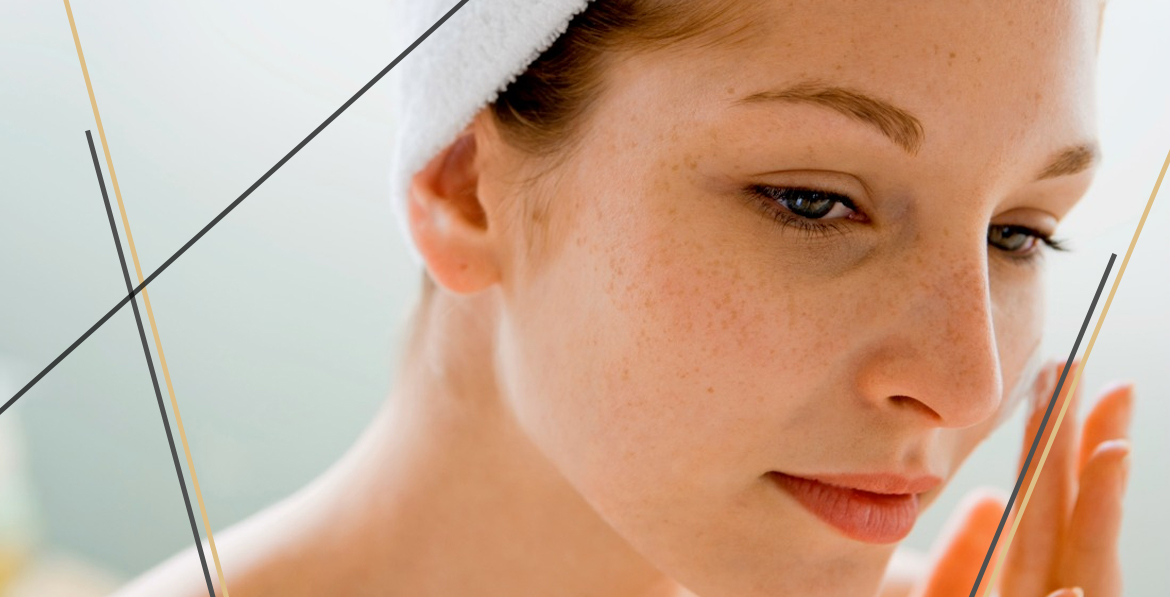
Spots on the skin can be aesthetically disturbing and are usually caused by pigment changes in the skin. These spots are formed as a result of sun rays, acne, hormonal changes, aging or skin traumas. Spot lightening treatment includes a series of applications aimed at lightening or completely eliminating these spots on the skin. The aim is to make the skin look smoother and more even-toned.
Types of Spots and Causes
There are various factors that trigger the formation of spots. Among the most common types of spots:
Sun Spots: As a result of long-term sun exposure, melanin production in the skin increases and brown spots are formed.
Acne Scars: Dark or red spots left on the skin after acne usually appear after the acne has healed.
Hormonal Spots (Melasma): They are associated with conditions such as pregnancy, birth control pills or hormone therapy.
Age Spots: Age-related pigment changes and spots can be seen on the skin with aging.
Spot Lightening Treatment Methods
The methods used in spot treatment vary according to the type of spot and skin type. The most commonly used treatment options are as follows:
Chemical Peeling: It allows dead cells on the skin surface to be peeled off, making spots less noticeable. It helps skin renewal and corrects pigment changes.
Fractional Laser: It improves the appearance of scars by targeting the pigments under the skin. Laser light breaks down the pigments in the skin and makes the skin smoother.
Skin Care Products: Ingredients such as vitamin C, niacinamide, arbutin can help even out skin tone. With regular use, these products contribute to the lightening of spots.
Mesotherapy: By injecting vitamins and active ingredients under the skin, spots can be lightened more quickly. This method generally provides effective results in dark pigmented spots.
Things to Consider in Spot Treatment
In order to achieve successful results in spot lightening treatment, it is necessary to pay attention to some important factors. First of all, the skin type and the type of spot should be determined correctly before starting the treatment process. Dermatologists perform a skin analysis to determine which treatment method is most appropriate.
Sun Protection
The success of spot treatment depends on the precautions taken against the sun during the treatment process. After spot lightening treatment, the skin becomes more sensitive to the sun. Avoiding sun exposure or using high-factor sunscreen increases the effectiveness of the treatment process and prevents new spots from forming.
Treatment Process and Patience
Spot lightening treatment does not promise miraculous results all at once. The skin renewal process can take time. Therefore, it is important to be patient during the treatment process and to apply the recommended treatment methods regularly. Methods such as chemical peeling or laser treatment may require several sessions. Depending on the treatment, the results may take several weeks to appear.
Home Applications
Some simple methods can also be applied for spot lightening treatment at home. Natural ingredients such as lemon juice, aloe vera and honey can help lighten spots on the skin. However, natural treatments are generally not a substitute for professional treatment methods and have a longer-lasting effect.
Spot Treatment Results
The results of spot lightening treatment vary from person to person. At the end of the treatment, the skin may have a smoother, healthier and more even-toned appearance. However, not every blemish responds to the treatment in the same way. Some blemishes, especially if they are very deep or very old, may require a longer treatment process. For this reason, it is important to create the right treatment plan with a dermatologist.
In Conclusion
Blemish lightening treatment is an effective method for reducing blemishes on the skin and achieving smoother skin. The treatment process requires patience and proper care. Getting a dermatological consultation is important in determining the right treatment methods. Sun protection and regular care increase the success of the treatment process.
 Call
Call
 Whatsapp